UAE exits OPEC: here’s what it means
Key Takeaways
The United Arab Emirates will exit OPEC in May 2026 after nearly 60 years, citing a shift “in favour of national interest”. The country, which produces around 3 million barrels of oil per day and has capacity near 4 million, has grown increasingly constrained by OPEC quotas. Its departure is seen as “a blow to the world’s largest oil cartel” and may weaken the group’s ability to control global supply and prices. The move allows the UAE to independently adjust output in response to market conditions, at a time when oil prices have exceeded $100 per barrel amid geopolitical tensions.
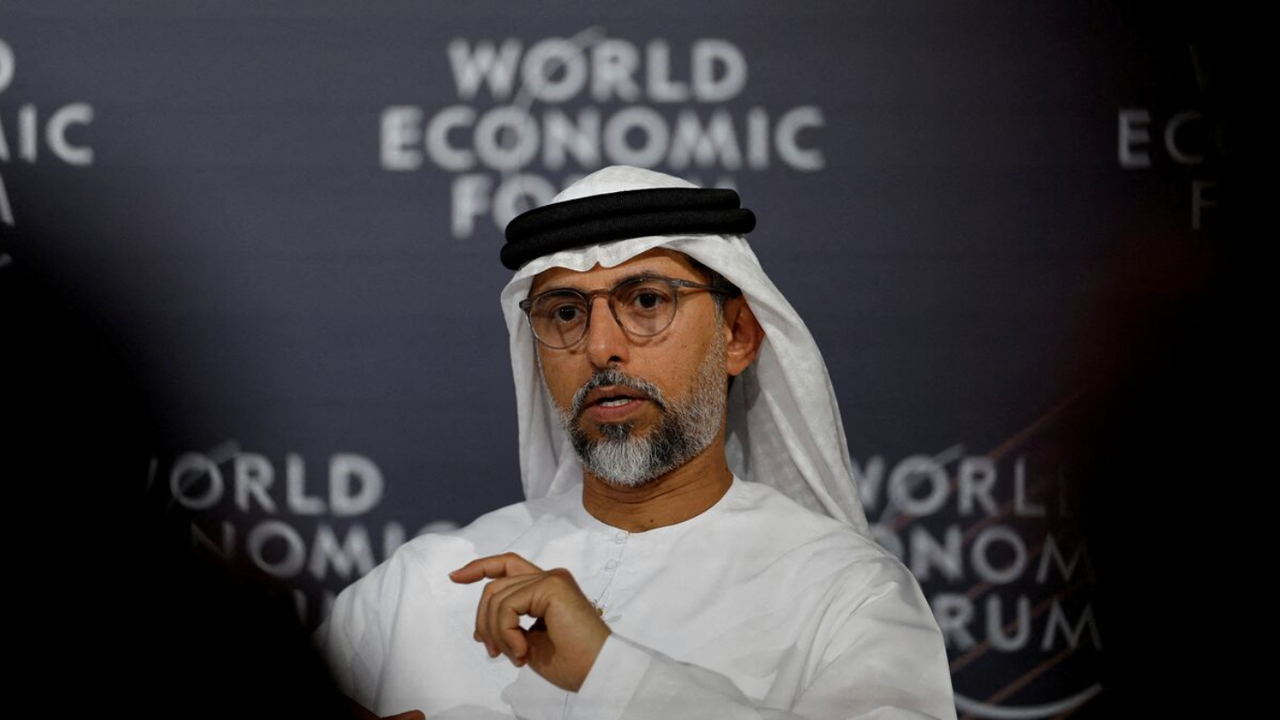
The Gulf state’s departure from the oil cartel reflects a shift towards national priorities and raises questions over supply, pricing and global energy balance
The United Arab Emirates will leave the Organization of the Petroleum Exporting Countries (OPEC) after nearly 60 years of membership. The exit is scheduled for May 2026 and marks a significant shift for one of the group’s key producers.
OPEC, founded in 1960, has 13 member countries and collectively accounts for around 30% of global oil supply. Its role has been to coordinate production quotas to influence prices. The UAE, which joined in 1967, has been producing close to 3 million barrels per day in recent years, placing it among the bloc’s top producers.
The decision to leave reflects a change in strategy. According to reports, the UAE is stepping away “in favour of national interest”, signalling a move towards independent control of its oil output.
UAE Energy Minister Suhail Mohamed al-Mazrouei says in an interview with Reuters that, “This is a policy decision, it has been done after a careful look at current and future policies related to level of production”.
RECOMMENDED FOR YOU

Netanyahu orders sweeping West Bank operation after shooting near Hebron
Why the UAE is stepping away
The UAE has expanded its production capacity to approximately 4 million barrels per day, with plans to increase this further. However, OPEC quotas have limited its ability to produce at full capacity.
This gap between capacity and allowed output has been a key source of tension. Analysts note that remaining within OPEC would continue to restrict the country’s ability to maximise revenue, particularly during periods of high oil prices.
The move also comes at a time of global uncertainty. Oil prices have risen above $100 per barrel amid supply disruptions linked to regional instability. These conditions have strengthened the case for flexibility in production decisions.
Impact on OPEC and global markets
The UAE’s departure reduces OPEC’s combined output and spare capacity. As one of the larger producers, its exit weakens the group’s ability to manage supply through coordinated cuts or increases.
Reports say the move is seen as “a blow to the world’s largest oil cartel”, highlighting concerns about the group’s cohesion. With fewer members adhering to quotas, OPEC’s influence over global prices may decline.
Despite this, the immediate impact may be limited. OPEC and its allies, often referred to as OPEC+, still control a significant share of global supply. Short-term price movements are also being driven by external factors, including geopolitical tensions and disruptions to shipping routes.
A shift towards independent strategy
Outside OPEC, the UAE will be free to adjust production without quota restrictions. This could allow it to increase output beyond current limits and take advantage of favourable market conditions.
The country’s approach aligns with its broader economic plans. Oil remains a major source of revenue, and the ability to produce closer to full capacity could strengthen its fiscal position. At the same time, the UAE continues to invest in diversifying its economy beyond hydrocarbons.
RECOMMENDED FOR YOU

Serbia election 2026: Student-led movement wins parliamentary majority, ending Vučić's grip on power
The decision reflects a wider trend among producers. As global energy markets evolve, countries are increasingly prioritising domestic economic goals over collective agreements.
What this means for the future of the cartel
OPEC’s influence has depended on unity among its members. The UAE’s exit raises questions about whether other countries may reconsider their position, particularly if quota disagreements persist.
The organisation will continue to play a role in global energy markets, but its ability to act as a unified force may face greater challenges. The UAE’s move underscores a shift in the balance between cooperation and competition among oil-producing nations.
This story is written and edited by the Global South World team, you can contact us here.