Uganda’s election in a regional context, lessons from Kenya and Tanzania
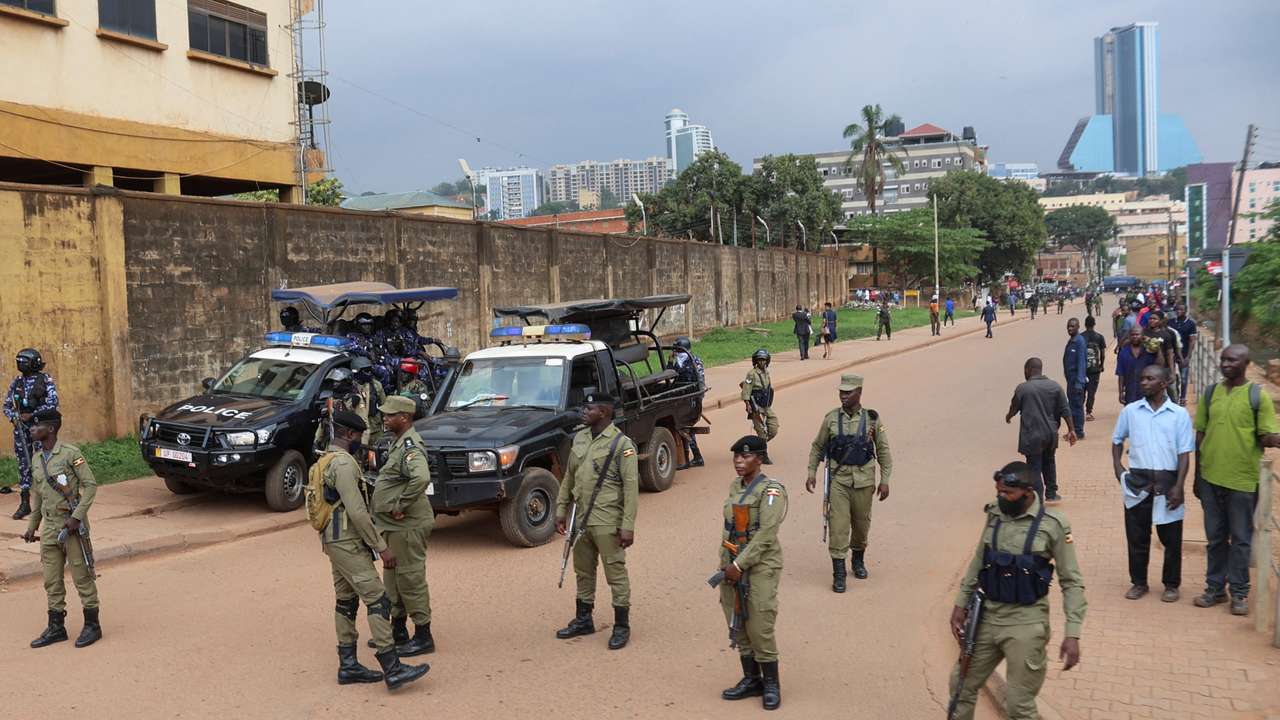
Uganda is heading into its next general election on January 15, 2026, against a backdrop of growing instability across East Africa, where conflict, economic pressure and popular unrest are reforming the nature of politics.
To the west, fighting between Rwanda-backed M23 rebels and the Democratic Republic of Congo’s army continues to destabilise eastern Congo, including violence in Ituri province along Uganda’s border. To the north, South Sudan remains fragile, with persistent political and security tensions. However, the most immediate and relatable regional influence is not war, but unrest closer to home in Kenya and Tanzania.
In both countries, youth-led protests have exposed deep frustration with unaccountable leadership, rising living costs and limited job opportunities. In Kenya, the 2024 - 2025 demonstrations against proposed tax hikes driven largely by Gen Z activists organising on social media left a strong impression across the region. The protests forced President William Ruto’s government to withdraw key parts of a controversial finance bill, showing how quickly economic grievances can turn into mass mobilisation.
After its disputed October 2025 elections, Tanzania’s protests were met with a heavy security response, including arrests, internet restrictions and allegations of excessive use of force. While authorities defended the crackdown as necessary to maintain stability, rights groups warned it damaged public trust and narrowed democratic space.
These regional experiences resonate strongly in Uganda, where many of the same pressures are present. Various Afrobarometer reports have highlighted similar issues in Uganda, including a high spate of corruption amongst public officials and appointees, amongst others. Like Kenya and Tanzania, Uganda is grappling with high food prices, rising public debt and widespread youth unemployment.
RECOMMENDED FOR YOU
Six countries account for three-quarters of Europe’s unicorn startups
At the same time, concerns about political freedoms are growing. Security forces have detained more than 300 supporters and officials from the opposition party of presidential candidate Bobi Wine since campaigning for the January election began, according to his party.
“Over 300 have been detained since the campaigns started,” said Joel Ssenyonyi, spokesperson for Wine’s National Unity Platform. “The regime is in panic. They are resorting to arrests to deter and instil fear in our people.”
Wine, whose real name is Robert Kyagulanyi, is challenging President Yoweri Museveni, now 81, for a second time after finishing runner-up in the disputed 2021 vote.
This story is written and edited by the Global South World team, you can contact us here.