‘Untouchable’ cardinal becomes president of India’s Catholic bishops
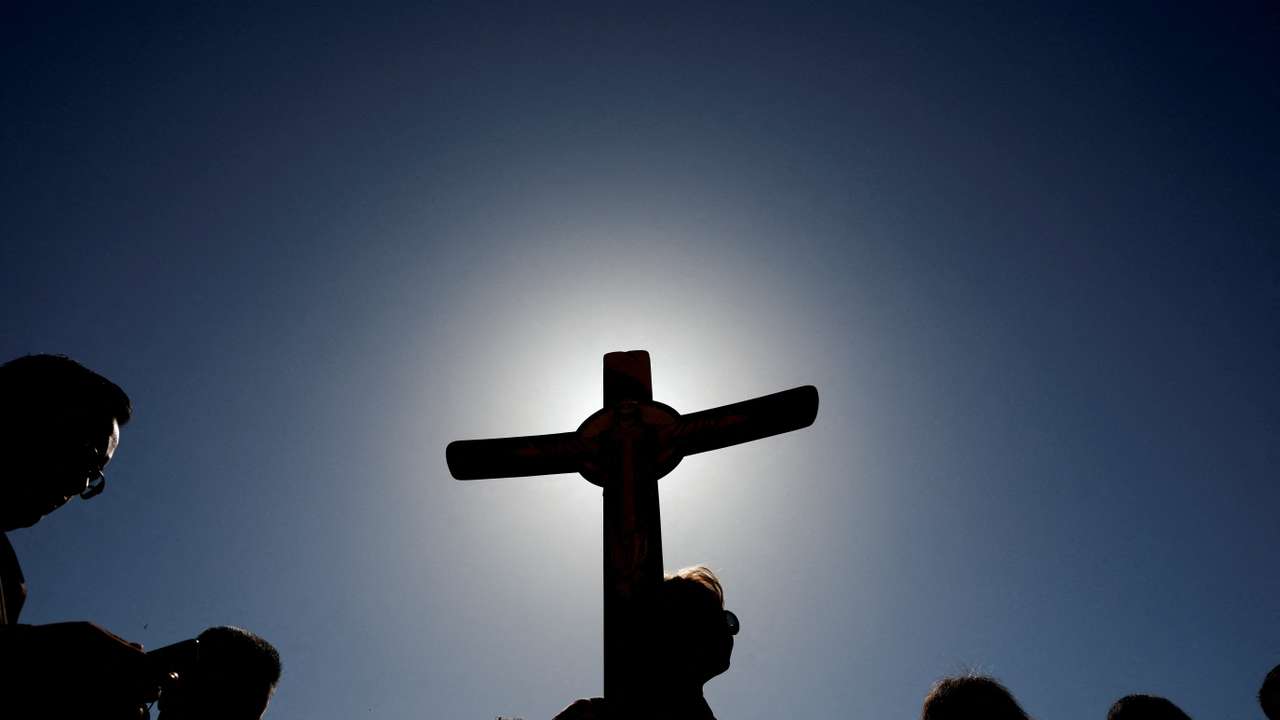
An Indian cardinal from the country’s historically marginalised “untouchable” community has been elected president of the Catholic Bishops’ Conference of India (CBCI), marking a symbolic shift in a Church shaped by caste realities.
Cardinal Anthony Poola, 64, the Archbishop of Hyderabad, becomes the first Dalit to lead the body that represents India’s Catholic hierarchy.
Dalits — formerly labelled “untouchables” under India’s caste system — have long faced entrenched social exclusion despite constitutional safeguards. Thus, Poola’s rise is widely seen as a landmark in a society where caste discrimination, though outlawed, remains deeply rooted.
Poola was elevated to the College of Cardinals by Pope Francis in 2022, becoming the first Dalit cardinal in the Catholic Church. His appointment as CBCI president now places him at the forefront of Catholic engagement with the Indian state.
In his first remarks after the vote, Poola described Church leadership as a form of service grounded in listening and dialogue. He pledged to promote unity among India’s diverse Catholic rites and to foster reconciliation in what he called a period of mounting social tension.
RECOMMENDED FOR YOU

‘Iran could destroy us’ - Netanyahu warns of nuclear threat ahead of Israel election
The bishops used their annual meeting to issue a pointed defence of constitutional freedoms, warning that religious liberty is under strain. They renewed calls for the repeal of anti-conversion laws enacted in several Indian states.
Those laws criminalise religious conversions alleged to involve coercion, fraud or inducement, and in some states require prior official approval before a person changes faith. Christian leaders say the legislation is frequently used to harass clergy and worshippers through false complaints.
Hindu nationalist groups have long accused Christian missionaries of targeting vulnerable communities for conversion — a charge the Church rejects. Rights advocates say accusations have at times been accompanied by mob violence and arrests carried out without due process.
The bishops also highlighted discrimination faced by Dalit Christians, who are excluded from certain state welfare benefits available to Hindu, Sikh and Buddhist Dalits under India’s reservation system. The exclusion has been contested for decades.
Under a 1950 presidential order, only Dalits belonging to specific religions qualify for “Scheduled Caste” status, granting access to quotas in public employment and education. Christian and Muslim Dalits remain ineligible, despite similar social disadvantage.
Christians account for about 2.3% of India’s 1.4 billion people.
With a Dalit cardinal now leading the episcopal conference, the Church has signalled both an internal reckoning with caste and a renewed appeal for equal protections under India’s secular constitution.
RECOMMENDED FOR YOU

Indonesia drops 3.2 tonnes of dry ice to combat wildfire haze
This story is written and edited by the Global South World team, you can contact us here.