UPDF-FARDC rescue of 200 validates Africa's joint military strategy: Opinion
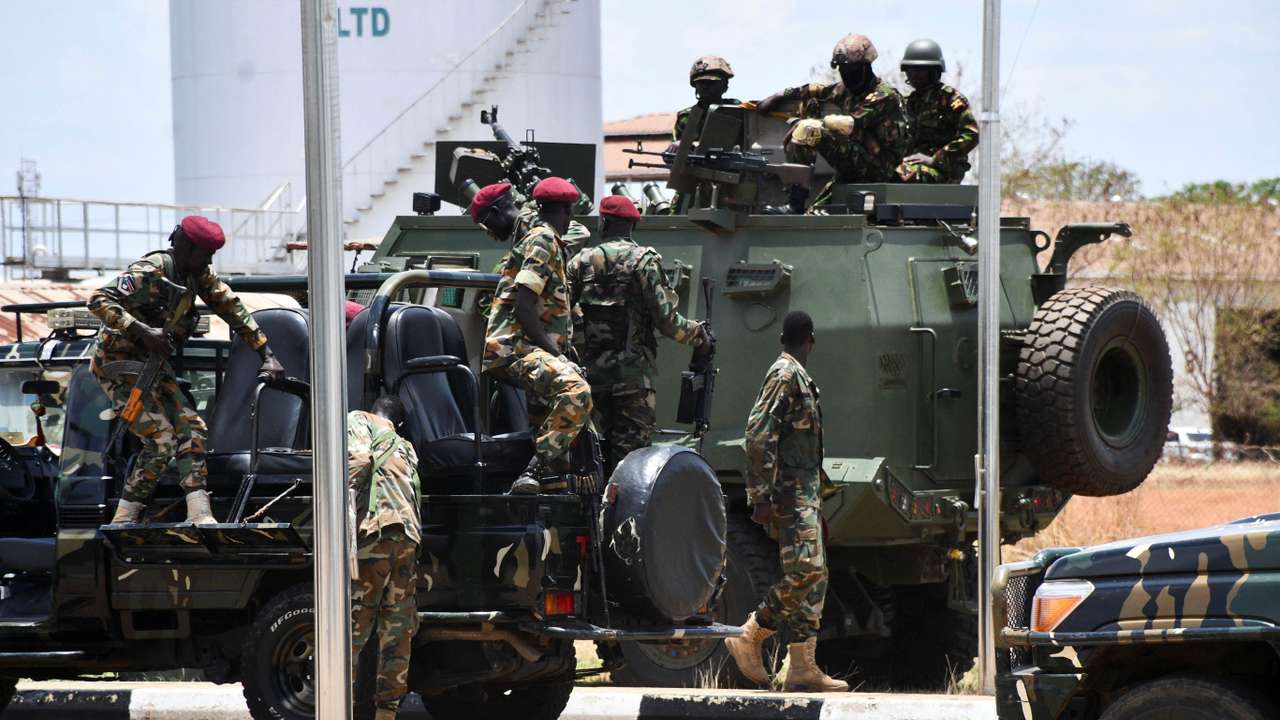
According to a statement issued by the Ugandan army on April 20, a joint operation by the Uganda People’s Defence Forces (UPDF) and Forces armées de la République démocratique du Congo (FARDC) has led to the rescue of about 200 people from the grip of the Allied Democratic Forces (ADF), an ISIL-linked rebel group based in eastern Democratic Republic of Congo (DRC).
The group was founded in 1994 to oppose the Ugandan government for allegedly persecuting Muslims, but it was forced to relocate to the Congo jungles. The ADF has carried out numerous attacks on civilians, including the harrowing 1998 massacre at the Kichwamba Technical Institute in Kabarole District, Uganda that saw 80 students burnt alive and about 100 others abducted.
In Congo, the group has caused immense suffering through its attacks on civilian communities, especially in Ituri and North Kivu provinces, causing many deaths and displacing thousands. One of the most recent incidents is the April 2 attack on Bafwakao village in Mambasa, where ADF killed about 43 Christians during Holy Week.
“Some victims were burnt inside their homes, and others are still in the bush,” reported a member of a civil society organisation, who was worried that the death toll would rise and that more such attacks were highly likely if the government did not intervene.
In 2021, UPDF, in collaboration with FARDC, launched Operation Shujaa, aimed at countering the ADF. The campaign has destroyed the rebels’ camps, captured commanders, and confiscated substantial amounts of weapons and ammunition, degrading the ADF’s capacity to launch attacks on civilians in Congo and Uganda.
RECOMMENDED FOR YOU

Flávio Bolsonaro rejects Brazil election results, seeks annulment of Lula's victory
The recent rescue of civilians underscores the importance of collaboration in combatting terrorism in the East African Community (EAC) and, indeed, the African continent. In DRC’s case, the EAC must prioritise strengthening joint military efforts to offer better coordinated and more potent interventions that will help pacify the country’s rebel-infested eastern region.
The 2022 deployment of the East African Standby Force to contain the M23 insurgency was challenged by human rights concerns and a misalignment between the force’s agenda and the regional bloc’s political processes. The mission was further derailed by poor coordination with other actors like the UN peacekeepers and accusations of Rwandan forces colluding with the M23, culminating in a military withdrawal in 2023.
This exposes the gaps within Africa’s regional frameworks and highlights the need to integrate the continent’s structures and streamline them with people’s realities and needs.
The concept of a united African army, as touted by the late Libyan leader Muammar Gaddafi in 2002, could advance peace efforts in a continent with some of the world’s most persistent conflicts and worst humanitarian crises.
“If we manage to unify all of Africa’s armies in a single army, Africa will have such power,” Gaddafi argued.
But for this to materialise, there must be a deliberate effort to harmonise political processes with defence strategy, manage the continent’s often conflicting national interests, and build sufficient consensus on guaranteeing Africa’s strategic security amid shifting geopolitics that disadvantage the continent.
The article solely represents the views of Simpson Muhwezi, a Ugandan freelance writer and development practitioner.
RECOMMENDED FOR YOU

Brazilians vote in Beijing amid concerns over China ties and social policies
