Venezuela Roundup: Mining reforms, alleged US indictment against Rodriguez, deportations to El Salvador
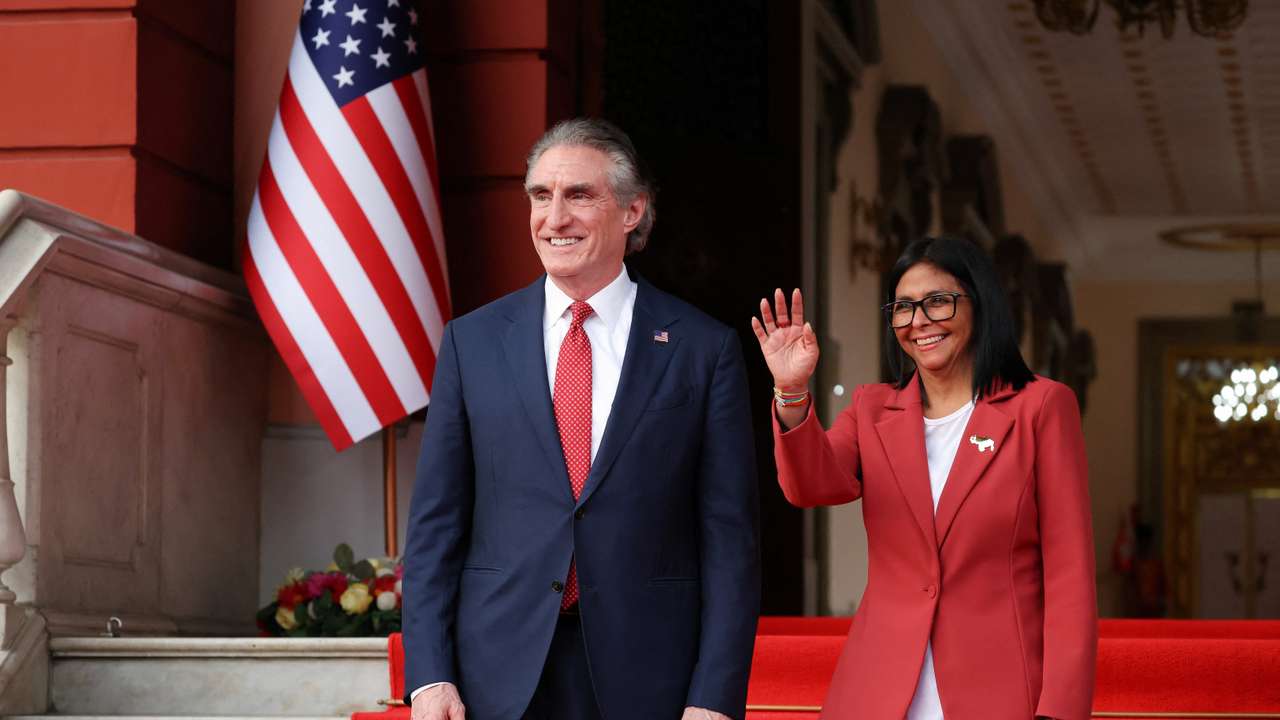
US threatens indictment of Venezuela leader Delcy Rodríguez
The Trump administration is quietly preparing a possible criminal case against Venezuela's interim president, Delcy Rodríguez, including drafting an indictment, as part of efforts to increase U.S. leverage over Caracas, according to four sources familiar with the matter. Prosecutors are considering corruption and money-laundering charges linked to Venezuela’s state oil company PDVSA and have warned Rodríguez she could face prosecution unless she continues cooperating with Washington after the U.S. removal of Nicolás Maduro in January. The draft charges are being developed by the U.S. Attorney’s Office in Miami and have evolved over the past two months, the sources said. The investigation focuses on the alleged laundering of PDVSA funds between 2021 and 2025. Separately, U.S. officials have also presented Rodríguez with a list of at least seven former senior Venezuelan officials and associates they want detained in Venezuela for possible extradition, according to the sources.
Venezuela pledges mining reform as US official visits
U.S. Interior Secretary Doug Burgum met Venezuela’s interim president Delcy Rodríguez in Caracas as the Trump administration seeks to expand oil and mineral production in the South American country. Following the talks, Rodríguez said she would soon submit a proposal to Venezuela’s legislature to reform the country’s mining laws in an effort to attract foreign investment. Burgum said economic cooperation between the United States and Venezuela could grow significantly and noted that he was accompanied by representatives from several U.S. companies interested in accessing the country’s oil and mineral resources. He said investors are eager to begin projects and reduce regulatory barriers that could allow new capital to flow into Venezuela’s energy and mining sectors. The visit comes months after Washington backed the removal of former Venezuelan leader Nicolás Maduro, a move that drew criticism from some international observers.
RECOMMENDED FOR YOU

Six countries account for three-quarters of Europe’s unicorn startups
Freed Argentine officer calls for release of foreign prisoners in Venezuela
Nahuel Gallo, an Argentine military police officer released after 448 days in detention in Venezuela, has urged the international community to push for the release of 24 foreign nationals still held in the Rodeo I prison, a facility widely criticised for its harsh conditions. Speaking at a news conference in Buenos Aires, Gallo said he would not feel truly free until the remaining detainees regain their freedom. Argentina’s Foreign Minister Pablo Quirno, who appeared alongside him, thanked international allies including the United States, Italy and Israel for their support in securing Gallo’s release. Gallo was arrested in December 2024 while travelling to visit family and was accused by Venezuelan authorities of espionage. Venezuela’s government claimed he attempted to enter the country irregularly while concealing his true intentions.
How Venezuelan prisoners smuggled messages from jail
In a small apartment near Caracas, Adriana Briceño holds up what looks like rubbish. Hidden on the back of a chocolate wrapper is a message written by her son to his father, Ángel Godoy, while he was imprisoned in Venezuela’s notorious El Helicoide jail. “Daddy, take this to sweeten things a little. We love you,” the note reads. Originally built in the 1950s as a luxury shopping centre, El Helicoide was never completed and was later turned into a detention centre run by Venezuela’s intelligence services. It became a symbol of repression, with UN investigators documenting cases of arbitrary detention and torture there. Recently released prisoners say they endured beatings, isolation and threats against their families. Hundreds of political detainees have been freed since January, though many remain behind bars, according to rights groups.
Venezuelan was deported to an El Salvador prison over tattoos
In Bogotá’s Bolívar Square, Venezuelan migrant Luis Muñoz Pinto recalled the moment he was deported from the United States to El Salvador’s notorious Cecot mega-prison. The 27-year-old was among more than 250 Venezuelan men deported last March after the Trump administration accused them of links to the Tren de Aragua gang. “I thought my life had ended,” he said, describing the shock and harsh treatment upon arrival. Now free, Muñoz Pinto is among more than 100 deportees a U.S. federal court has said must be allowed to return to the United States for due process. He insists the tattoos on his knees, two roses, were wrongly interpreted as gang symbols. “They are for my younger sisters, who are twins,” he said. “They have nothing to do with gangs.”
RECOMMENDED FOR YOU
Niger appoints new army chief weeks after failed mutiny
This story is written and edited by the Global South World team, you can contact us here.