What Burkina Faso’s visa waiver means
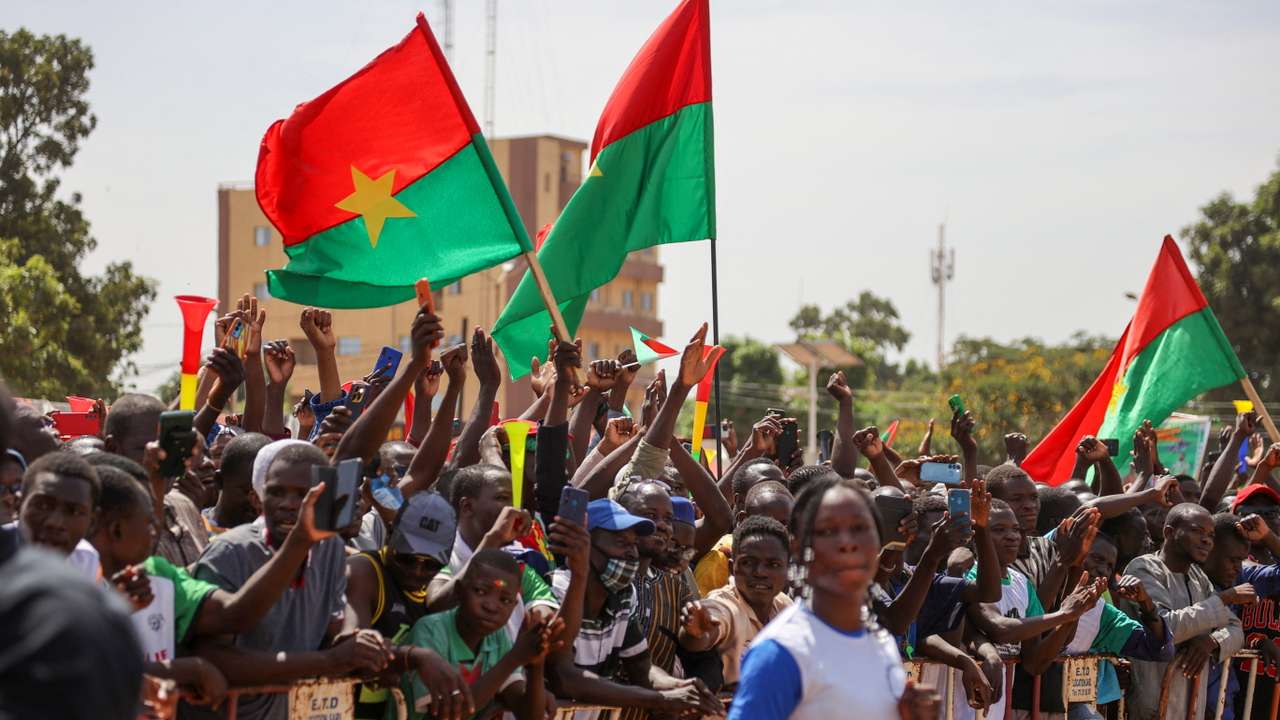
Burkina Faso has removed visa processing fees for citizens of all African countries, a policy adopted in September 2025 as part of a broader effort to promote intra-African mobility.
While the measure is not new, it remains in force and continues to shape how the country positions itself on regional travel and cooperation. African nationals are still required to apply for a visa, but no longer need to pay the associated fees.
Authorities in Ouagadougou framed the decision as a step towards strengthening economic, cultural and people-to-people ties across the continent. The move aligns with Pan-African integration goals championed by the African Union, including the long-term objective of freer movement of people within Africa, even as practical and security-related restrictions remain in place.
Burkina Faso’s policy mirrors similar approaches adopted by other African states seeking to encourage regional tourism and business travel. Countries such as Rwanda, Ghana and Kenya have taken comparable steps in recent years, reducing visa barriers for African travellers in an effort to boost trade and connectivity within the continent.
The visa fee waiver also carries symbolic weight at a time when Burkina Faso is redefining its regional and diplomatic relationships. Despite ongoing security challenges and its withdrawal from ECOWAS, the government has presented the measure as a signal of continued engagement with Africa at large, prioritising continental links over traditional regional blocs.
RECOMMENDED FOR YOU
Six countries account for three-quarters of Europe’s unicorn startups
This story is written and edited by the Global South World team, you can contact us here.