What France’s restitution law means for former colonies seeking their artefacts back
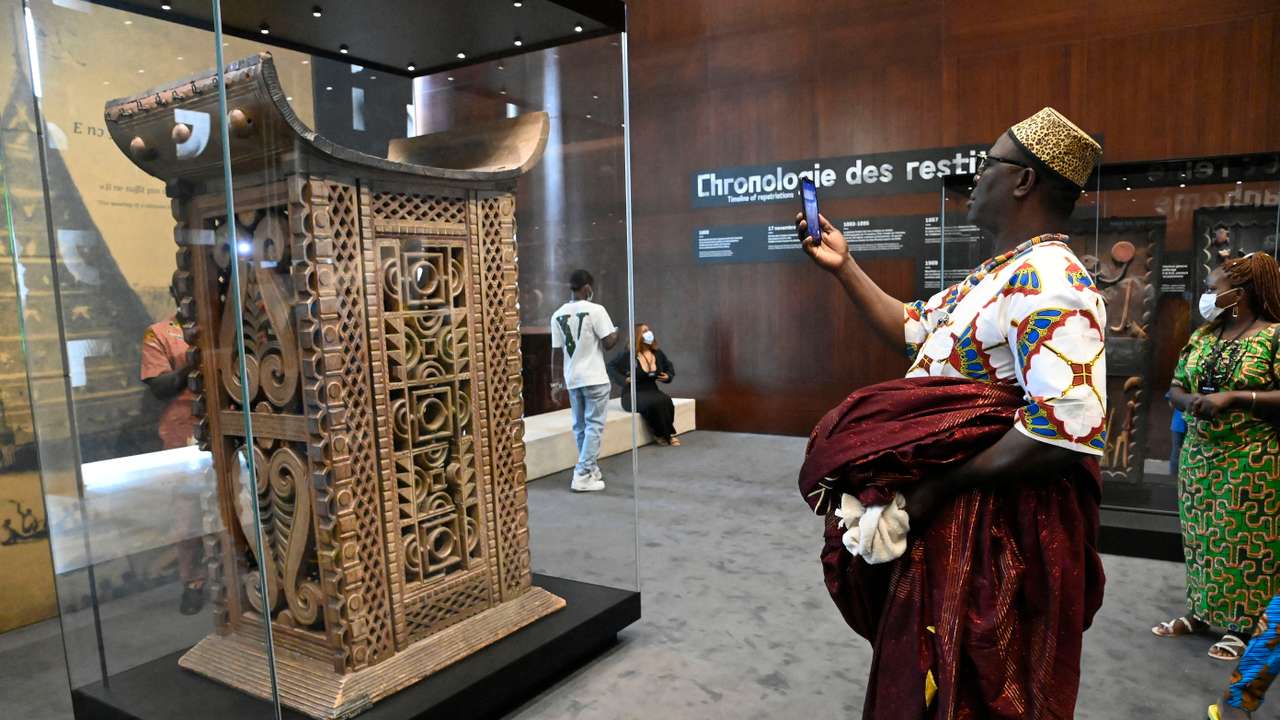
French lawmakers have approved legislation to simplify the return of artworks and cultural objects taken during the country’s colonial era, in a move widely seen as significant for restitution claims from the Global South.
The National Assembly unanimously passed the bill on Monday, following approval by the Senate in January, completing a long-awaited reform aimed at easing the legal process for repatriation, according to reports.
The law targets items acquired between 1815 and 1972, before the adoption of a UNESCO convention governing the protection of cultural heritage. It seeks to address longstanding demands from former colonies—particularly in Africa—for the return of artefacts removed under colonial rule.
Under the new framework, governments requesting the return of artefacts must submit formal applications and demonstrate that the objects were obtained through force or illegitimate means.
Requests will be reviewed by a designated committee, which will assess the evidence before approving restitution. Military objects, public archives and archaeological shares are excluded from the measure.
RECOMMENDED FOR YOU

Brazilians divided over Lula and Bolsonaro ahead of presidential run-off
The reform marks a shift from France’s previous system, which required parliament to approve the return of each individual item—a process widely criticised as slow and restrictive despite growing international pressure.
Return to which countries?
France is estimated to hold tens of thousands of artefacts taken from its former empire. Countries such as Algeria, Mali and Benin have submitted formal requests for their return in recent years, reflecting broader global calls for restitution.
The legislation follows a 2017 pledge by President Emmanuel Macron to facilitate the return of African cultural heritage. Speaking in Burkina Faso at the time, Macron said African heritage should not remain confined to European institutions and promised to create conditions for its return.
Recent actions signal gradual progress. Earlier this year, France returned the Djidji Ayôkwé drum to Ivory Coast, an object taken by colonial troops in 1916.
However, the bill’s scope remains contested. Some lawmakers argued for broader coverage, while others sought tighter limits tied to diplomatic relations. The debate reflects ongoing tensions in France’s reckoning with its colonial past and its relationships with former colonies.
For many former colonies, especially those in the Global South, the new law is expected to lower procedural barriers, but the pace and scale of returns will depend on how the system is implemented in practice.
This story is written and edited by the Global South World team, you can contact us here.
