What's China's hot fashion and tourism changes tell us about its future: Opinion
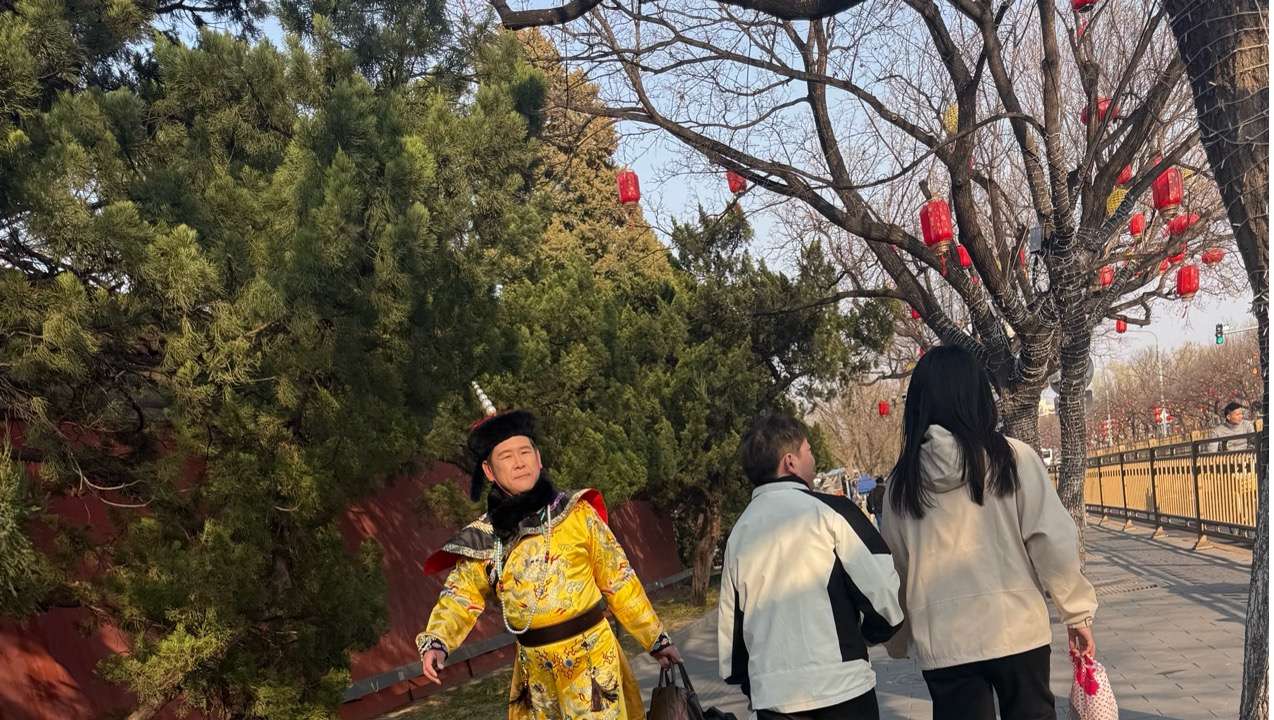
Across China’s major cities, a quiet but unmistakable shift is underway - one expressed not through policy or political rhetoric, but through clothing, leisure, and the rhythms of domestic travel. From the resurgence of traditional dress among young urbanites to the reinvention of heritage sites as immersive cultural experiences, the country is displaying a growing confidence in its own cultural identity.
Nowhere is this more visible than in the revival of hanfu, traditional Han Chinese attire. In Beijing’s historic quarters, among the vermilion walls of imperial palaces and the expansive courtyards of classical gardens, young people are embracing styles rooted in dynastic history. These are not isolated performances staged for tourists, nor purely superficial gestures for social media. The attention to detail - from layered silks and embroidered patterns to carefully styled hair and accessories - reflects a deeper engagement with cultural heritage.
A decade ago, the fashion sensibilities of China’s urban youth often leaned heavily toward Parisian runways or New York streetwear. Today, those reference points are no longer dominant. Instead, a distinctly Chinese aesthetic is emerging, one that draws confidently from a civilisational past spanning millennia. Whether it was the best-selling fridge magnets modelled after Empress Dowager Xiaoduan’s phoenix crown or the operatic vocals layered over trending Douyin beats, the past is now "cool." This shift is not a rejection of global influence, but rather a rebalancing: Western trends are no longer the default benchmark, but one influence among many.
This cultural recalibration is reinforced by the digital ecosystem. Social media platforms and algorithm-driven content have accelerated the popularisation of traditional motifs, turning historical references into contemporary trends. Ancient symbols are reinterpreted through modern formats, from viral short videos to fashion collaborations, creating a feedback loop in which heritage becomes both relevant and desirable.
RECOMMENDED FOR YOU

Uganda Roundup: Besigye detention talks, Karamoja hunger crisis and parliament funding cuts
Time travel in Xi'an
At the same time, China’s tourism industry offers further evidence of this changing mindset. Domestic travel is increasingly centred on rediscovering and reimagining the country’s own historical and cultural assets. In cities like Xi’an, large-scale projects have transformed fragments of the past into immersive experiences. Nighttime districts inspired by the Tang Dynasty blend performance, architecture, and digital spectacle, attracting visitors not only as spectators but as participants in a stylised historical narrative.
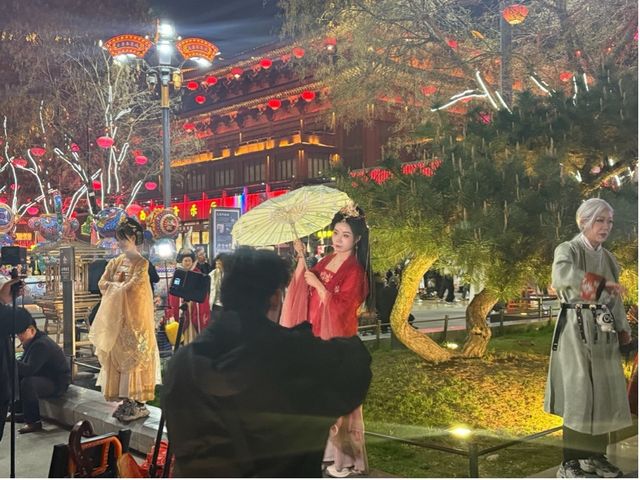
These developments are not without complexity. Such projects often rely on significant investment and are shaped by the logic of the attention economy, raising questions about sustainability and long-term value. Yet their popularity underscores a broader point: there is a strong domestic appetite for cultural experiences rooted in Chinese history, even when mediated through modern technology and commercial frameworks.
Elsewhere, sites like Dujiangyan or the preserved homes of classical poets reveal another dimension of this trend. Here, the emphasis is less on spectacle and more on continuity - on the endurance of philosophical traditions, environmental harmony, and moral ideals. The steady flow of visitors to these locations reflects a renewed interest in the intellectual and ethical foundations of Chinese civilisation, suggesting that cultural confidence is not confined to aesthetics alone.
Confidence not fear
Importantly, this inward turn does not equate to isolation. China’s recent expansion of visa-free entry policies for numerous countries points in the opposite direction. By simplifying access for foreign visitors, the country is signalling openness and a willingness to engage. The ease with which travellers can now enter, navigate, and transact within China challenges outdated perceptions of inaccessibility.
However, this openness coexists with a more self-assured posture. The willingness to welcome outsiders is no longer accompanied by a perceived need to cater to external cultural expectations. Instead, visitors are invited to encounter China on its own terms and engage with a society that is increasingly confident in the value and appeal of its own traditions.
Taken together, these developments suggest a nuanced transformation. China is not closing itself off from the world, but it is preparing for a future in which cultural leadership is more diffuse and less centred on Western paradigms. Fashion, tourism, and everyday cultural practices are becoming vehicles for this transition, expressing a society that is rediscovering its roots while redefining its place in a changing global landscape.
In this context, the resurgence of traditional dress, the reinvention of heritage tourism, and the expansion of visa-free access all point to the same underlying reality: a country that is opening its doors wider, even as it grows more confident in what lies within them.
The article solely represents the views of Yubin Du, a journalist for Chinese broadcaster CGTN, who was based in Washington DC and London between 2012 and 2025.
RECOMMENDED FOR YOU

‘Who will take responsibility?’ - October 7 families confront Netanyahu on Israel election day
