What the EU–Mercosur agreement means for the Global South
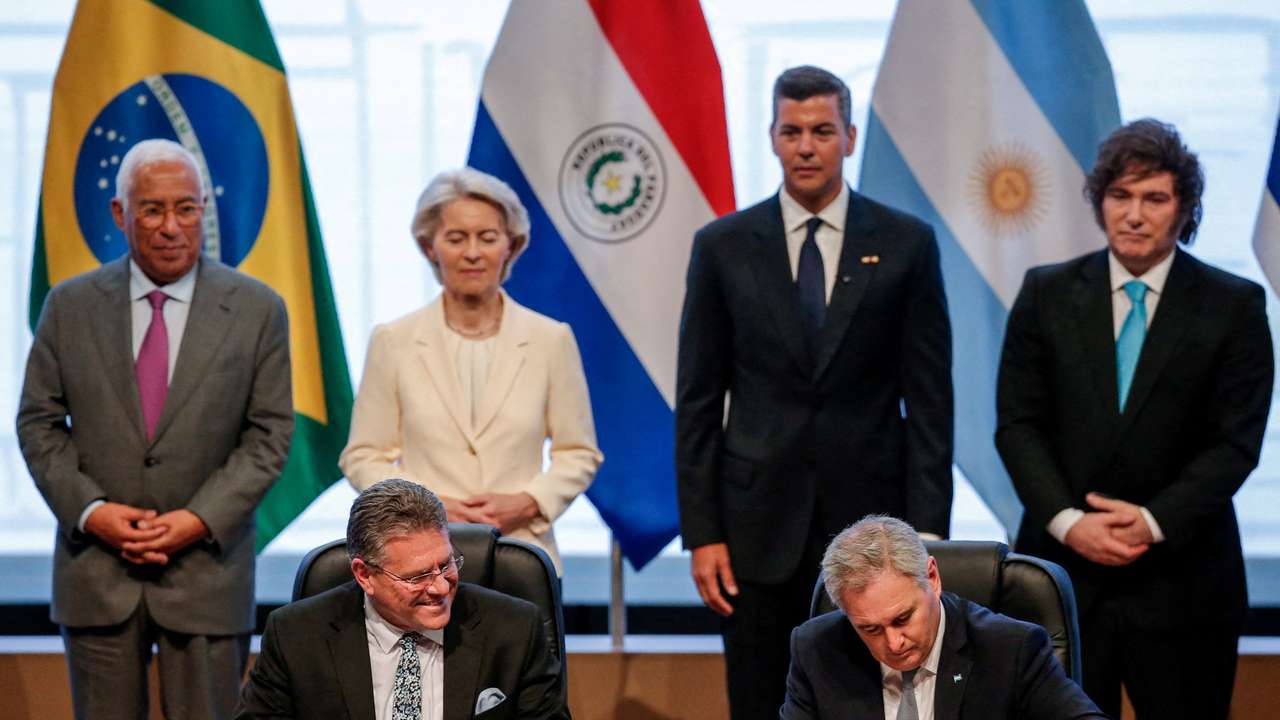
After more than 25 years of negotiations, the European Union and the Mercosur bloc have finalised a trade agreement that goes far beyond bilateral commerce.
Covering a market of over 700 million people across Europe and South America, the deal is increasingly being viewed as a defining moment for the Global South, signalling a shift in how emerging economies engage with traditional Western powers amid a fragmented global order.
For Mercosur members — Argentina, Brazil, Paraguay and Uruguay — the agreement offers expanded access to one of the world’s largest consumer markets. Reduced tariffs on agricultural goods, raw materials and manufactured products are expected to boost exports and attract foreign investment, particularly in sectors where South American economies hold competitive advantages. Supporters argue the deal could strengthen regional supply chains and provide developing economies with greater leverage in global trade negotiations traditionally dominated by the United States and China.
From a broader Global South perspective, the EU–Mercosur pact represents an alternative model of economic integration. Unlike extractive or narrowly strategic partnerships, the agreement includes provisions on labour standards, environmental commitments and regulatory cooperation. While critics question enforcement mechanisms, European officials frame the deal as a template for future agreements with developing regions seeking market access without abandoning multilateral norms.
However, the agreement also exposes long-standing asymmetries between developed and developing economies. Concerns persist that South American industries may struggle to compete with European manufacturers, potentially reinforcing dependency on commodity exports. Civil society groups in Latin America warn that environmental and indigenous protections could be weakened by increased pressure on land use, while European farmers fear intensified competition from lower-cost agricultural imports.
RECOMMENDED FOR YOU
Japan leads housing vacancy ranking as millions of homes remain empty worldwide
As ratification debates unfold on both sides of the Atlantic, the EU–Mercosur agreement is emerging as a test case for the Global South’s role in the evolving world economy. Whether it becomes a catalyst for inclusive growth and diversification — or deepens existing inequalities — will depend not only on trade flows, but on how both blocs balance economic ambition with social, environmental and geopolitical responsibility.
This story is written and edited by the Global South World team, you can contact us here.