What the EU’s new asylum rules mean for migrants and member states
Key Takeaways
- On February 10, 2026, the European Parliament approved reforms to the EU’s asylum procedures under the broader Migration Pact.
- The changes aim to fast-track asylum decisions and make it easier to transfer applicants to countries outside the EU.
- Full implementation is scheduled by June 2026, pending formal adoption by the Council.
- The EU introduced its first common list of “safe countries of origin”, including Bangladesh, Colombia, Egypt, India, Kosovo, Morocco, and Tunisia, as well as EU candidate countries in the Western Balkans.
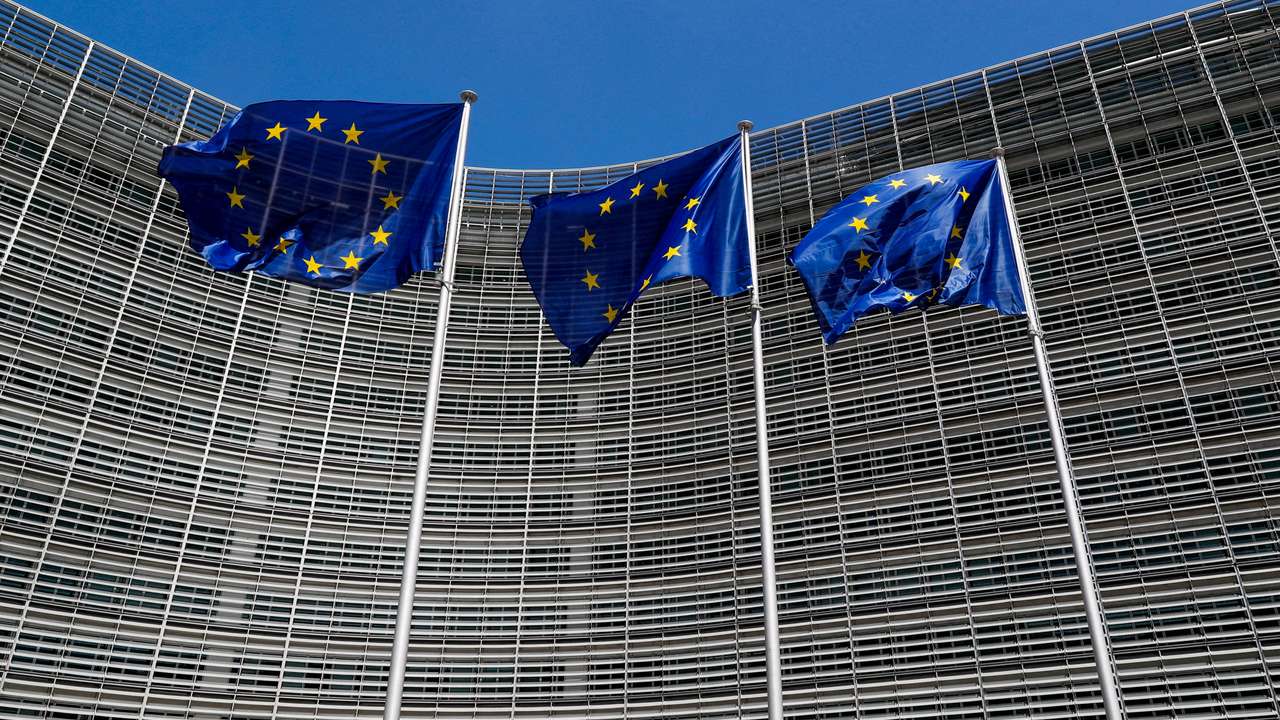
The European Parliament approved changes to the European Union’s asylum procedures. The reforms aim to fast-track asylum decisions and allow member states to transfer applicants to countries outside the EU more easily.
The measures announced on February 10 are part of the broader Migration Pact and are expected to take effect in stages, with full implementation scheduled by June pending formal adoption by the Council.
A common list of 'safe countries of origin'
The EU has introduced its first common list of “safe countries of origin.” The list includes Bangladesh, Colombia, Egypt, India, Kosovo, Morocco, and Tunisia. EU candidate countries, including those in the Western Balkans, are also generally presumed safe.
Under the new rules, asylum applications from individuals coming from these countries will be processed through an accelerated procedure. This is intended to enable faster decisions and quicker rejections of claims considered unfounded.
The burden of proof has also shifted. Instead of the EU demonstrating that a country is unsafe, the individual applicant must now prove they have a “well-founded fear of persecution” or face a risk of serious harm in their specific case.
RECOMMENDED FOR YOU

‘Who will take responsibility?’ - October 7 families confront Netanyahu on Israel election day
A country may be removed from the list if it experiences armed conflict, if its citizens have an asylum recognition rate above 20%, or if it faces sanctions for human rights violations.
Changes to the 'safe third country' rule
The reforms expand the “safe third country” concept, which allows the EU to transfer asylum seekers to countries outside the bloc.
Previously, an applicant was generally required to have a connection to a third country, such as family ties or prior residence, before being transferred there. Under the new rules, this “connection” requirement has been removed. Individuals may now be sent to countries they have never entered, provided there is an agreement between the EU and that country.
This change allows for the possibility of processing asylum claims outside EU borders through arrangements sometimes described as “offshore processing” or “return hubs.” Similar models have been attempted by the United Kingdom and are currently used by Italy in Albania.
Transfers can only take place if the third country agrees to assess the asylum application on its merits and complies with international standards, including the principle of non-refoulement, which prohibits returning a person to a country where they may face danger.
Scope and exemptions
The new framework is designed to reduce what authorities describe as “manifestly unfounded” applications and to ease pressure on member states’ asylum systems.
Unaccompanied minors are exempt from transfer to safe third countries unless they have a direct connection to that country or have transited through it.
Human rights organisations have raised concerns that the changes may disproportionately affect vulnerable groups, including LGBTQ+ individuals and survivors of violence, who may face challenges in proving their need for protection under accelerated procedures.
RECOMMENDED FOR YOU

A wake-up call: The countdown for Latin American democracy — Opinion
Political context
The reforms reflect what many observers describe as a “hardening” of EU migration policy. This shift follows years of rising anti-immigration sentiment and the growth of far-right political parties across several member states.
Supporters argue that the new rules will end “legal limbo” for migrants by delivering quicker decisions, address what they call “abuse” of the asylum system, and create a more “credible and functioning” framework based on shared responsibility among member states.
Concerns raised by critics
Humanitarian organisations, including Amnesty International and Human Rights Watch, have warned of potential risks.
They cite concerns about possible human rights violations, particularly in countries such as Egypt and Tunisia, whose records have been widely scrutinised. Some Members of the European Parliament have also warned that third countries could use migration agreements to “blackmail” the EU in exchange for financial support.
Another concern relates to the removal of the “automatic suspensive effect” on appeals. Critics argue that this change could result in individuals being deported before a court determines whether their transfer was lawful.
The measures will take effect after formal approval by the Council. Most elements are scheduled to be implemented by June 2026, with some provisions, including the safe country lists, potentially coming into force earlier.
This story is written and edited by the Global South World team, you can contact us here.
