What to expect from the Trump-Takaichi meeting
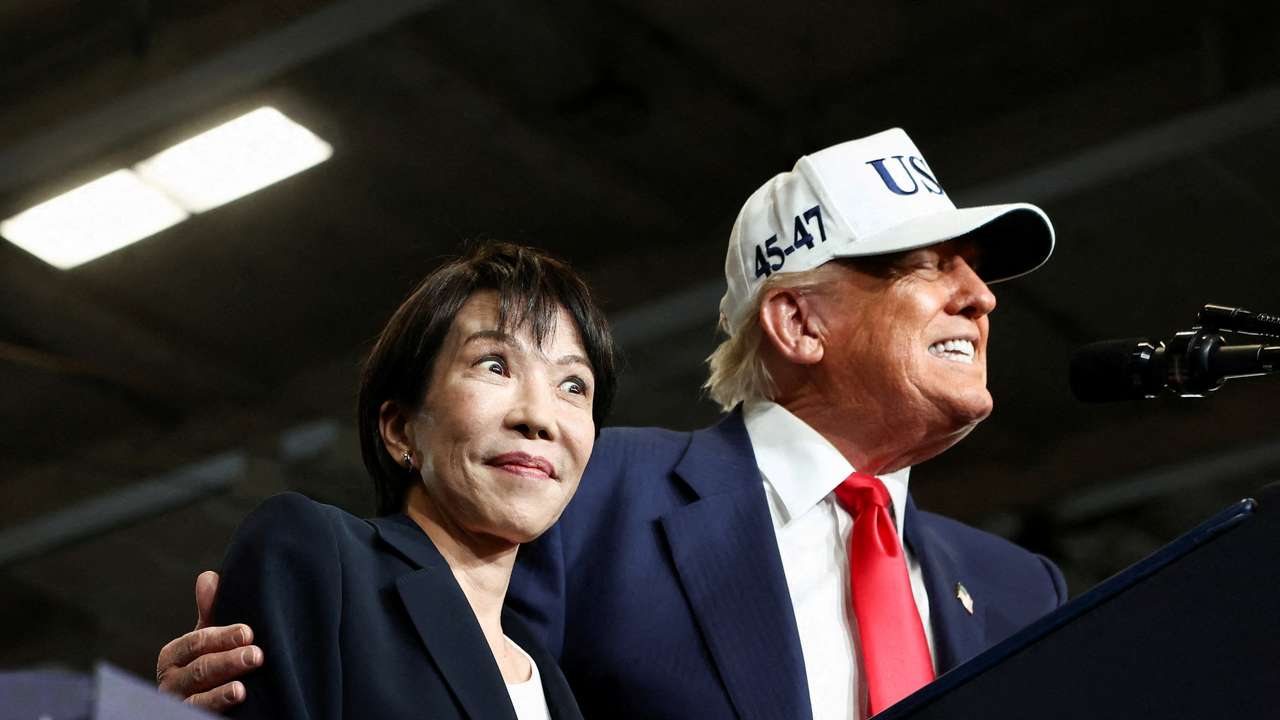
Japanese Prime Minister Sanae Takaichi heads into a high-stakes summit with U.S. President Donald Trump tomorrow, with a meeting initially framed around alliance-building now overtaken by war, energy security and the limits of Japan’s military role.
The talks in Washington are expected to test both leaders — and the durability of the U.S.-Japan alliance — as tensions in the Middle East ripple across global markets and strategic priorities.
Japan is unlikely to send forces to the Strait of Hormuz
At the centre of the meeting is Trump’s push for allies to help secure the Strait of Hormuz, a vital oil route effectively disrupted amid the Iran conflict.
Washington has urged partners, including Japan, to contribute naval assets such as minesweepers to protect shipping. But Tokyo has drawn a firm line. Takaichi has repeatedly signalled that deploying the Self-Defense Forces would be “legally difficult,” constrained by Japan’s pacifist constitution and the risks of engaging in a state-to-state conflict.
This makes direct military involvement highly unlikely, setting up what could be the summit’s most sensitive point of friction.
RECOMMENDED FOR YOU
Six countries account for three-quarters of Europe’s unicorn startups
Takaichi will try to balance alliance pressure with domestic limits
The meeting is widely viewed as a diplomatic test for Takaichi, who must navigate competing pressures: maintaining strong ties with Washington while adhering to legal and political constraints at home.
Public support for involvement in the U.S.-Israeli war against Iran remains low, and any move towards deployment could trigger backlash. Yet Japan’s dependence on Middle Eastern oil — most of which passes through Hormuz — leaves it deeply exposed to prolonged disruption.
Takaichi is expected to clearly outline “what Japan can and cannot do,” seeking to reassure Trump without overstepping constitutional boundaries.
Japan is expected to offer non-military support instead
While ruling out combat roles, Tokyo is likely to propose alternative contributions.
These could include intelligence-sharing, logistical coordination, evacuation support and diplomatic efforts aimed at stabilising the region. Officials have also hinted at possible limited deployments for surveillance or research purposes, particularly after any ceasefire.
Such measures would allow Japan to demonstrate alignment with the U.S. without becoming directly entangled in the conflict.
Broader security and economic cooperation will remain on the agenda
Despite the dominance of the Iran crisis, both sides are expected to advance discussions on other strategic priorities.
These include China’s growing military activity, risks surrounding Taiwan, and North Korea’s weapons programmes. Economic and technological cooperation — from missile defence to energy diversification — is also likely to feature, even as immediate geopolitical tensions take precedence.
RECOMMENDED FOR YOU
Olympic flame arrives on African soil for first time as Senegal begins Dakar 2026 countdown
The alliance will be tested but likely held together
Trump and Takaichi have had warm ties since the latter rose to power in October 2025.
But their summit comes at a volatile moment, with Trump signalling frustration at allies and raising expectations for burden-sharing.
For Takaichi, the challenge will be to show Japan remains a reliable partner while avoiding commitments that could breach its legal framework or inflame domestic opinion.
How both leaders manage these tensions may shape not only Japan’s role in the Middle East crisis, but also the future tone of one of the region’s most important alliances.
This story is written and edited by the Global South World team, you can contact us here.