What we know about Museveni’s seventh-term election win in Uganda: summary
What we know
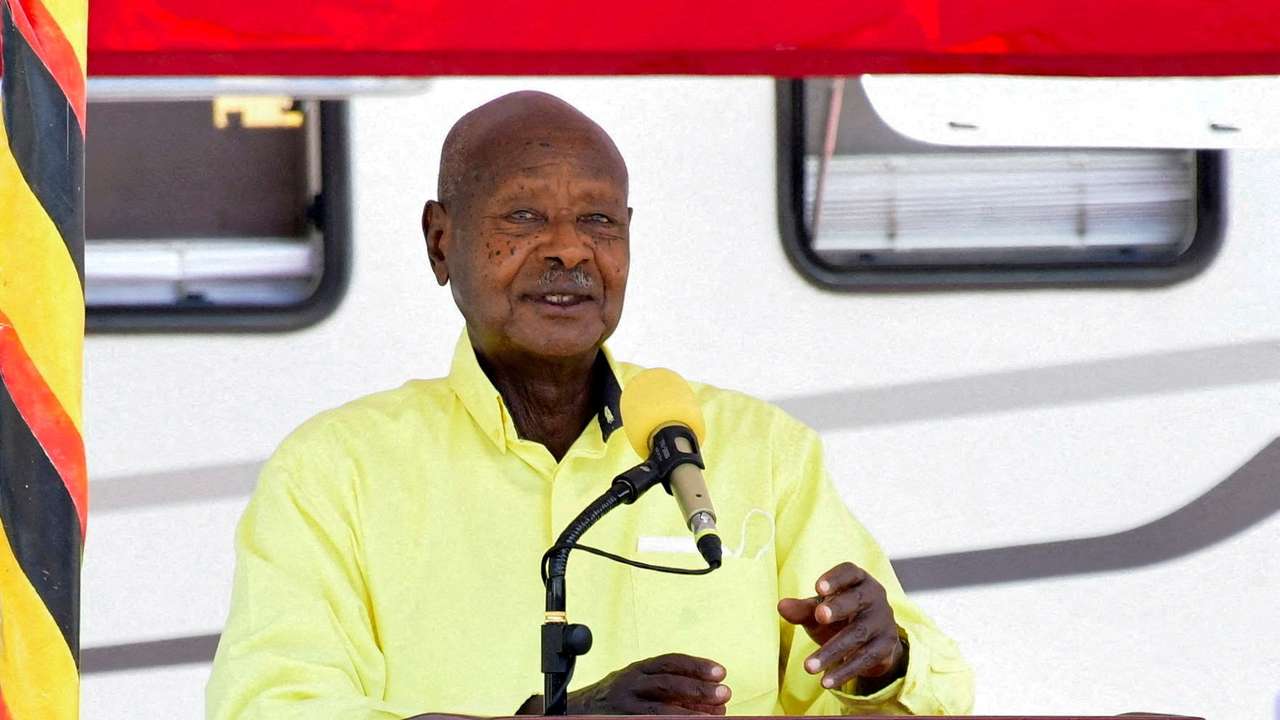
- Uganda’s President Yoweri Museveni has won a seventh term, securing 71.65% of the vote, according to the electoral commission.
- Museveni, 81, defeated opposition leader Bobi Wine, 43, who received 24.72% of the vote. The results were announced on Saturday, January 17.
- The election period was tense, with opposition activities restricted and a nationwide internet shutdown enforced on election day.
- The United Nations said the campaign was marked by “widespread repression and intimidation.”
- Bobi Wine, whose real name is Robert Kyagulanyi, claimed “massive ballot stuffing” on election day and later said he escaped a raid at his home by police and soldiers.
- Wine’s party, the National Unity Platform, rejected the results, calling them “a sham.”
- Police reportedly killed at least 10 people during an incident at an opposition lawmaker’s home in Butambala, although local officials reported seven deaths and accused opposition supporters of attacking a police station.
- African Union and other regional observers said they found no evidence of ballot stuffing but raised concerns about “intimidation, arrest and abductions.”
- Former Nigerian President Goodluck Jonathan, who led the observer mission, said those incidents undermined trust and criticised the internet shutdown for disrupting observation.
- Security remained tight in Kampala, with heavy police deployment to deter protests.
- Museveni has been in power since 1986 and has amended the constitution twice to remove age and term limits.
- His party, the National Resistance Movement, was projected to keep a strong parliamentary majority.
What they said
The United Nations described the election period as being marred by “widespread repression and intimidation.” Bobi Wine claimed “massive ballot stuffing” was taking place and later said, “Currently, I am not at home, although my wife and other family members remain under house arrest. I know that these criminals are looking for me everywhere, and I am trying my best to keep safe.” His party rejected the outcome, calling it “a sham.” Election observers flagged concerns about “intimidation, arrest and abductions,” and Goodluck Jonathan said the incidents undermined confidence in the process, adding the internet shutdown “disrupted effective observation” and “increased suspicion,” even though voting day was described as “peaceful.”
This story is written and edited by the Global South World team, you can contact us here.
