Where mosquitoes are deadlier than people
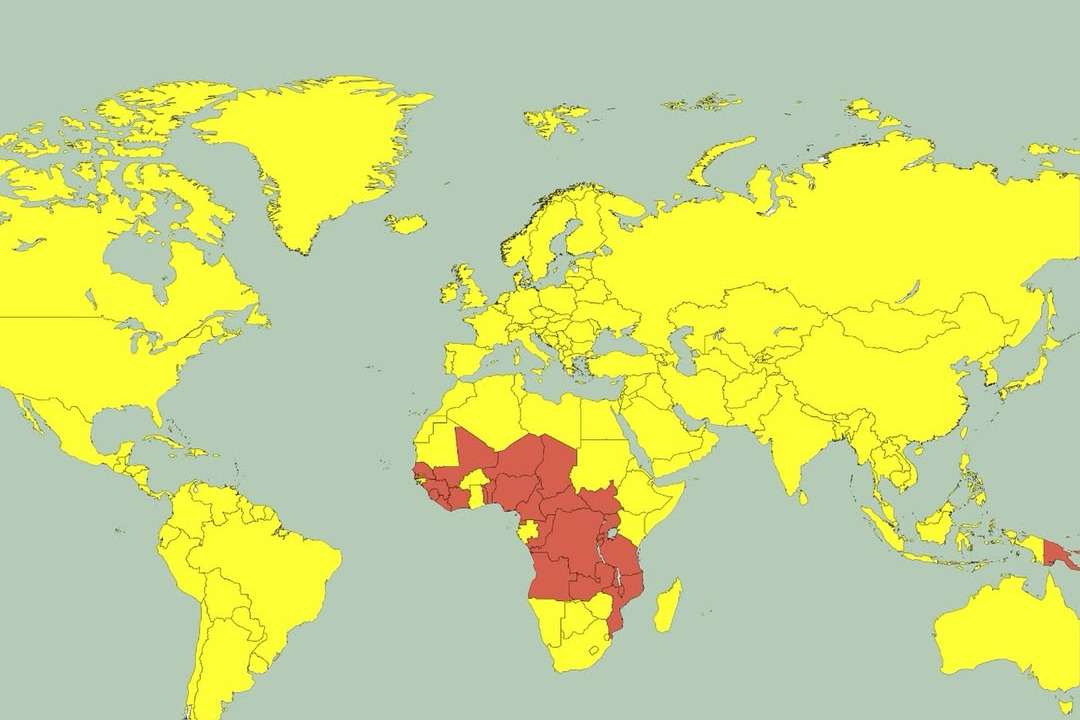
Data from the World Health Organisation (WHO) presented in a map reveals that several countries, particularly across sub-Saharan Africa, face a grim reality of mosquitoes killing more people each year than armed violence and road traffic accidents combined.
The data highlights the persistent and deadly burden of mosquito-borne diseases such as malaria, dengue, and yellow fever, which continue to claim hundreds of thousands of lives annually.
The map, colour-coded to highlight this deadly disparity, shows countries in red where mosquito-borne diseases, especially malaria, are the leading cause of death and surpass both homicides and traffic accidents.
These red zones stretch across much of Central and Western Africa, including Nigeria, the Democratic Republic of Congo, Uganda, and Cameroon. In contrast, countries in yellow indicate that human-related causes remain the top killers.
According to the WHO, malaria alone killed an estimated 619,000 people in 2021, with the vast majority of deaths occurring in Africa. Children under five account for around 80% of malaria deaths in the region, making it not only a public health emergency but also a humanitarian crisis.
Mosquitoes, primarily the female Anopheles species, transmit the Plasmodium parasite, which causes malaria. Other diseases like dengue fever, Zika, chikungunya, and yellow fever also contribute to the mosquito death toll, though malaria remains the most deadly by far.
The WHO, however, has prioritised malaria in its global health agenda, including the rollout of the RTS,S malaria vaccine, which began pilot programmes in Ghana, Kenya, and Malawi. While promising, vaccine supply and logistical challenges mean full implementation remains years away.
Efforts are also being made to innovate mosquito control, from genetically modified mosquitoes to drone-assisted larvicide spraying. However, experts warn that climate change may expand mosquito habitats, increasing the risk in new regions.
This story is written and edited by the Global South World team, you can contact us here.