Where the Iran War-induced fuel crunch hit hardest
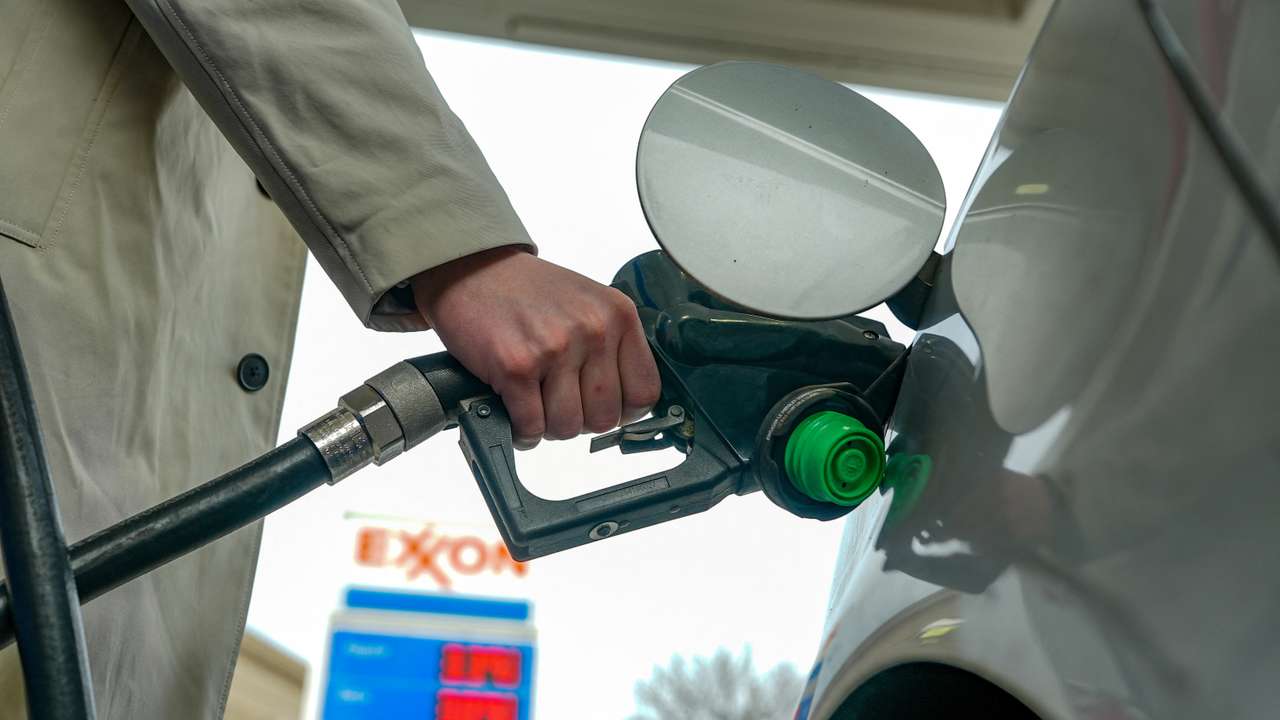
Global fuel prices have begun rising sharply following the outbreak of the Iran War, as markets react to the threat of supply disruptions in one of the world’s most important oil-producing regions.
The conflict intensified after the United States and Israel launched military operations against Iran on February 28. The escalation immediately rattled energy markets because Iran sits along the Strait of Hormuz, the narrow shipping lane through which roughly one-fifth of the world’s oil supply passes each day.
Even the risk of disruptions in that corridor tends to drive up crude prices rapidly. Oil traders fear that attacks on shipping or energy infrastructure could choke off supplies from major exporters such as Saudi Arabia, Iraq, Kuwait and the United Arab Emirates.
Those fears have already pushed crude oil prices sharply higher, with Brent crude briefly hitting $119.50 per barrel and surging as high as $120, its highest level since 2022. The jump in crude has quickly begun feeding through to retail fuel prices worldwide.
According to the latest data from tracker Global Petrol Prices, the average price of gasoline worldwide stood at $1.30 per litre as of March 2 — a week ago and two days after the U.S. and Israel launched operations in Iran.
RECOMMENDED FOR YOU
Gaza rescuers search rubble after Al-Saada collapse kills more than 20
Diesel was slightly cheaper at $1.26 per litre, while LPG averaged $0.78 per litre.
“As a general rule, richer countries have higher prices while poorer countries and the countries that produce and export oil have significantly lower prices,” the online portal said. “One notable exception is the U.S., which is an economically advanced country but has low gas prices.”
Iran itself sells some of the cheapest fuel in the world, with gasoline priced at $0.029 per litre and diesel at $0.006 per litre, reflecting heavy domestic subsidies.
At the other end of the spectrum, Hong Kong recorded the world’s highest gasoline prices, at $3.881 per litre, and diesel at $3.827 per litre as of March 2.
Since then, those prices have already moved higher. According to local media reports and advisories from Shell, gasoline prices in Hong Kong rose to $4.14 per litre, a 6.67% increase, while diesel climbed to $3.95 per litre, up 3.21%.
Meanwhile, Malawi, which sells the most expensive fuel in Africa, also recorded price jumps. Last week, gasoline was sold at $2.847 per litre and diesel at $2.858 per litre.
It remains unclear whether regulators will impose another hike. Malawi had already approved a more than 40% increase in January, when diesel prices rose 41.3% and petrol prices 41.9%.
In the United States, the average gasoline price reached $3.48 per gallon, according to the AAA motor club. That represents nearly a 17% increase since the first U.S.–Israeli attacks on Iran on February 28, pushing prices to their highest level since 2024.
RECOMMENDED FOR YOU

Indonesia Earthquake: Injured victims airlifted from Flores
In China, the government raised retail price caps for gasoline and diesel in the largest adjustment since March 2022, after international oil prices surged following the conflict.
According to a notice from the National Development and Reform Commission, retail price caps for gasoline and diesel will rise by $100.46 and $96.84, respectively, starting Tuesday. The previous adjustment was made on February 24.
Across parts of the Global South, retail prices have also begun climbing rapidly.
Here are some examples of how gasoline and diesel prices moved over the past week:
- Philippines - Gasoline to $1.15 from $0.930; Diesel to $1.43 from $1.037
- Vietnam - Gasoline to $1.03 from $0.792; Diesel to $1.14 from $0.743
- Turkey - Gasoline to $1.385 from $1.328; Diesel to $1.59 from $1.374
- Zimbabwe - Gasoline to $1.71 from $1.56; Diesel to $1.77 from $1.52.
Fuel price movements, however, do not occur simultaneously across countries. Some governments regulate pump prices and adjust them on fixed schedules — weekly, monthly or after major market shifts — while others allow prices to fluctuate more freely with global oil markets.
Why the Iran war matters for global fuel prices
Oil prices are highly sensitive to geopolitical risk in the Middle East because the region holds nearly half of the world’s proven oil reserves.
Iran is both a major producer and a strategic player in the Persian Gulf. Any military escalation involving the country raises fears of supply disruptions — whether through attacks on oil facilities, sanctions, or shipping disruptions in the Strait of Hormuz.
Because crude oil is the main input in gasoline and diesel production, increases in global oil prices typically feed through to retail fuel prices within days or weeks, depending on national pricing systems and taxes.
RECOMMENDED FOR YOU

‘We will rescue Brazil’ - Flavio Bolsonaro targets Lula at Recife rally
Countries that rely heavily on imported fuel — particularly in Africa, Asia and Latin America — are often the most exposed to these shocks.
For developing countries that depend heavily on imported fuel, the Iran war could translate into higher food prices, increased transport costs and mounting pressure on government budgets in the weeks ahead.
This story is written and edited by the Global South World team, you can contact us here.