Who is Ali Larijani, and what would his death mean for the Iran war?
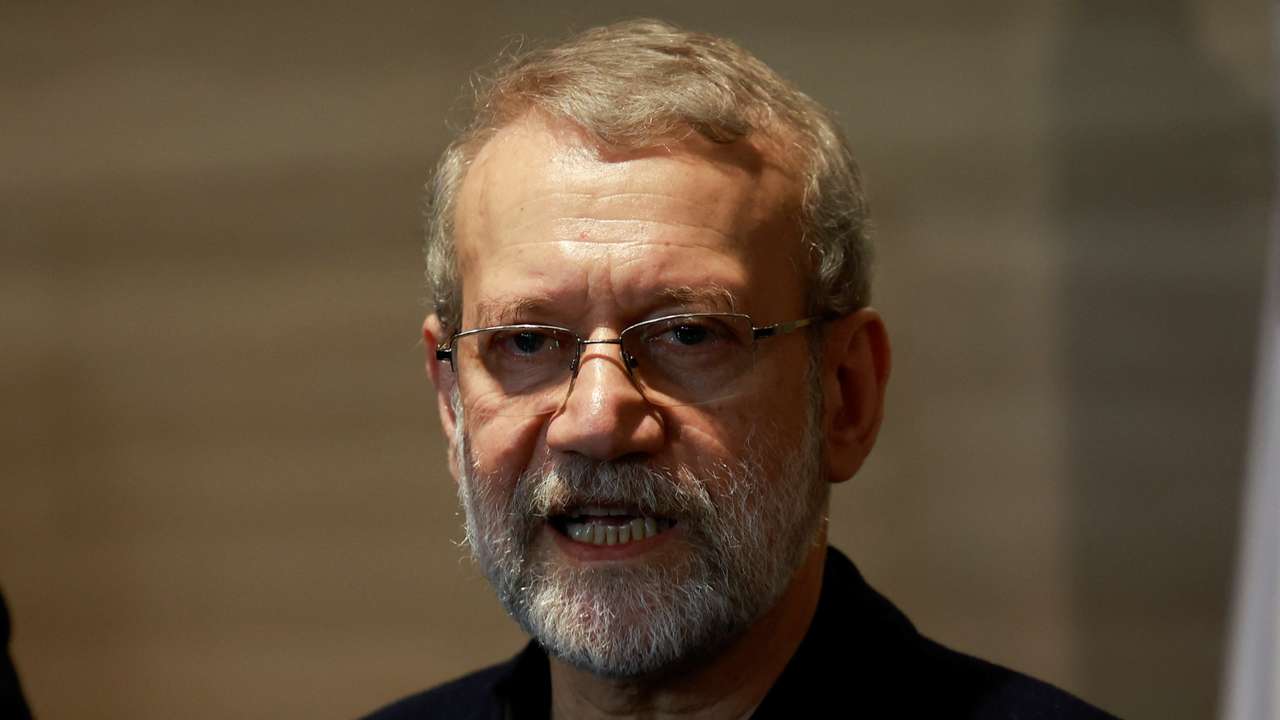
Ali Larijani, Iran’s top security official, had emerged as a central figure in Tehran’s response to its war with the United States and Israel before Israel claimed he was killed in a strike.
If confirmed, his death would mark one of the most significant losses for Iran’s leadership since the opening attacks that also killed Supreme Leader Ayatollah Ali Khamenei.
For years, Larijani was seen as a steady and pragmatic figure within Iran’s political system. He helped shape major decisions at home and abroad, including backing the 2015 nuclear deal with world powers. With a background in mathematics and philosophy, and experience across government, parliament and security roles, he built a reputation for balancing ideology with practical decision-making.
That image shifted as the conflict escalated. After the strikes on Iran’s leadership, Larijani quickly stepped forward as one of the most senior remaining officials, helping steer the country through a moment of crisis. His tone became more forceful, mirroring Iran’s broader shift.
He ruled out talks with Washington, saying Iran would “not negotiate” with the United States, and warned of retaliation. In some of his strongest remarks, he said the attacks had “set the heart of the Iranian nation ablaze” and vowed that Iran would make its enemies “regret their actions”. He also warned that any bases used by US forces could become targets.
RECOMMENDED FOR YOU
Senegal welcomes Youth Olympic flame ahead of Dakar 2026
Larijani came from a powerful political family and held senior roles for decades, including as speaker of parliament. While he was not a candidate to become supreme leader, he was widely seen as a trusted figure capable of helping hold the system together during uncertainty.
In one of his remarks after the war broke out, Larijani said: “Americans should know that we will not leave them. You have left a pain in our hearts. We won't leave you. You must accept that you no longer have the right to violate Iran. Accept that you have been insolent.”
Larijani was last seen in public on March 13 during Quds Day rallies attended by Iranian President Masoud Pezeshkian.
While Iran has yet to confirm his death, Israel has said it will “continue hunting down” Iran’s leadership, signalling no let-up in the conflict as the war enters its third week.
This story is written and edited by the Global South World team, you can contact us here.