Who was El Mencho and how powerful was he?
Key Takeaways
The Mexican Army has killed Nemesio Oseguera Cervantes, known as El Mencho, leader of the powerful Jalisco New Generation Cartel. His death during a February 22 operation triggered violent reprisals across multiple states. While officials hail a breakthrough, analysts warn cartel infighting could fuel further instability and bloodshed.
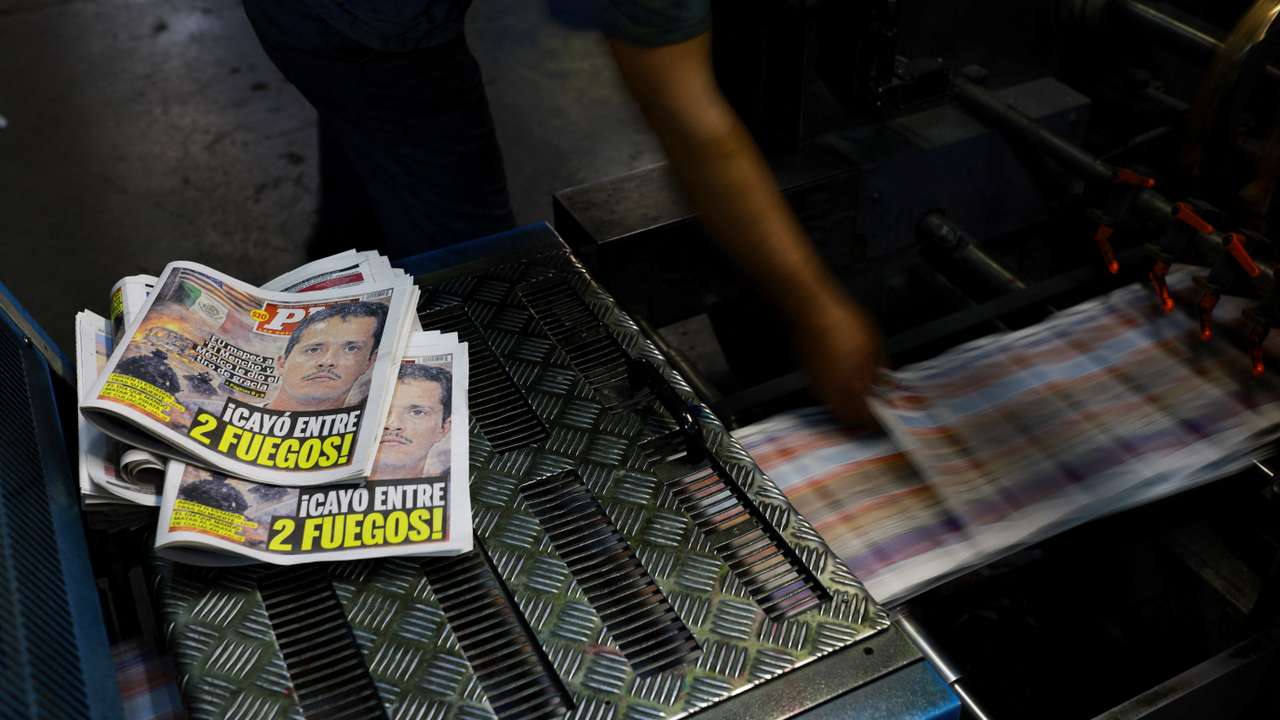
His death has triggered violent reprisals and renewed scrutiny of Mexico’s fight against organised crime.
The killing of Nemesio Rubén Oseguera Cervantes, better known as El Mencho, has marked a dramatic moment in Mexico’s long battle against drug cartels. He was the leader of the Jalisco New Generation Cartel (CJNG), one of the country’s most powerful and violent criminal organisations, responsible for trafficking vast quantities of fentanyl, cocaine and methamphetamine into the United States and beyond.
On 22 February 2026, the Mexican Army killed El Mencho during a security operation in Tapalpa, Jalisco, after a firefight that left him wounded and later dead. Intelligence support from the United States played a key role in locating him.
President Claudia Sheinbaum welcomed the result as evidence of strengthened Mexican capacity to take on organised crime without direct U.S. military involvement. Yet the operation did not proceed quietly. Violent reprisals by CJNG members spread across at least 20 Mexican states, with roadblocks, burning vehicles, explosions and shootings reported soon after news of his death. Authorities reported multiple deaths, including soldiers and civilians, while air travel and public services were disrupted in several cities.
El Mencho’s rise and notoriety
Born in 1966 in Michoacán, El Mencho rose from humble beginnings to become the head of CJNG, a cartel known for its ruthlessness and sophisticated trafficking networks. The group used speedboats, submarines and other unconventional methods to move drugs from Latin America towards the U.S. border. Its tactics included extreme violence and the use of drone-mounted explosives, making it one of the most feared criminal organisations in the region.
RECOMMENDED FOR YOU

Can Indonesia be Asia’s next EV powerhouse?
Despite his notoriety, El Mencho also cultivated local support in some areas, where he and his associates funded fiestas and provided community assistance. However, those actions did little to mask the cartel’s brutal reputation, which included reports of alleged execution sites and intimidation of rivals.
Immediate fallout and deeper concerns
The post-operation backlash was swift and violent. CJNG gunmen reportedly attacked infrastructure, blocked highways and engaged security forces in pitched battles. Schools were closed in several states, and citizens were advised to remain indoors. In some regions, public transport was suspended, and flights were cancelled due to safety concerns.
Security analysts warn that the death of a cartel leader does not necessarily weaken an organisation in the long term. Instead, it can prompt fractures and internal power struggles as ambitious lieutenants vie for control.
“[These] are the way a criminal order responds when it feels challenged. To understand them, you have to look at the meaning behind them, not just the fires or the territory,” security analyst Edgar Guerra wrote on X.
Without a clear successor, CJNG could become even more volatile, leading to further violence and instability.
Regional and international impact
The operation underscores ongoing cooperation between Mexico and the United States, particularly given the role of shared intelligence. U.S. officials had offered up to US$15 million for information that would lead to El Mencho’s capture, reflecting the cartel’s significant reach and the global scale of the drugs trade.
Yet experts stress that removing one individual, even one as powerful as El Mencho, is not a panacea. Cartels have deep roots, extensive networks and the capacity to regenerate leadership. As rival factions compete for CJNG’s territory and profit streams, violence may escalate further.
This story is written and edited by the Global South World team, you can contact us here.