Why China is pushing hard to seal a South China Sea code of conduct
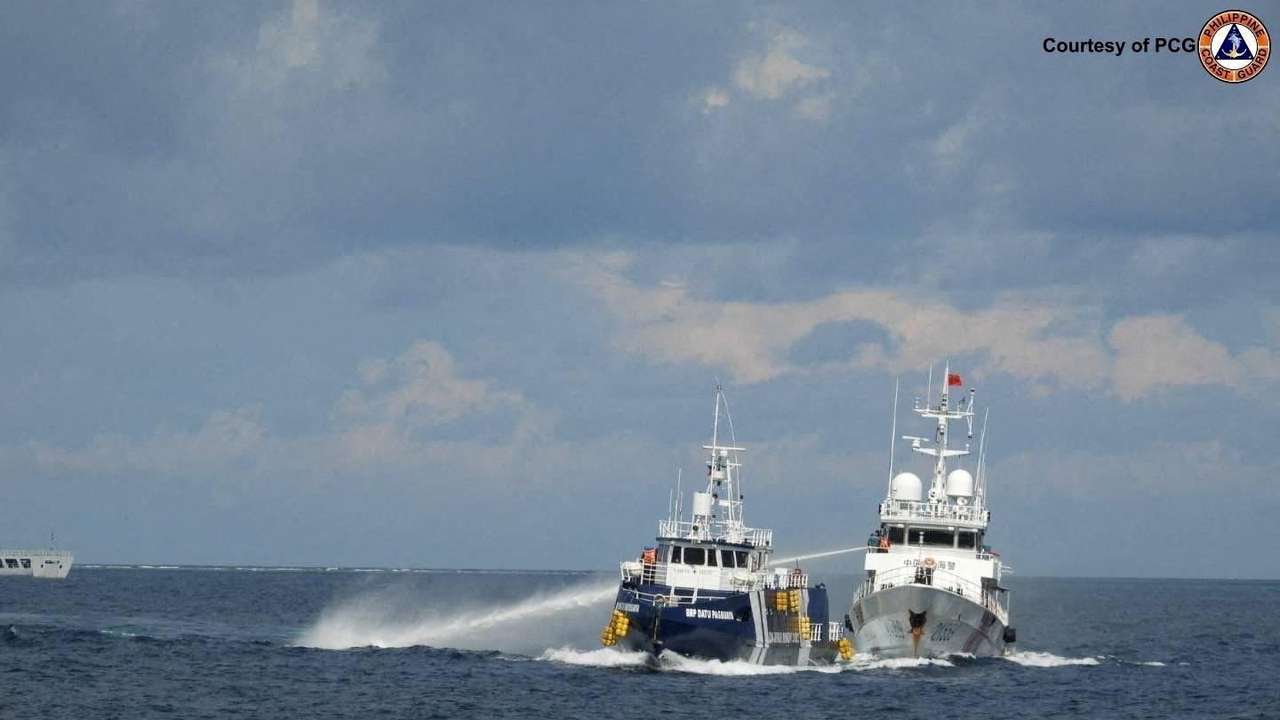
China is moving to hasten negotiations on a long-delayed Code of Conduct (COC) for the South China Sea, pressing Southeast Asian nations to conclude talks that have dragged on for years despite repeated diplomatic pledges to ensure peace in the disputed waters.
Beijing is pinning its hopes on the Philippines, which chairs the Association of Southeast Asian Nations (ASEAN) this year, to deliver what China has long sought: a binding regional framework that would regulate behaviour in one of the world’s most strategically vital sea lanes.
“Both sides hope to accelerate negotiations on the (COC) in the South China Sea,” Chinese Ambassador to Manila Jing Quan said this week, adding that consultations were becoming “more frequent and more intensive” as talks gain momentum under the Philippines’ watch.
Negotiations for the code formally began only in 2018 — sixteen years after China and ASEAN signed a non-binding declaration committing to a future code — while tensions at sea have steadily worsened.
For claimant states such as the Philippines, Vietnam and Malaysia, the slow pace has carried real costs.
RECOMMENDED FOR YOU

Indebted Argentines march in Buenos Aires over rising household debt
The 2002 declaration failed to prevent China from consolidating control over contested features, including the 2012 standoff at Ayungin (Second Thomas) Shoal, which sharply escalated bilateral tensions with Manila.
The Philippines responded by taking China to international arbitration in 2013, culminating in a 2016 ruling that invalidated Beijing’s sweeping maritime claims and affirmed Manila’s sovereign rights within its exclusive economic zone. China has rejected the ruling outright and continues to operate as if it does not exist.
Why does China want a COC?
Against this backdrop, China’s eagerness to finalise a COC raises a central question: why now?
China now exercises full control over many of the islands and de facto control over Scarborough Shoal, while its artificial islands in the Spratlys are equipped with airstrips, ports and military infrastructure that no other claimant can match.
A 2021 study by the Stockton Center for International Law argued that, having completed these projects, China has “nothing to lose and everything to gain” from a binding code that would freeze the status quo.
Provisions reportedly pushed by Beijing would do just that. Restrictions on future land reclamation or military upgrades would prevent other claimants from responding to China’s extensive build-up, effectively cementing an imbalance created unilaterally over the past decade.
Considering this, the study suggested that “ASEAN should insist that China demilitarize its SCS outposts and remediate the damage to the marine environment caused by its reclamation activities.”
Nearly one-third of global maritime commerce transits the South China Sea each year, including trillions of dollars’ worth of goods and energy supplies. For ASEAN states, any agreement that curtails lawful economic or security partnerships carries consequences far beyond diplomacy.
RECOMMENDED FOR YOU

Prison riot sparks inmate escape in Colombia's Popayan
China’s push for a code of conduct, then, is not simply about managing disputes.
It is about formalising a strategic reality Beijing has already created — using a multilateral framework to legitimise dominance while constraining the choices of its neighbours, even as tensions on the water remain unresolved.
This story is written and edited by the Global South World team, you can contact us here.