Why ‘dog weddings’ have become a booming industry in China
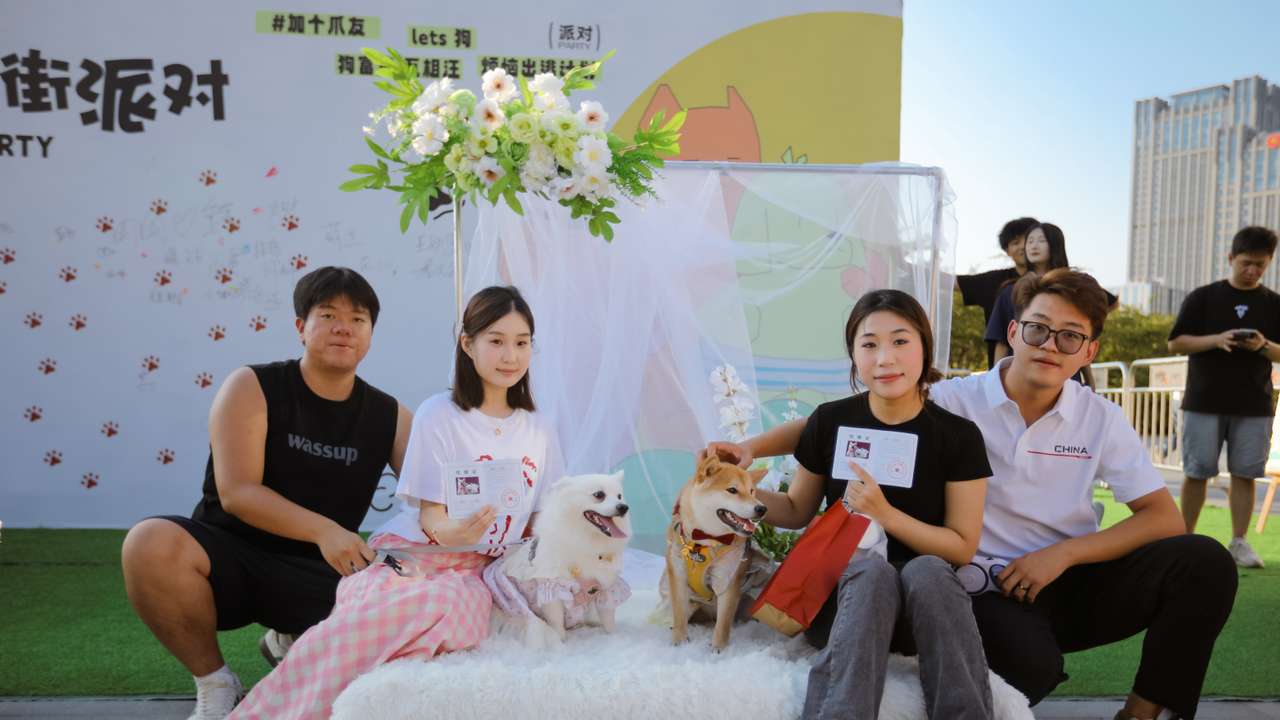
Dog weddings are emerging as a fast-growing niche in China’s urban pet economy, reflecting shifting social attitudes and a surge in spending on pets as family members rather than companions.
Across major cities, pet owners are increasingly paying for wedding-style ceremonies, birthday parties and themed events for their dogs, complete with venues, photography, custom outfits and guest lists.
What began as novelty celebrations has evolved into a structured business involving event planners, designers and pet brands.
Industry data show the scale, and perhaps the rationale, behind the trend.
China’s urban pet population reached about 120 million in 2024, while spending on dogs and cats exceeded 300 billion yuan ($43 billion), according to the China Pet Industry White Paper. Younger consumers are driving growth, with people born after the 1990s and 2000s making up a large share of pet owners.
RECOMMENDED FOR YOU
Six countries account for three-quarters of Europe’s unicorn startups
Specialist companies have moved quickly to monetise the demand. Firms now offer curated “pet lifestyle” services, from runway shows and outdoor sporting events to ceremonial weddings that replicate human rituals, appealing to owners seeking emotional expression and social connection.
For many Chinese nationals, dog weddings sit at the intersection of consumption and identity. Among urban residents, particularly those living alone or without children, pets have become central emotional anchors, and formalised celebrations provide a sense of meaning and belonging.
More pets than kids
The trend also mirrors broader demographic change. China’s urban pet population has already surpassed the number of children under four, as marriage and birth rates decline and households shrink.
Sociologists describe the phenomenon as part of a wider “symbolic economy," in which consumption is used to express values and relationships rather than meet practical needs. Pets, once functional animals, have become emotional symbols in city life.
However, there have been criticisms that such ceremonies are excessive, but supporters see them as an innocuous response to modern pressures, offering new forms of social interaction in increasingly fragmented urban communities.
With millions of pet-related businesses now registered nationwide and new firms entering the market each year, industry watchers expect pet events to remain a growth area in China’s expanding lifestyle economy.
This story is written and edited by the Global South World team, you can contact us here.