Why everyone on TikTok says they’re in a ‘very Chinese time’ of their lives
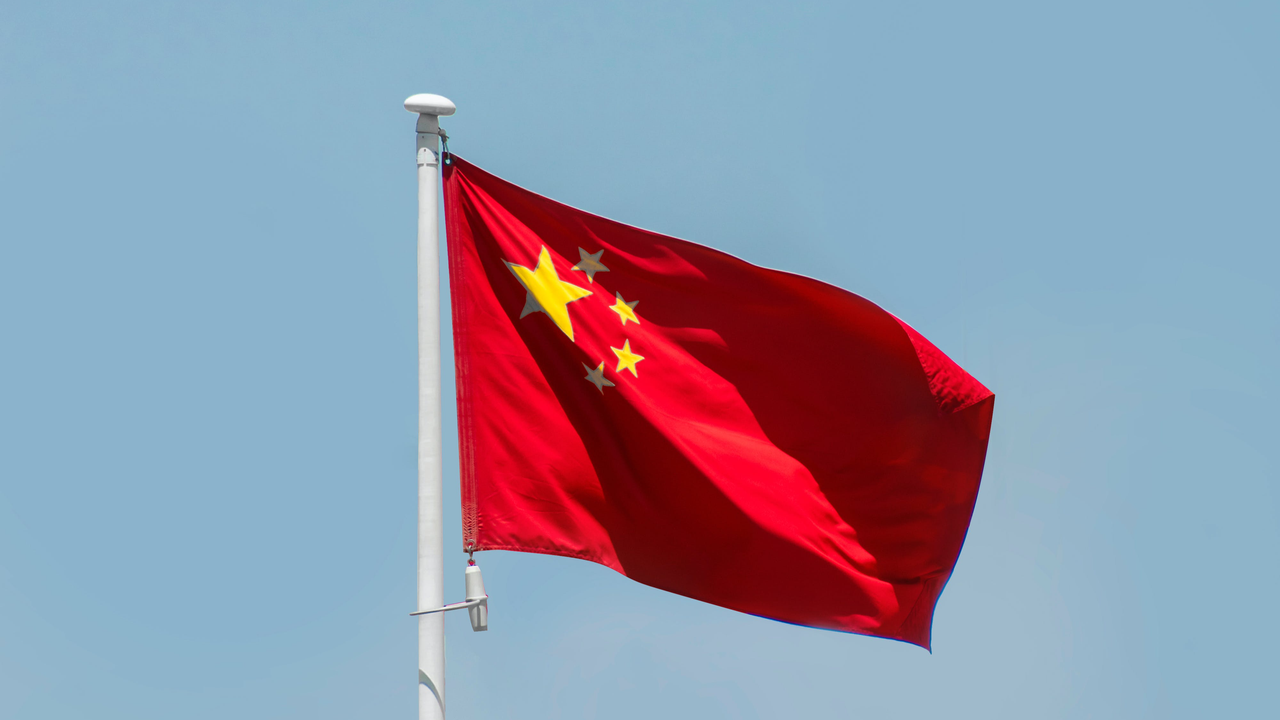
A viral social media trend dubbed “Chinamaxxing” is turning everyday Chinese habits into the latest global meme.
Across TikTok and Instagram, users — many of them young people in the West — are posting videos of themselves drinking hot water, eating congee for breakfast, wearing house slippers or soaking their feet, often captioned: “You met me at a very Chinese time in my life.”
The trend has been fuelled in part by Chinese-American creator Sherry Zhu, whose videos jokingly encourage followers to embrace what she calls the “Chinese baddie” lifestyle. Since January, thousands of posts have appeared under variations of the phrase, with users playfully claiming they have “turned Chinese."
While the content is often light-hearted, many view the trend as part of a broader shift in how Chinese culture is circulating globally — particularly through digital platforms and consumer products rather than traditional state messaging.
“Chinese-created cultural products can have global aesthetic appeal,” Dylan Loh, a specialist in Chinese foreign policy at Nanyang Technological University, told Global South World in an earlier interview. “It is not simply the fact that cultural products from the West have a complete monopoly or dominance over media and cultural entertainment.”
RECOMMENDED FOR YOU

Ugandan queen mother claims house arrest amid Tooro succession dispute
In recent years, Chinese brands and cultural products have found new global audiences. Collectible toys from Pop Mart, including the popular Labubu character, have gone viral internationally, while Chinese food chains and lifestyle brands have expanded overseas.
Loh said such trends illustrate a form of soft power driven largely by private industry rather than the state.
“These are the most authentic kinds of soft power because you see the absence largely of the state,” he said. Because they emerge through commercial appeal rather than official promotion, “people do not consider or think that it is threatening or suspicious.”
At the same time, China’s government has long sought to promote a more positive image of the country abroad. According to Loh, the Chinese Communist Party sees soft power as part of a broader effort to counter the narrative that China poses a threat.
“Using soft power does not preclude using coercive measures,” he added, noting that China’s cultural outreach sometimes sits alongside more assertive foreign policy moves, including disputes in the South China Sea.
Whether Chinamaxxing represents a lasting shift in cultural influence remains uncertain.
Loh said China’s soft power efforts have historically produced “mixed outcomes.”
RECOMMENDED FOR YOU

Iran rejects US claim of control over Strait of Hormuz
This story is written and edited by the Global South World team, you can contact us here.