Why Hungary's election could change more than just its government
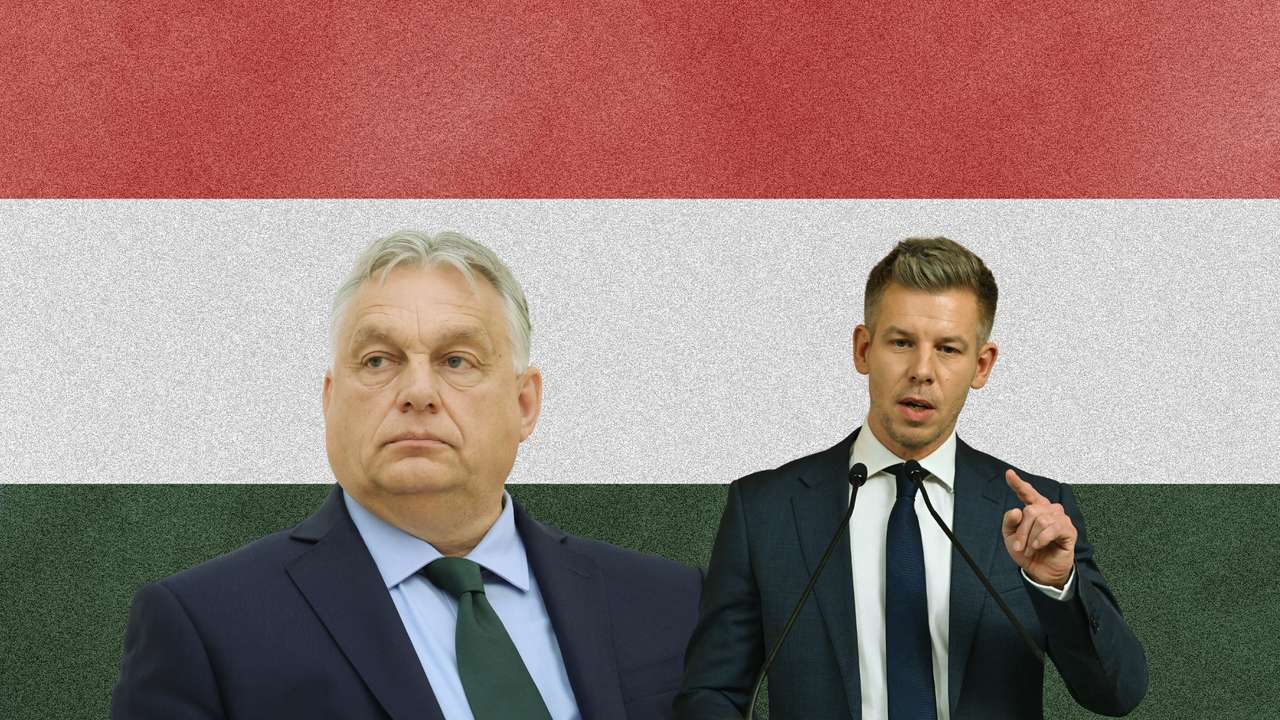
On Sunday, 12 April, Hungary heads to the polls in what many are calling its most important election since the end of communism in 1989.
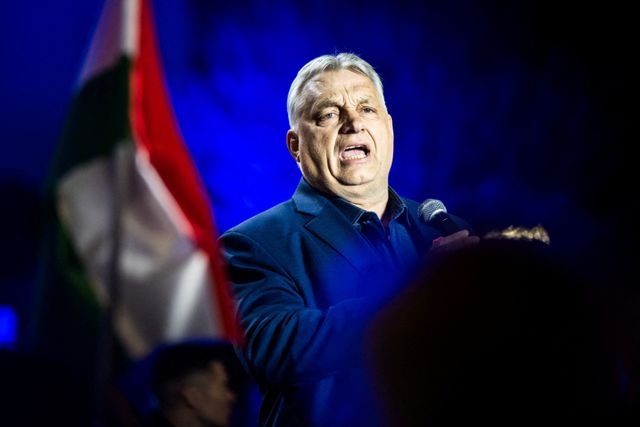
For the first time in 16 years, Prime Minister Viktor Orbán is facing a serious challenge not from the usual opposition but from someone who once stood beside him.
That challenger is Péter Magyar, a former Fidesz insider who now leads the Tisza (Respect and Freedom) Party. What looks like a domestic political contest is also being watched closely far beyond Hungary, with implications for the EU, the US, Russia, and Ukraine.
Orbán’s campaign has focused heavily on the idea of “war or peace.” He has positioned himself as Hungary’s protector, warning that “progressive forces” in the West and Ukraine are trying to pull the country into conflict.
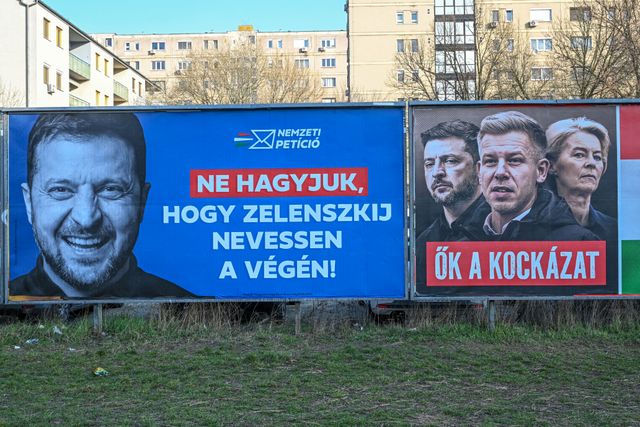
Across Budapest, that message is hard to miss. Posters show Volodymyr Zelensky and Ursula von der Leyen as threatening figures, often described as part of a “pro-war lobby.” Orbán has also claimed—without evidence—that Ukraine could attack Hungary. His allies have gone further, branding Magyar as an “agent of Brussels.”
RECOMMENDED FOR YOU
Six countries account for three-quarters of Europe’s unicorn startups
Magyar, 45, is not a typical opposition figure. He comes from Orbán’s inner circle and broke away after a corruption and pardon scandal. Since then, his Tisza Party has gained momentum.
His focus is different. He talks about the economy, corruption, and the rule of law, what he calls everyday issues. He has also promised to unlock between €18 billion and €22.5 billion in frozen EU funds by restoring Hungary’s alignment with European standards.
Unlike past challengers, Magyar connects with voters in rural areas through retail politics, and his right-leaning background makes him harder to dismiss.
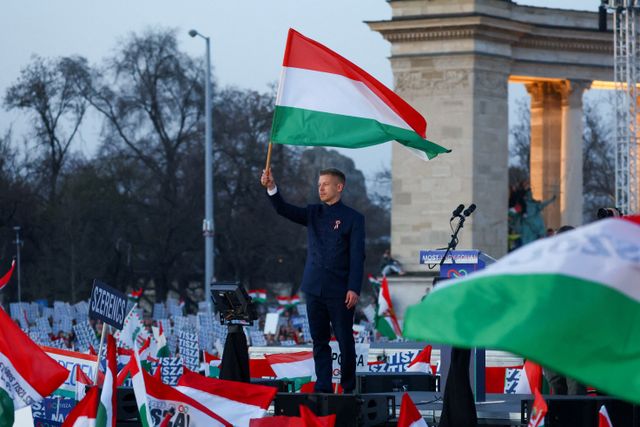
The outcome matters on several levels. At home, Hungary is ranked as the most corrupt country in the EU, with most of its media and judiciary under state control. A Magyar win would aim to reverse that and dismantle what critics call a “soft autocracy.”
In Europe, Orbán has built a reputation as the EU’s “disruptor-in-chief,” often blocking aid to Ukraine and sanctions on Russia. Some EU leaders are now even considering suspending Hungary’s voting rights.
There are also wider geopolitical stakes. Hungary has been accused of acting as Moscow’s “mole” inside the EU, with leaked calls suggesting coordination with Russian diplomats. If Orbán loses, Russia could lose a key ally, and Ukraine could find stronger support.
In the US, Orbán has backing from Donald Trump and has hosted Vice President JD Vance, but some US Senators are pushing sanctions over Hungary’s ties to Russian energy.
Even with polls putting Tisza ahead by 10 to 12 points, victory is not certain. Orbán has reshaped the system, rewriting the constitution and gerrymandering districts to favour Fidesz.
RECOMMENDED FOR YOU

Burkina Faso to stop importing armoured vehicles, Traore says
Experts say Magyar may need at least a six-point lead just to win a majority. The campaign has also been hit by claims of Russian-backed disinformation, known as “Gamechanger,” aimed at damaging the opposition and even suggesting staged assassination plots.
This story is written and edited by the Global South World team, you can contact us here.
