Why Indonesia has the happiest workers in Asia-Pacific
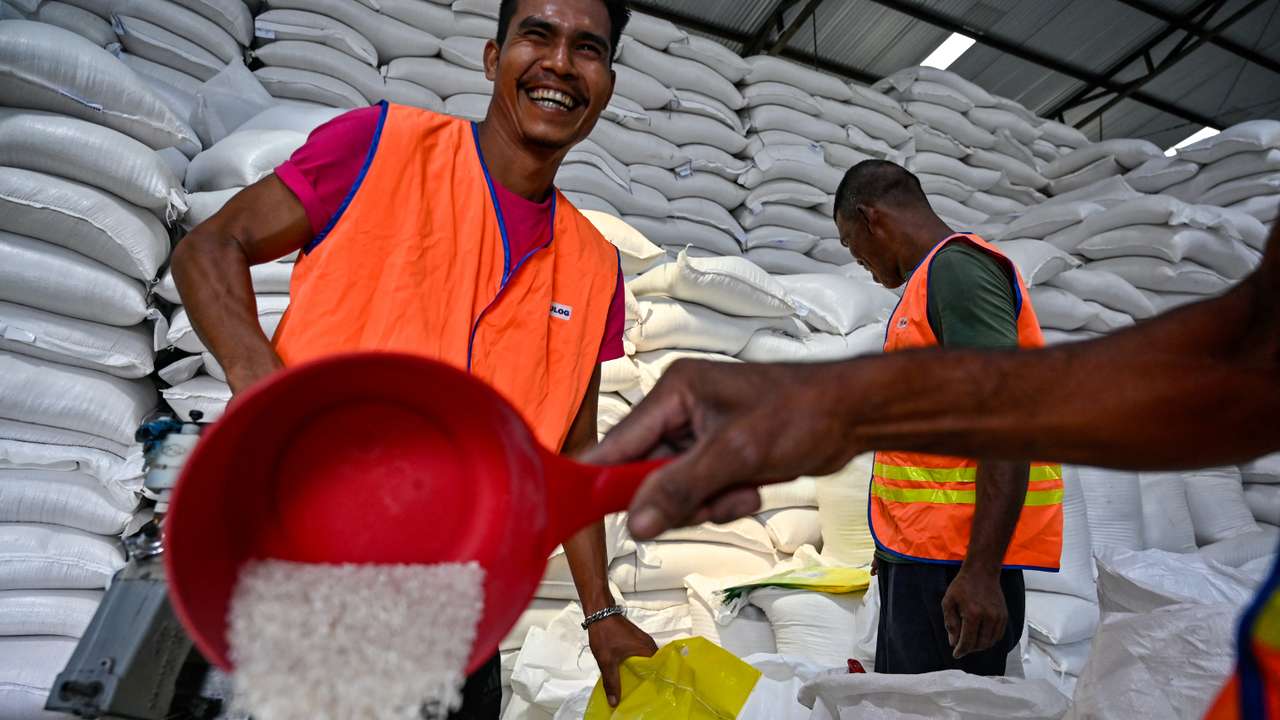
Indonesia has emerged as the happiest workforce in the Asia-Pacific, according to a regional survey that highlights strong workplace relationships, meaningful work and supportive labour conditions as key drivers of employee satisfaction.
The Workplace Happiness Index released by Jobstreet by SEEK found that 82% of Indonesian workers say they feel fairly happy to very happy at work, placing the country well ahead of others in the region.
By comparison, workplace happiness levels stood at 57% in Australia, 56% in Singapore and 47% in Hong Kong.
The findings are based on an online survey conducted by research firm Nature between October and November 2025, involving around 1,000 Indonesian respondents aged 18 to 64.
Beyond general satisfaction, the report found that 86% of workers feel valued by their employers, while 75% say their work is fulfilling or meaningful.
RECOMMENDED FOR YOU

Ugandan queen mother claims house arrest amid Tooro succession dispute
Not just about salary
The survey indicates that workplace happiness in Indonesia is shaped largely by non-financial factors rather than salary alone.
The most frequently cited contributor was strong relationships with colleagues or teams, mentioned by 77% of respondents. Workers also highlighted convenient workplace locations (76%) and having meaningful work (75%) as major drivers of satisfaction.
Although wages remain important, only 54% of respondents said higher pay was their main aspiration, suggesting that salary is not the dominant factor behind workplace wellbeing.
According to Wisnu Dharmawan, acting managing director of Jobstreet by SEEK Indonesia, competitive wages may help attract workers, but long-term satisfaction depends on whether employees feel their work has purpose and whether they can maintain work–life balance.
Gen X is the happiest
The report also found variations in workplace happiness across demographic groups and industries.
Generation X recorded the highest satisfaction levels at 85%, followed by Millennials at 84%, while Generation Z reported the lowest score at 76%.
Industry also plays a role. The technology sector recorded the highest happiness level at 93%, reflecting strong workplace culture and career prospects.
Geographically, Greater Jakarta recorded the highest satisfaction at 87%, compared with 75% in western parts of Indonesia.
RECOMMENDED FOR YOU

100 years after Fidel Castro’s birth, what became of his revolution?
Burnout, job security concerns
Despite the high levels of reported happiness, workplace pressures remain present.
The survey found that 56% of workers experience heavy workloads, while 44% report stress and 43% say they have experienced burnout.
Around 40% of workers who described themselves as happy also reported feeling mentally exhausted, highlighting the complex relationship between job satisfaction and workplace demands.
Meanwhile 42% of respondents said they are concerned about job security due to the rise of artificial intelligence, particularly in the technology sector.
Broader reasons behind workforce satisfaction
Indonesia’s broader labour environment may also shape workplace conditions.
According to the International Labour Organization, the country has developed a comprehensive legal and institutional framework to combat forced labour and human trafficking, with laws and enforcement mechanisms that apply across different employment sectors.
The government is also moving to increase wages. Under a new wage-setting framework signed by President Prabowo Subianto, Indonesia’s minimum wage is expected to rise by around 5% to 7% in 2026.
In Jakarta, where the current minimum wage is about Rp5.4 million ($318) per month, the formula suggests a potential increase to around Rp5.68 million ($334) to Rp5.77 million ($339) in 2026, depending on economic growth data.
RECOMMENDED FOR YOU

Russia signs BRICS Pay and technology deals in New Delhi
This story is written and edited by the Global South World team, you can contact us here.