Why Japan halted the restart of the world’s largest nuclear power plant
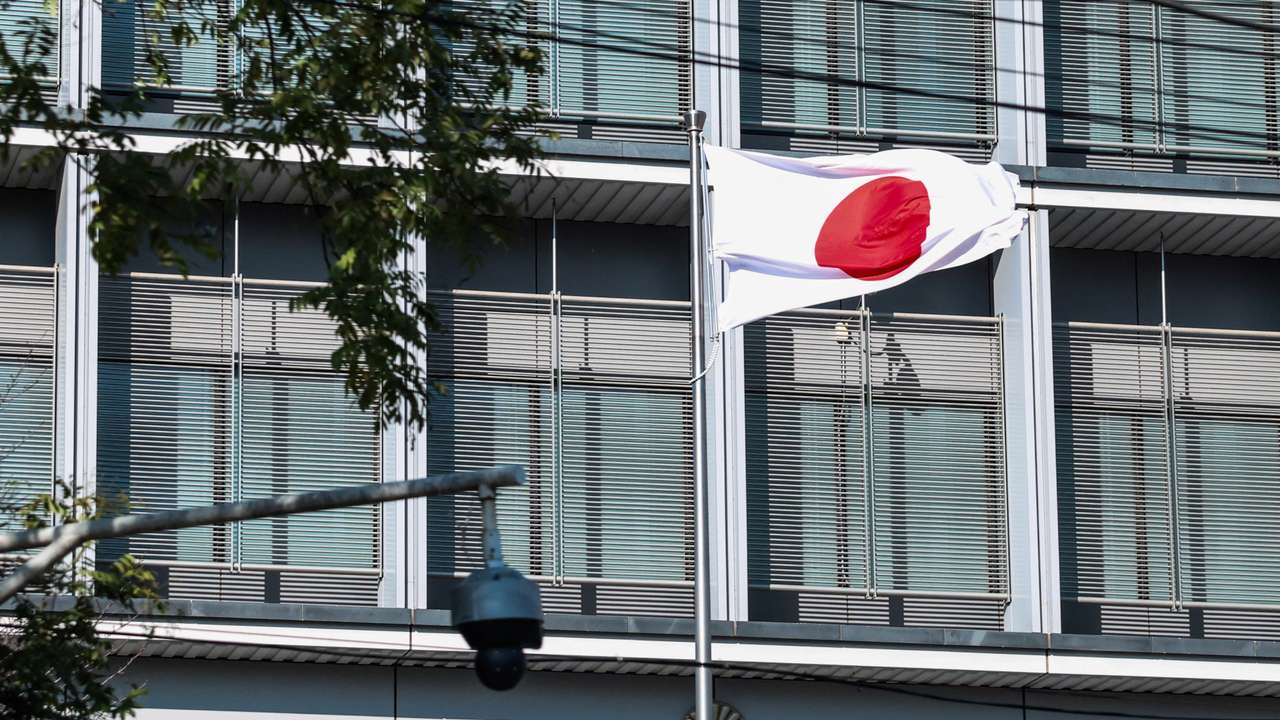
Japan has suspended the restart of the world’s largest nuclear power plant after an alarm sounded during reactor start-up procedures, its operator said on Thursday, January 22.
The Kashiwazaki-Kariwa nuclear plant in Niigata prefecture had begun steps to resume operations on Wednesday, a day after receiving final approval from Japan’s nuclear regulator. The facility had been shut down since the 2011 Fukushima nuclear disaster.
Tokyo Electric Power Company (TEPCO), which operates the plant, said an alarm from the monitoring system was triggered during the restart process, prompting officials to halt operations and investigate the cause.
“We don’t expect this to be solved within a day or two,” plant superintendent Takeyuki Inagaki told a news conference. “There is no telling at the moment how long it will take.”
TEPCO said the alarm was linked to malfunctioning electrical equipment. As a precaution, operators reinserted the control rods, devices used to slow or stop the nuclear reaction, in a planned and safe manner. The company said the reactor remains stable and there has been no release of radioactive material.
RECOMMENDED FOR YOU
Gaza rescuers search rubble after Al-Saada collapse kills more than 20
The restart had already been delayed earlier in the week after a separate issue involving the control rods was detected, though that problem was resolved on Sunday.
Kashiwazaki-Kariwa is the largest nuclear power plant in the world by capacity and has seven reactors, though only one was being prepared for restart. It is the first plant operated by TEPCO to attempt a restart since the Fukushima disaster, which led Japan to shut down most of its nuclear facilities.
Japan is now seeking to revive nuclear power as it aims to cut fossil fuel use, meet growing energy demand, including from artificial intelligence and achieve carbon neutrality by 2050.
However, public opposition remains strong in Niigata. A recent survey found that about 60 per cent of local residents oppose restarting the plant, citing safety concerns and the site’s location near active seismic faults.
TEPCO said it will focus on identifying the cause of the alarm before deciding when restart efforts can resume.
This story is written and edited by the Global South World team, you can contact us here.