Why ‘money politics’ is losing appeal ahead of Thailand’s election
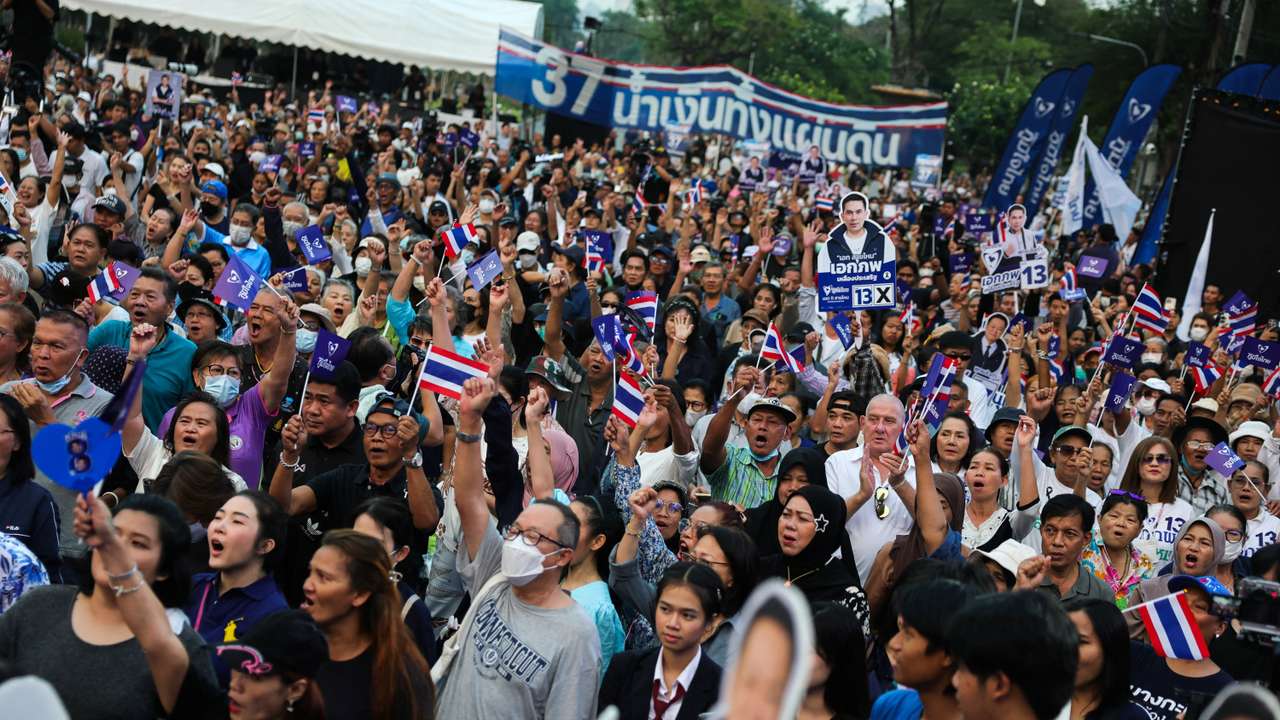
As Thailand heads to the polls, many voters say they are growing tired of politicians who rely on cash handouts to win support, instead calling for policies that address rising living costs and long-term livelihoods.
In northern and north-eastern Thailand long seen as strongholds for parties offering populist giveaways, voters interviewed ahead of the February 8 election said vote-buying no longer carries the influence it once did.
Benjaporn Maigate, a street food vendor in Chiang Rai, said money offered during campaigns does little to solve daily struggles.
“There’s a lot of money being thrown around to buy votes, but what people really need are policies that reduce the cost of living, especially electricity and fuel,” she said. She added that her family refuses to accept money in exchange for votes. “If someone tries to buy our vote, we shut the door on them,” she said.
Similar views were shared in Thailand’s north-east, known as Isan, where agriculture remains central to the economy. Farmer Rungnapa Kongsui from Ubon Ratchathani said cash handouts bring only short-lived relief.
RECOMMENDED FOR YOU

Flávio Bolsonaro rejects Brazil election results, seeks annulment of Lula's victory
“The happiness from money lasts only for a short time,” she said. “But if you support jobs, careers and markets, people will remember that forever.”
The shift in attitudes matters because nearly 25 million voters live in the North and North-east, which together account for 170 of Thailand’s 500 parliamentary seats. While these regions have traditionally backed the Pheu Thai party, recent elections have shown more mixed results.
Voters say empty promises and short-term giveaways are no longer enough. Farmer Saksayam Lakkan, who returned home after working abroad, said real change depends on education and technology. “If the government actually promoted technology and educated the new generation of farmers, we could develop and have a better life,” he said.
The election also includes a referendum on whether to amend Thailand’s 2017 military-era constitution, a process many voters view with scepticism after repeated failed attempts. Political analyst Purawich Watanasukh from Thammasat University said years of stalled reforms have left voters fatigued and wary of grand promises.
This story is written and edited by the Global South World team, you can contact us here.