Why snakebite treatment remains out of reach for many Nigerians
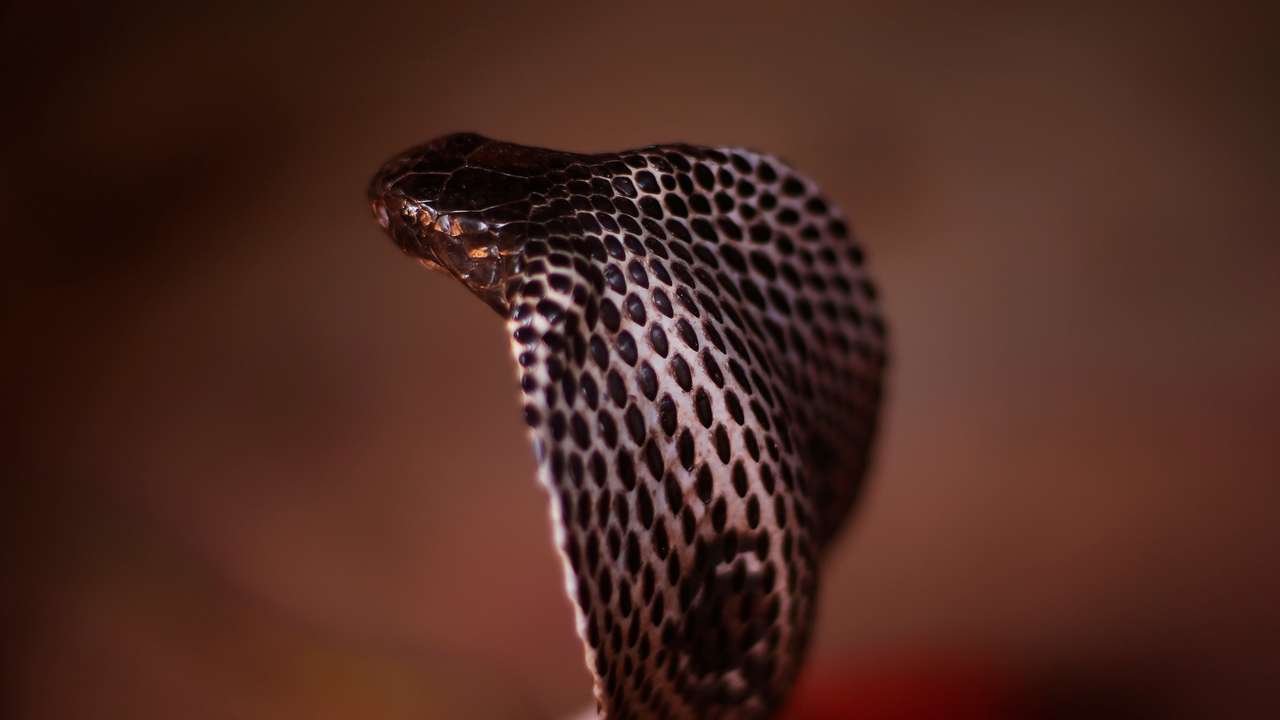
Snakebite victims in Nigeria continue to struggle to access life-saving treatment, despite the country recording an estimated 43,000 cases every year, health experts in Nigeria say.
Medical specialists warn that the high cost and limited availability of antivenom, the only World Health Organisation-approved treatment for snakebite envenoming, are driving preventable deaths and long-term disabilities, particularly in rural communities.
According to the Toxinological Society of Nigeria, nearly 1,900 people die from snakebites annually. However, the real figure could be higher due to underreporting, especially in remote areas where victims rely on traditional remedies.
Antivenom is expensive, with a single dose costing between ₦180,000 and ₦250,000 (approximately $120 - $170), more than four months’ income for Nigerians earning the minimum wage. Many patients require multiple doses, pushing treatment far beyond what most families can afford.
Studies show that about half of Nigeria’s health facilities lack the capacity to treat snakebite cases, either because they do not stock antivenom or because health workers are not trained to administer it. “Nigeria records thousands of snakebites every year, yet even specialised hospitals often do not have antivenom in stock,” said Dr Nicholas Amani of the Snakebite Hospital and Research Centre in Gombe State.
RECOMMENDED FOR YOU

Six countries account for three-quarters of Europe’s unicorn startups
Further, a Professor of Medical Microbiology at the University of Jos, Plateau State, Patricia Lar added that; “The anti-snake venom problem is that in our country, we’re not committed to the production of the anti-snake venom. We have the science, we have people who are knowledgeable about it, but there is the general problem of a lack of commitment, concerted efforts to develop and produce on a large scale the anti-snake venom. So Nigeria imports, and there are wide varieties from India, China, and from the UK, and that is the reason the cost is exorbitant, and you don’t find it in every hospital or in primary healthcare centres where people should easily access it.”
Adding; “We need expertise and a general awareness of the first line of action, which is primary health care. There is a need for this anti-snake venom to be readily available and to be administered in the event of a bite by a poisonous snake.”
Following recent high-profile deaths linked to snakebites, medical professionals and lawmakers have renewed calls for the government to subsidise antivenom, expand local production and make the treatment freely available nationwide.
This story is written and edited by the Global South World team, you can contact us here.