Why the US opposed the UN ‘reparatory justice’ resolution on slavery
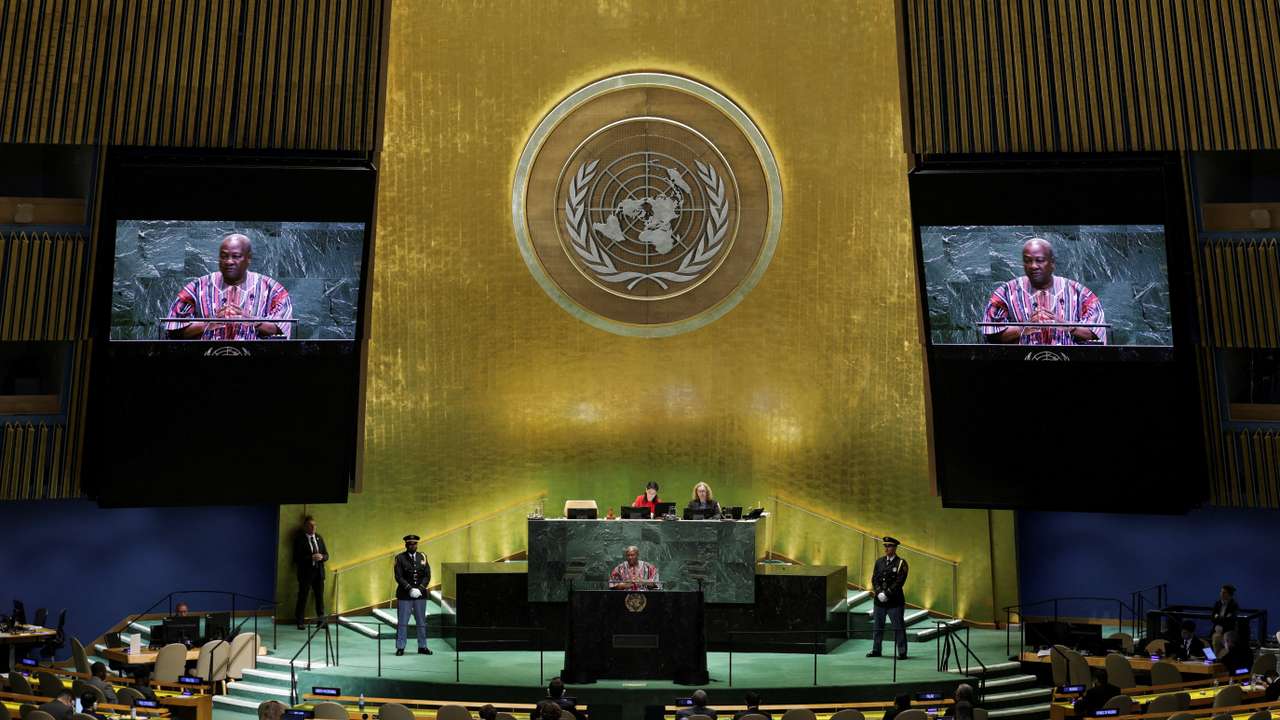
The United States has refused to back a UN resolution on “reparatory justice” for slavery, saying the text is legally flawed, politically selective and outside what Washington believes the United Nations was created to do.
In an explanation of its position, Ambassador Dan Negrea, the United States Representative to the United Nations Economic and Social Council, said the US still “remains steadfast” in condemning the trans-Atlantic slave trade, the trans-Saharan slave trade and all forms of slavery, and accepts they were “historical wrongs.” But it said it could not support the resolution because it was “highly problematic in countless respects.”
The US said it does not accept the resolution’s suggestion that historical slavery from the 15th to 19th centuries amounted to violations of jus cogens, the highest norms of international law, “as that term is understood in contemporary international law.” It also rejected the idea that there is a legal right to reparations for historical acts “that were not illegal under international law at the time they occurred.”
Washington also challenged the resolution’s practical implications. It said the text was unclear about who would qualify as recipients of “reparatory justice,” arguing that supporters appeared to be using past wrongs as leverage to “reallocate modern resources” to people and states “distantly related to the historical victims.”
The US further criticised what it called an attempt to create a hierarchy of crimes against humanity, saying any ranking “diminishes the suffering” of victims of other atrocities and is “simply incorrect as a matter of law.”
RECOMMENDED FOR YOU
Six countries account for three-quarters of Europe’s unicorn startups
Beyond the substance, the US argued that the process and scope were misplaced. It said the UN’s purpose is maintaining international peace and security, not “advancing narrow, specific interests,” creating new international days, or adding “costly meeting and reporting mandates.” It also complained that its proposed changes and those of other delegations were ignored during drafting.
In the same statement, Washington rejected claims circulating online that sponsors of the resolution questioned President Donald Trump’s support for Black Americans, saying such suggestions were “fake news” and asserting that Trump had “enjoyed historic support” from Black voters in the 2024 election.
This story is written and edited by the Global South World team, you can contact us here.