Why Turkey is still prosecuting figures linked to 2013 Gezi protests
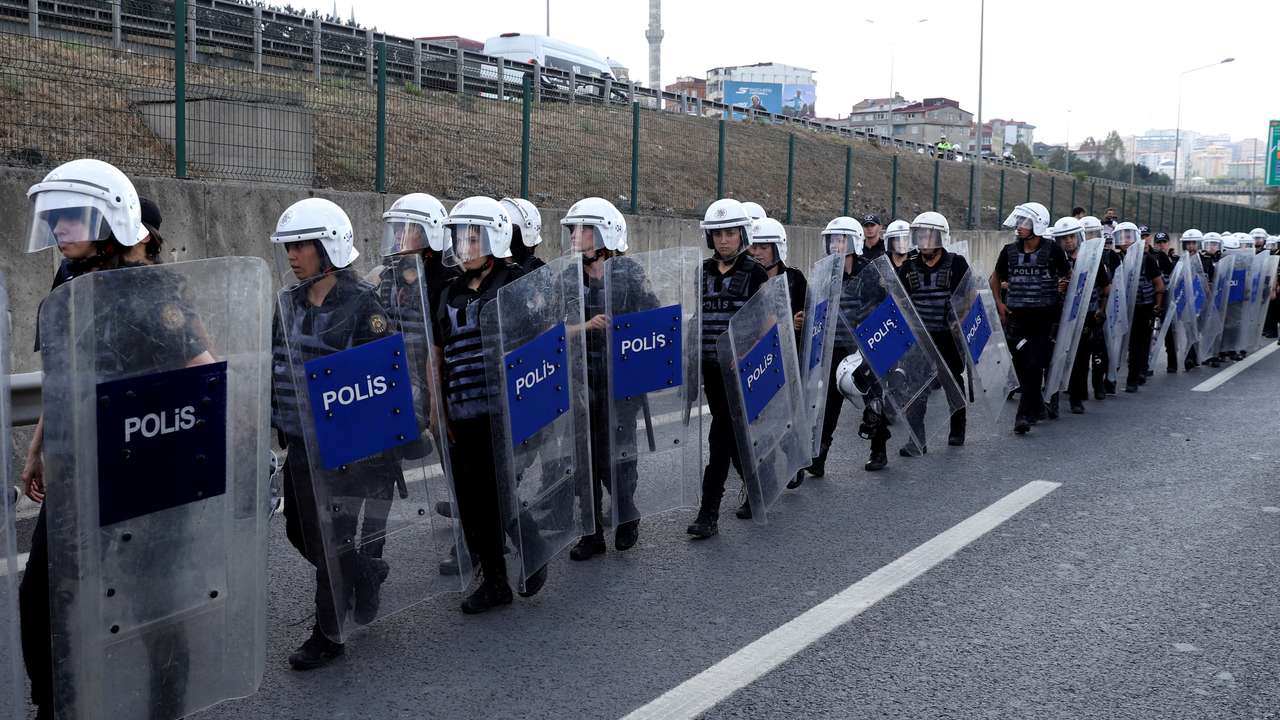
More than a decade after the 2013 Gezi Park protests shook Turkey, authorities are still pursuing cases against individuals accused of being involved in the demonstrations.
On Wednesday, an Istanbul court sentenced prominent TV talent manager Ayse Barim, 55, to 12 and a half years in prison for “seeking to overthrow the government." Prosecutors had originally sought a life sentence. Barim has repeatedly denied the charges since her arrest in January 2025.
The Gezi protests began in June 2013 as a small environmental sit-in against plans to redevelop Istanbul’s Gezi Park. The movement quickly grew into nationwide demonstrations against then-prime minister Recep Tayyip Erdogan and his government, drawing hundreds of thousands of people into the streets.
At the time, the government described the protests as an attempt to destabilise the state. Critics, however, saw them as a largely peaceful expression of public frustration over governance and civil liberties
In Barim’s case, prosecutors accused her of encouraging actors she managed to join the protests, alleging she played a role in efforts to undermine the government. She was briefly released in October due to health concerns, but was re-arrested the following day.
RECOMMENDED FOR YOU
Gaza rescuers search rubble after Al-Saada collapse kills more than 20
Turkey’s continued prosecutions linked to the Gezi protests reflect the government’s long-standing position that the events were not spontaneous demonstrations but part of a coordinated effort to challenge state authority and consequently overthrow the government.
This story is written and edited by the Global South World team, you can contact us here.