Why world’s border conflicts all point South: Video
When a mapmaker in a distant capital once drew a straight line across a territory without ever setting foot there, he could not have imagined the human cost of that act.
He didn’t see the river that flooded each year, or know that the people on either side shared marriages, markets, burial grounds or grazing lands. He didn’t ask who hunted where, or which communities were friends and which were rivals. He simply drew a line and left.
More than a century later, that line has become a frontline marked by soldiers, conflict and deep-seated tension. Historians and political analysts say these conflicts didn’t begin yesterday; they began the moment territorial borders were imposed without reference to local realities. Many of today’s borders were drawn by imperial powers that cared more about rivalry and resource control than about rivers, ethnic groups, or traditional land use.
Experts say many modern border tensions occur where artificial lines cut across ethnic and cultural territories or where they overlay natural resources and strategic interests. When boundaries were imposed by colonial powers with rulers instead of local voices, they often ignored rivers, trade routes, shared histories, and even livelihoods, planting the seeds for long-term conflict.
Today, defending a border is no longer just about territorial control, it’s about survival, leverage, identity and sovereignty. Courts and treaties can offer legal frameworks for settling disputes, but in many cases, the words on a page have been overshadowed by force on the ground.
RECOMMENDED FOR YOU
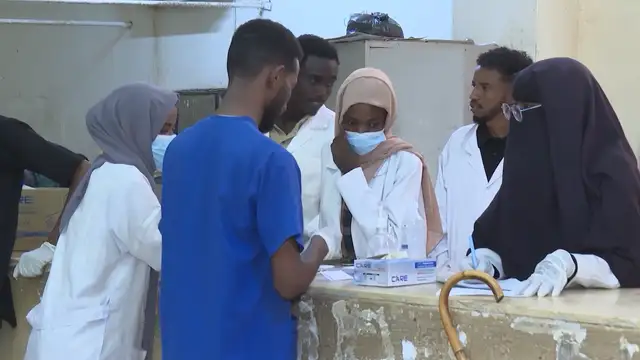
Malaria surge in Sudan’s Khartoum as millions return home
In 2026, these lines drawn centuries ago still shape who eats, who profits and who holds power, even as local communities, national governments and international actors grapple with the unresolved legacy of maps made far from the realities they were meant to define.
This story is written and edited by the Global South World team, you can contact us here.