Why WTO says Africa’s commodity export model is holding it back
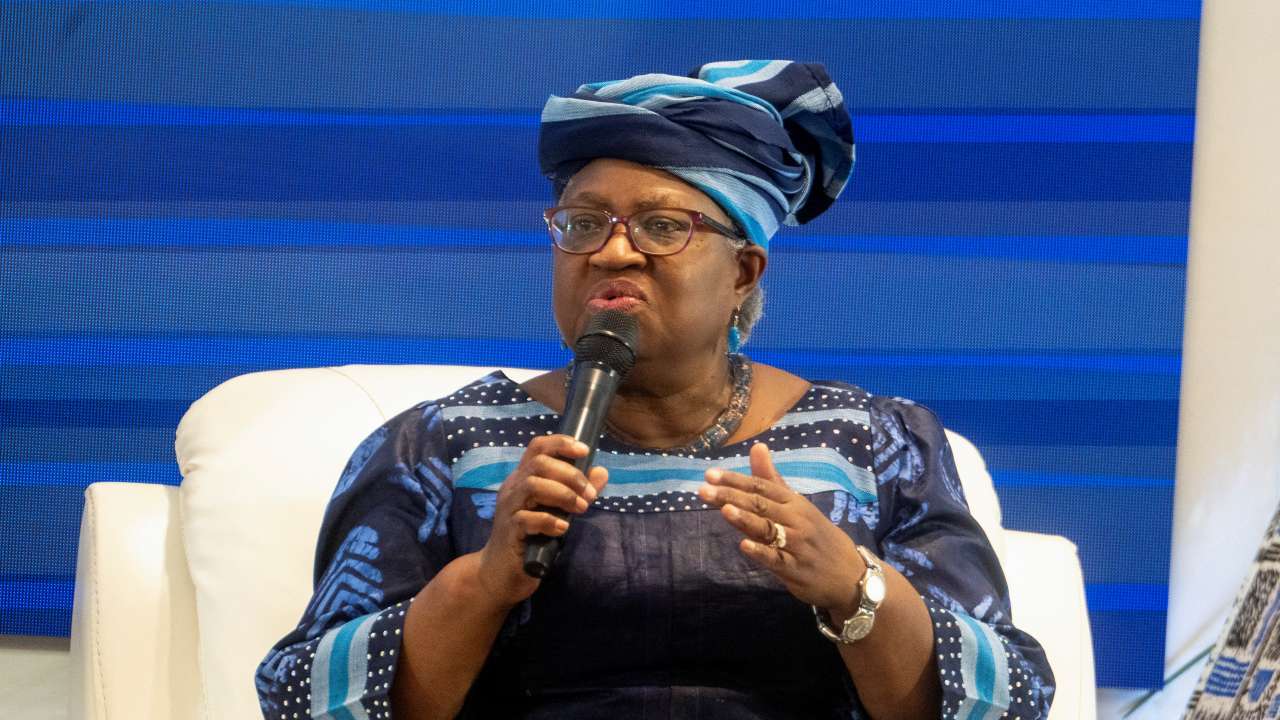
Africa will struggle to grow its slice of global trade unless it stops relying so heavily on shipping out raw materials, World Trade Organisation director-general Ngozi Okonjo-Iweala warned as the WTO opened its 14th Ministerial Conference in Yaoundé, Cameroon.
Speaking after the opening, Okonjo-Iweala said Africa’s share of world trade has stayed around 3% for years, a sign that the continent is not capturing enough value from what it produces. She argued that the problem is structural, commodities still make up roughly 60% of Africa’s exports, leaving many economies exposed to price swings and limiting job creation.
“To increase its share of world trade, Africa has to add more value instead of exporting … unprocessed products,” she said, calling for stronger local value chains so more processing and manufacturing happens on the continent. “What Africa needs is for the value chains to be created on the continent … and therefore, creation of jobs.”
Okonjo-Iweala said Africa has the resources to shift its model, pointing to the continent’s hold over about 30% of the world’s critical minerals and around 60% of renewable solar potential, assets that could support industrial development if paired with investment, infrastructure and trade-friendly policies.
While the country has been trying to diversify, its exports remain heavily concentrated in primary goods. Data cited from UNCTAD’s Data Hub and the World Bank’s WITS shows Malawi’s merchandise exports have fallen from about $1.3 billion in 2014 to roughly $950 million in recent years, and commodities still dominate the basket.
RECOMMENDED FOR YOU
Six countries account for three-quarters of Europe’s unicorn startups
Between 2021 and 2023, commodities accounted for about 91% of Malawi’s export earnings, driven largely by agricultural products such as tobacco, underscoring how difficult it has been to build a pipeline from farm or mine to factory.
Business leaders say the shift to value-added exports is possible, but will need targeted support. Daisy Kambalame, chief executive of the Malawi Confederation of Chambers of Commerce and Industry, said moving up the value chain would boost foreign earnings and competitiveness, but only if the manufacturing base is strengthened.
Malawi’s government has rolled out policies such as the National Export Strategy (2021-2026) and a “Buy Malawi” push to encourage local production and wider export markets.
This story is written and edited by the Global South World team, you can contact us here.