Why Zimbabwean families want Cambridge, Natural History Museum to return ‘looted’ skulls
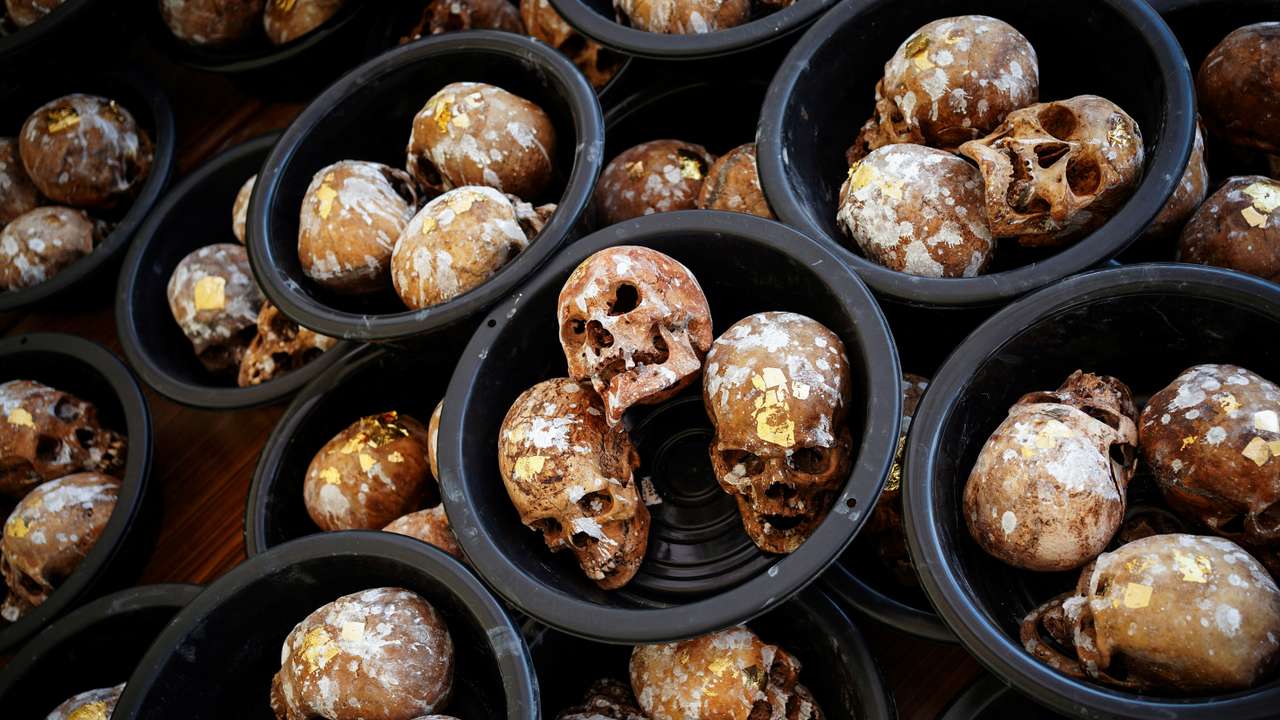
Descendants of Zimbabwean anti-colonial fighters executed and beheaded during the First Chimurenga uprising in the 1890s have formally asked the UK’s Natural History Museum and the University of Cambridge to help locate and return what they believe are their ancestors’ skulls taken to Britain as colonial-era trophies.
Eight descendants have written to the two institutions urging them to set up a joint taskforce of experts from Zimbabwe and the UK to examine disputed remains and archival records, and offered to provide DNA samples to help verify identities.
In their letters, they said the issue is about accountability as much as history, “This is not only about the past…until the remains of our ancestors are accounted for and returned, the suffering continues,” the Guardian quotes.
The families say they were dismayed after the museum and Cambridge said in 2022 they had not identified any remains in their collections as belonging to the resistance fighters, an answer the descendants and some Zimbabwean officials say is hard to accept without deeper research.
Among those seeking answers is Chief Makoni, Cogen Simbayi Gwasira, a descendant of Chief Chingaira Makoni, who fought British settler forces and was later captured, executed and beheaded. “We are very aggrieved…for the dehumanisation that took place,” he said, adding that British institutions “should be honest and return those things that they took.”
RECOMMENDED FOR YOU

Ugandan queen mother claims house arrest amid Tooro succession dispute
The renewed push comes as wider scrutiny grows over the scale of human remains from Africa held in UK institutions. A Guardian investigation found at least 11,856 items of human remains from Africa across UK universities, museums and councils, with Cambridge and the Natural History Museum among the largest holders.
This story is written and edited by the Global South World team, you can contact us here.