Zimbabwe eyes record 360 million kg tobacco harvest, Africa’s largest producer expands output
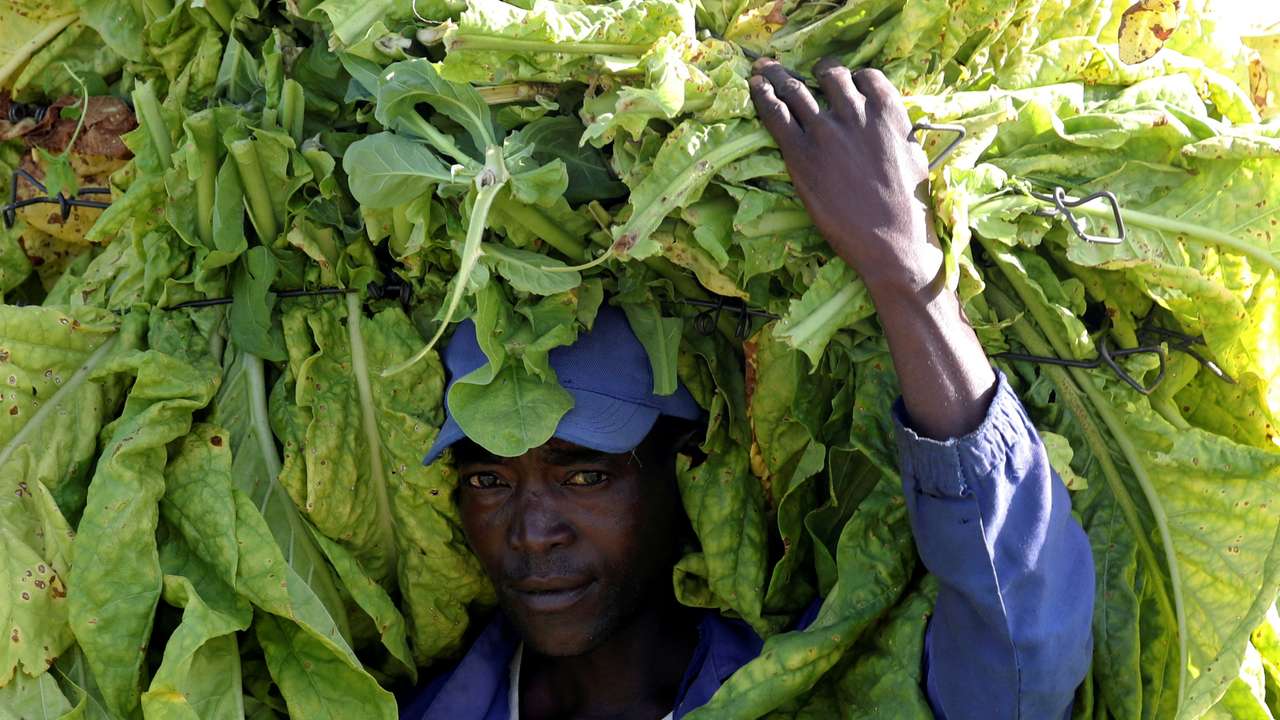
Zimbabwe is expecting its largest tobacco harvest on record, with production projected to reach at least 360 million kilogrammes this season.
If achieved, the figure would surpass last year’s 355 million kg and further cement Zimbabwe’s position as Africa’s largest producer of tobacco, often referred to locally as the “golden leaf.”
One key driver of the expected bumper harvest is the increase in land under cultivation. According to the Tobacco Industry and Marketing Board (TIMB), farmers have planted more than 162,000 hectares this season, up 42 percent from about 114,000 hectares last year.
Industry officials say improved planning, stable policies and stronger contract farming arrangements have encouraged more growers to expand production. “The increase in planted area demonstrates renewed confidence by growers in the tobacco sector,” said TIMB chairperson Patrick Devenish.
Another major factor is the shift toward domestic financing. The government says 67 percent of tobacco funding now comes from local banks and financial institutions, compared to a heavier reliance on foreign contractors in the past.
RECOMMENDED FOR YOU

Flávio Bolsonaro rejects Brazil election results, seeks annulment of Lula's victory
Under cooperation models such as Zimbabwe-China partnerships, both smallholder and commercial farmers have gained better access to capital and inputs.
“Zimbabwe not only surpassed production targets, but also significantly increased the localisation of tobacco financing,” said Lands and Agriculture Permanent Secretary Professor Obert Jiri.
Favourable rainfall has also helped, but farmers are increasingly relying on irrigation systems such as the locally developed Smart Pfumvudza model, which costs under $2,000 and allows earlier planting while reducing the risks of dry spells.
In addition, new drought-tolerant tobacco varieties developed by Kutsaga Research are boosting yields. Under proper farming practices, farmers can now achieve between 2,500 and 5,000 kg per hectare.
The country has already surpassed its 300 million kg target under the National Development Strategy and is now aiming for 400 million kg by 2028. Currently, only about 10 percent of tobacco is processed locally, though that is up from just 2 percent in previous years.
This story is written and edited by the Global South World team, you can contact us here.