Zimbabwe Roundup: Constitutional crisis deepens, ZiG currency push intensifies, fuel relief signals economic strain
Constitutional tensions point to deeper institutional strain
Zimbabwe is entering a period of heightened political uncertainty, with the country facing a constitutional crisis. While the document does not spell out the exact trigger, the context strongly suggests tensions linked to constitutional amendments and the broader balance of power within state institutions. The absence of specifics signals that this is still unfolding, rather than a resolved dispute, with potential implications for governance and legal stability.
Zanu PF intensifies long-term political positioning
Zanu PF is actively advancing its 2030 Bill campaign, taking the message to Heroes Acre, a site loaded with national and historical symbolism. This move underscores the strategic weight of the campaign, positioning it as part of a longer-term political project rather than routine legislation. At the same time, provincial outreach on Amendment No. 3 is being stepped up, indicating a coordinated national effort to build public backing for constitutional changes.
Referendum stance signals confidence in mobilisation
The Zanu PF party’s assertion that it does not fear a referendum reflects a calculated posture. It suggests confidence in its ability to secure public approval if a national vote is called. When viewed alongside the intensified outreach campaigns, this stance points to active preparation for a referendum scenario, even if no formal timeline has been announced.
ZiG transition exposes gap between policy and confidence
The debate around the Zimbabwe Gold currency is sharpening, highlighting a distinction between adoption and stability. Authorities are pushing for ZiG-only payments as a key step in the transition, but the need to emphasise stability separately suggests that confidence in the currency remains uncertain. The reference to the latest Monetary Policy Committee statement indicates that this is an ongoing policy challenge, not a settled issue.
RECOMMENDED FOR YOU
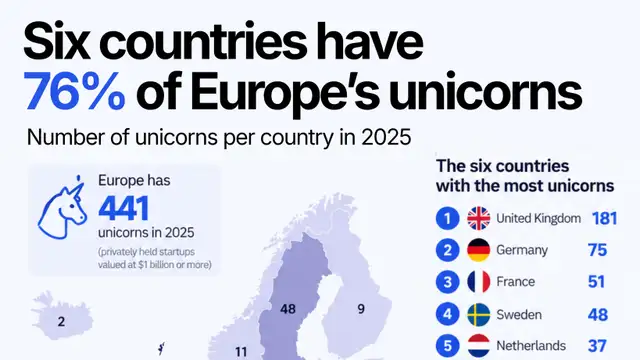
Six countries account for three-quarters of Europe’s unicorn startups
Economic measures reflect mounting pressure on households and growth
Government responses point to rising economic strain, with plans to cut fuel taxes aimed at cushioning consumers. At the same time, the Reserve Bank of Zimbabwe has held interest rates despite global fuel shocks, while authorities review construction sector fees to stimulate activity. Taken together, these measures reflect an attempt to balance immediate cost-of-living relief with broader economic stability.
This story is written and edited by the Global South World team, you can contact us here.