Zimbabwean comedian sued for $27 million over ‘Lion King’ chant joke
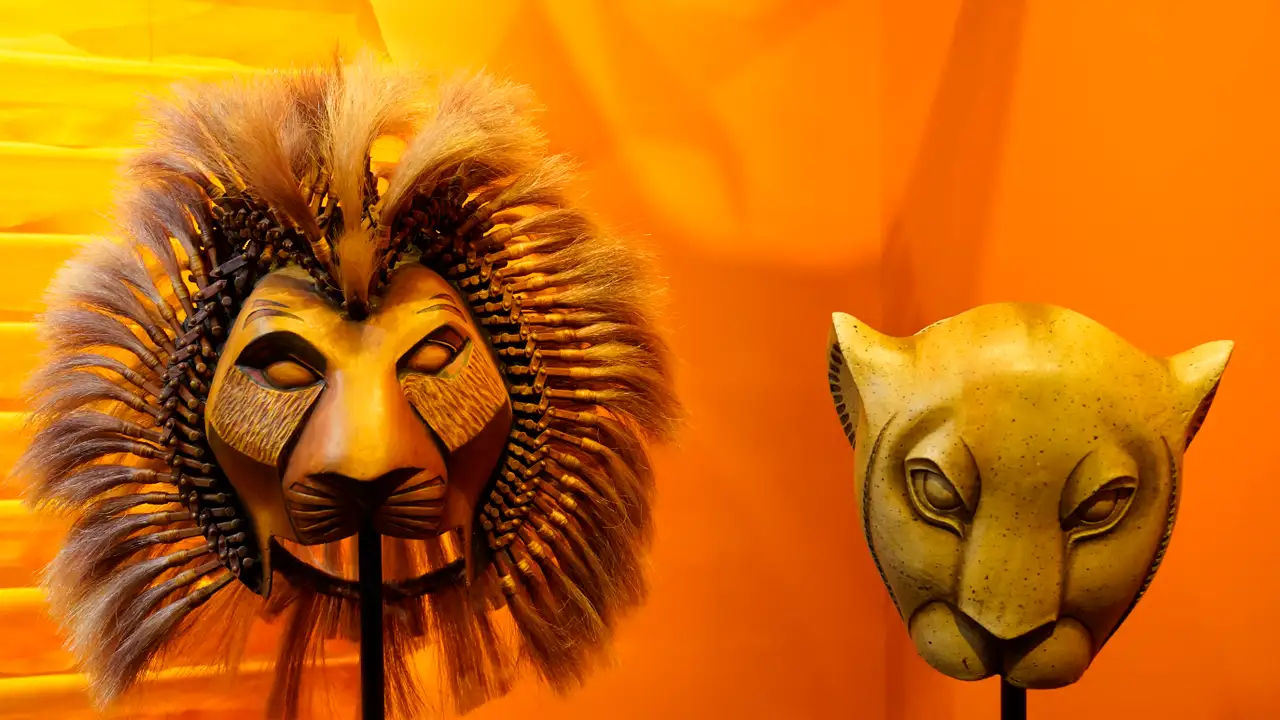
A legal dispute over one of the most recognisable chants in global pop culture has put questions of translation, satire and cultural meaning under scrutiny.
Lebohang Morake, the Grammy-winning South African composer known as Lebo M, is suing Zimbabwean comedian Learnmore Mwanyenyeka over a viral joke about the opening chant in Disney’s The Lion King.
Morake alleges the joke distorted the meaning of the lyrics and harmed his reputation and business interests, while Mwanyenyeka has framed his comments as part of a broader comedic critique of how Africa is portrayed in Western media.
What happened
- Morake filed a lawsuit in Los Angeles seeking more than $20 million in damages, along with additional punitive claims, over remarks made by Mwanyenyeka on a podcast and in stand-up routines.
- The dispute gained traction online after clips of the comedian’s translation went viral, with some viewers saying they believed the interpretation and others criticising it.
- Mwanyenyeka has continued to reference the joke in performances and has launched a fundraiser to cover legal costs.
What the comedian said
- During a podcast, Mwanyenyeka corrected hosts attempting to sing the chant and then translated it as: “Look, there’s a lion. Oh my god.”
- When asked if he was joking, he replied: “That’s exactly what it means.”
- He has said he is a “big fan” of Morake’s work and argued that comedy can “start conversation” and create opportunities for education.
What the chant actually means
- The opening phrase “Nants’ingonyama bagithi Baba” is officially translated by Disney as: “All hail the king, we all bow in the presence of the king.”
- Another line, “Hay! baba, sizongqoba,” translates to: “Through you we will emerge victoriously.”
- While the word “ingonyama” can literally mean “lion,” Morake’s legal filing argues it functions as a royal metaphor invoking kingship and authority.
Cultural significance of the chant
- The chant is described in the lawsuit as a Praise Imbongi, a form of traditional royal praise poetry rooted in South African culture.
- Morake argues it represents an “African vocal proclamation” tied to identity, heritage and artistic expression developed over decades.
- He alleges that reducing it to a literal or comedic translation trivialises its meaning and undermines its cultural and historical context.
Why it matters
- The case highlights tensions between artistic expression and cultural preservation, particularly when global audiences engage with African languages and traditions.
- It also raises broader questions about the limits of satire, especially when presented as factual translation rather than parody.
This story is written and edited by the Global South World team, you can contact us here.
