$936 million, five years, new rules: US-Malawi health deal explained
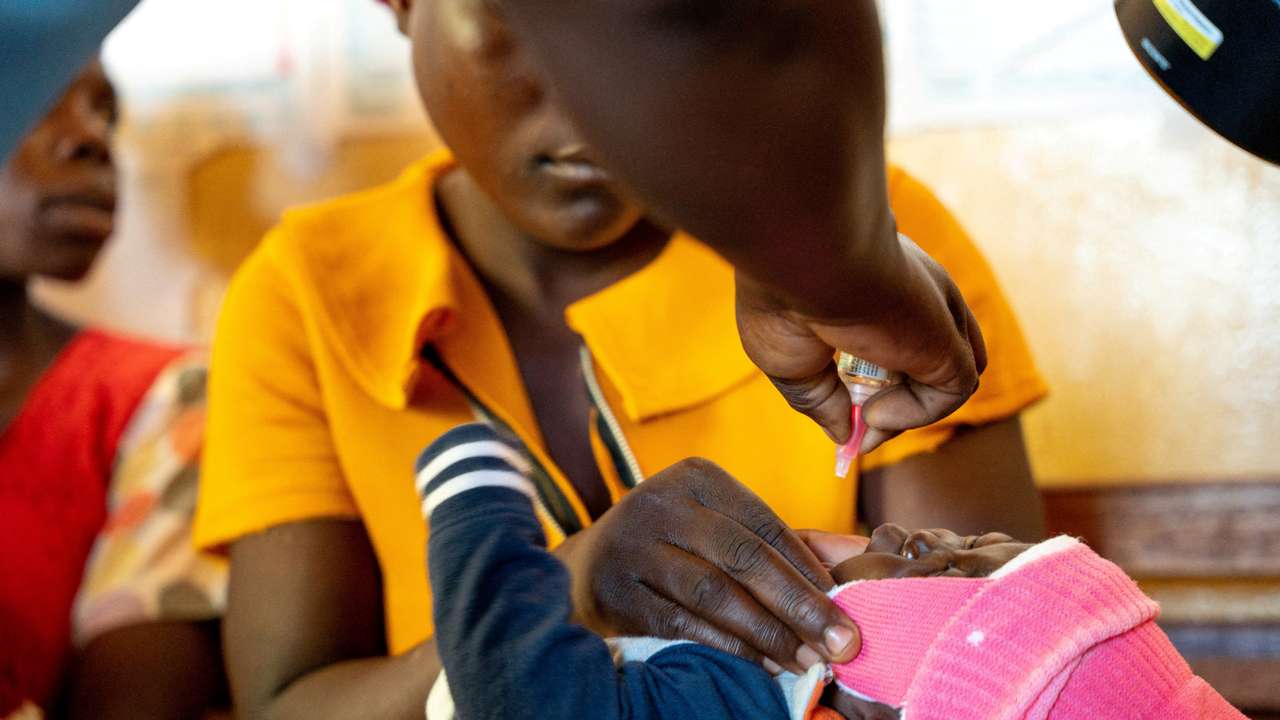
The United States and Malawi have signed a five-year health agreement worth $936 million, setting new terms for how US health aid will be delivered and how much responsibility Malawi will take for funding and running its own health system.
The deal, signed under the US government’s America First Global Health Strategy, focuses on protecting Americans from global disease threats while helping countries like Malawi become more self-reliant. Under the agreement, the United States plans to provide up to $792 million over five years, subject to congressional approval, to support Malawi’s fight against HIV/AIDS, malaria and other infectious diseases, as well as strengthen disease surveillance and outbreak response.
Malawi, in turn, has committed to increasing its own health spending by $143.8 million over the same period. US officials say this shared financing model is designed to reduce long-term dependence on foreign aid and ensure that gains made during the agreement can be sustained after it ends.
A key focus of the deal is Malawi’s progress against HIV. The country is close to achieving the global 95-95-95 targets, which aim for 95% of people living with HIV to know their status, 95% of those diagnosed to receive treatment, and 95% of those on treatment to achieve viral suppression.
The agreement is meant to help Malawi maintain these gains through integrated health services that the government will eventually manage and fund itself.
RECOMMENDED FOR YOU
Niger women pray for peace amid France tensions
This story is written and edited by the Global South World team, you can contact us here.