Angola Roundup: Floods, education, mining discoveries
Floods
Heavy rains in Luanda, the capital city of Angola have left many homes flooded and properties destroyed. Angola 24 Horas reported that major roads in the city were clogged leading to traffic in the area. Luanda authorities announced emergency prevention measures to minimize the impact of the rains, which have been problematic for the country. However, health authorities fear an increase in endemic diseases associated with the rains.
Development potential
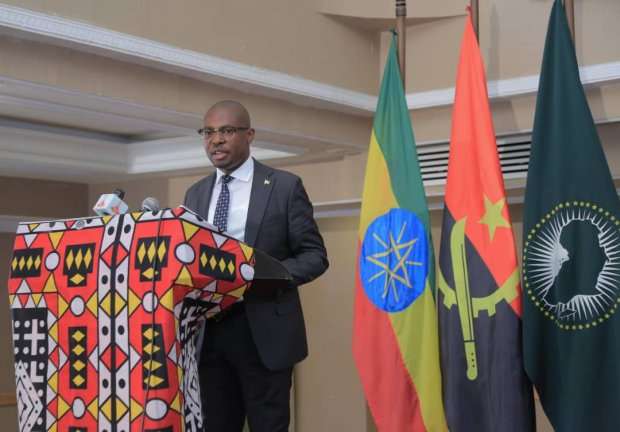
The Jornal De Angola reports that the Angolan ambassador to Ethiopia and Permanent Representative to the African Union (AU) and UNECA, Miguel Bembe has expressed optimism about Angola’s developmental potential. Speaking during a workshop on Foreign Investment opportunities in Angola while commemorating the 48th anniversary of the Independence of the country, Miguel Bembe said Angola is a strategic location for a young entrepreneurial and resilient population.
RECOMMENDED FOR YOU

Six countries account for three-quarters of Europe’s unicorn startups
Mining discoveries
The Angolan President, João Lourenço, has visited the Luaxe mining project, located in Lunda Sul, which is considered the third largest kimberlite in the world, as it has reserves estimated at 350 million carats and a useful life span of 30 years, local news outlet Opais reports. The president inaugurated the mining project which has a 1,500 worker capacity.
Energy sector reforms
The Economic Intelligence Unit (EIU) has projected an increase in the gas supply and oil production in Angola. Oil production is expected to increase in the medium term as the government attracts new investments, Angola 24 Horas has said. Reforms in the energy sector which include cutting rates and joint ventures between local and foreign countries are also expected to happen to allow an increase in oil production to about 1.4 million barrels a day by 2028.
Education
Local authorities in Angola have expressed concern over the dropout rate of children in the municipality of Ganda in Benguela. With a rate of about 23%, authorities have also expressed worry about the lack of classrooms to absorb students who study in places considered inappropriate by the authorities, Opais reports.