Are world leaders leaving office older or younger?
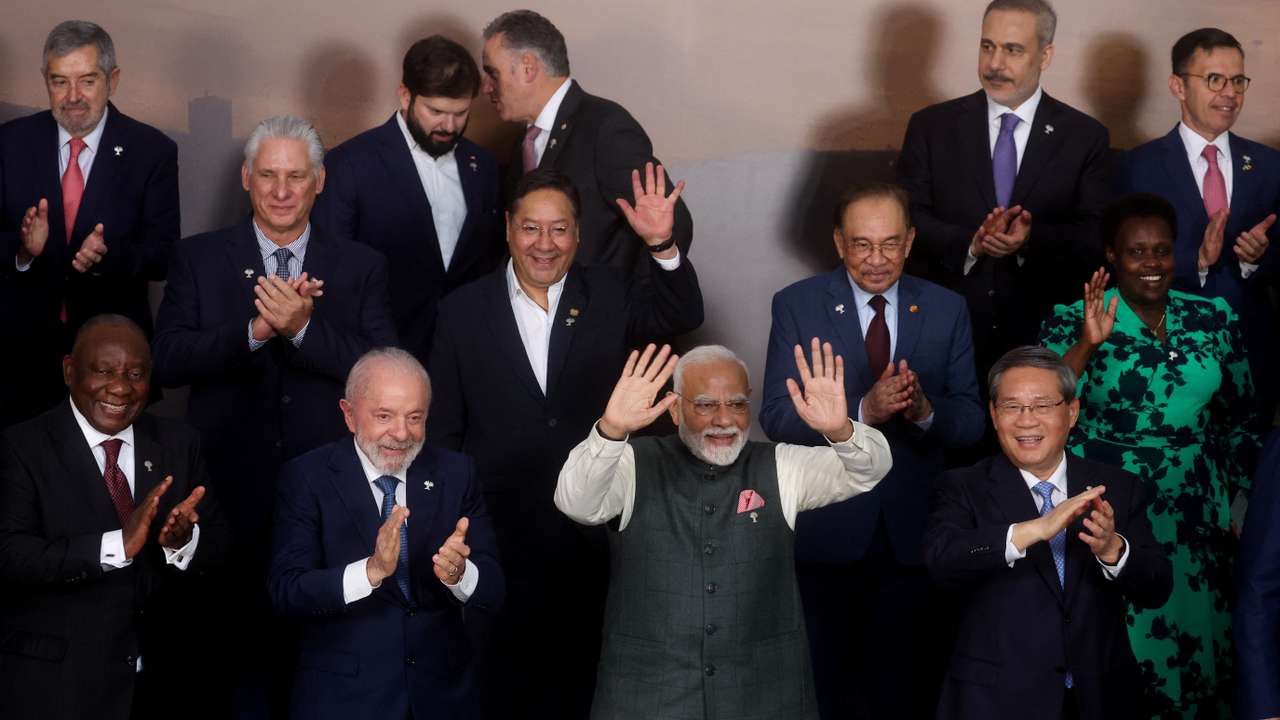
Our research suggests that world leaders are getting younger, but some countries are bucking the trend. The United Kingdom, France, Australia, Italy, and Colombia exhibit a gradual shift toward younger leaders relinquishing power compared to earlier generations. In contrast, the United States, Nigeria, India, Egypt, Brazil, and parts of Asia are trending in the opposite direction, with leaders increasingly leaving office at older ages.
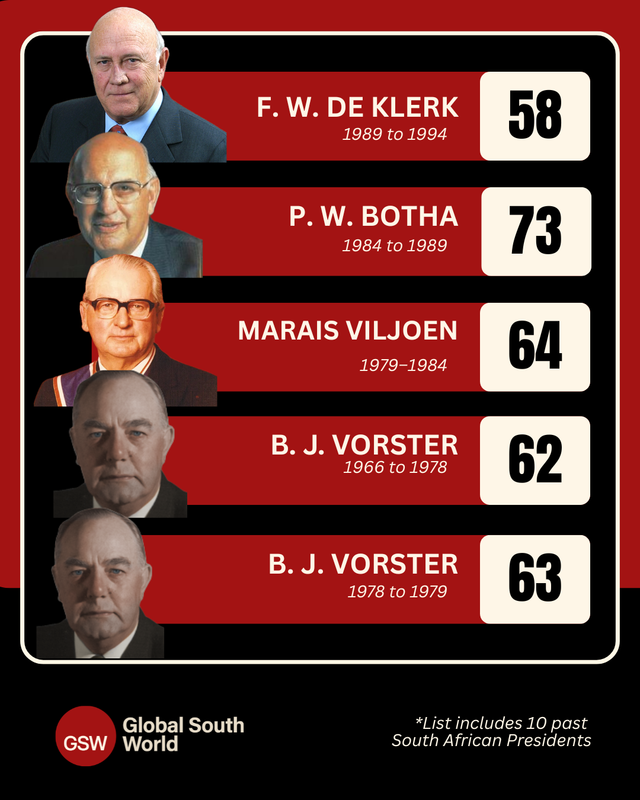
An analysis by Global South World of the last 10 heads of government or state in 20 countries across the Americas, Africa, Asia, and Europe shows that most leaders left office in their 50s, 60s and 70s with relatively few departing before age 50.
The findings align with broader global research showing that the median age of world leaders is around 62.
The global age distribution
Across the countries studied, i.e. Argentina, Mexico, Brazil, Colombia, Venezuela, Nigeria, Ethiopia, Egypt, South Africa, India, Pakistan, the Philippines, Vietnam, Thailand, the UK, France, Italy, the USA, Japan, and Australia, leaders overwhelmingly clustered in the middle-to-older age ranges.
30–40 years was extremely rare, 41–50 years was limited but visible, 51–60 years was one of the dominant categories, 61–70 years was the largest concentration, 71–80 years was very common among long-serving leaders, 81–90 years was rare but present, and 91–100 years was exceptionally rare.
RECOMMENDED FOR YOU
‘Peace deal at risk’ – Tensions rise again in Ethiopia’s Tigray
The data suggests that political leadership globally remains heavily tilted toward older elites, especially in countries with entrenched party systems, military influence or long-serving political establishments.
Recent studies have similarly noted that global leadership is ageing, particularly among major powers and long-serving governments.
Which continent had the oldest leaders?
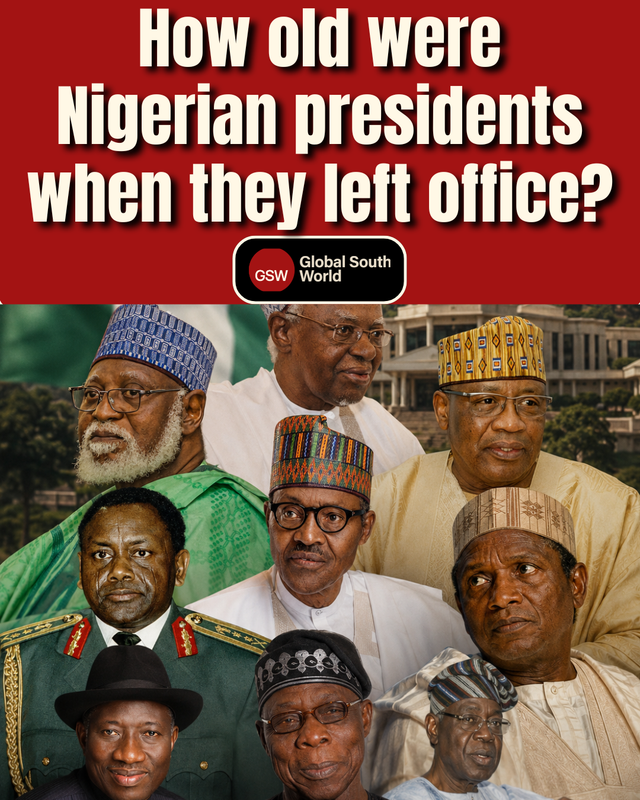
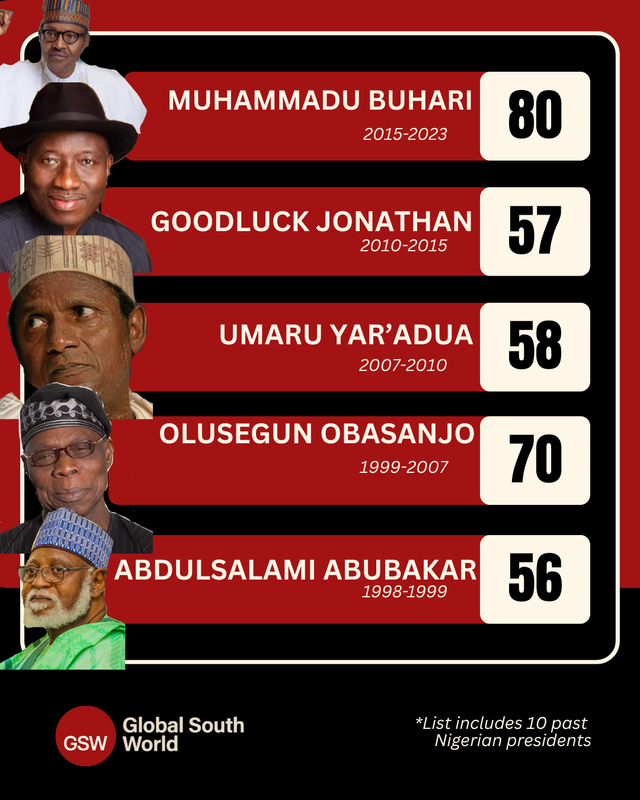
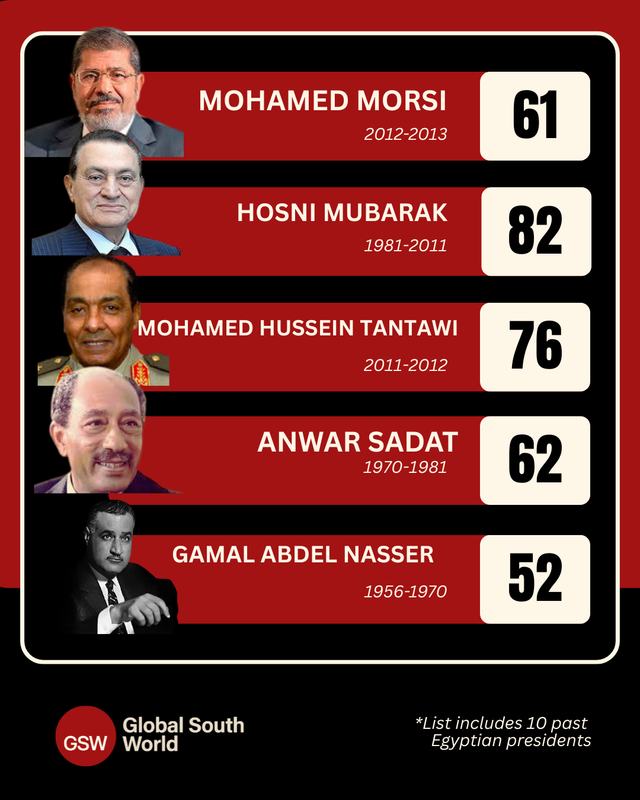
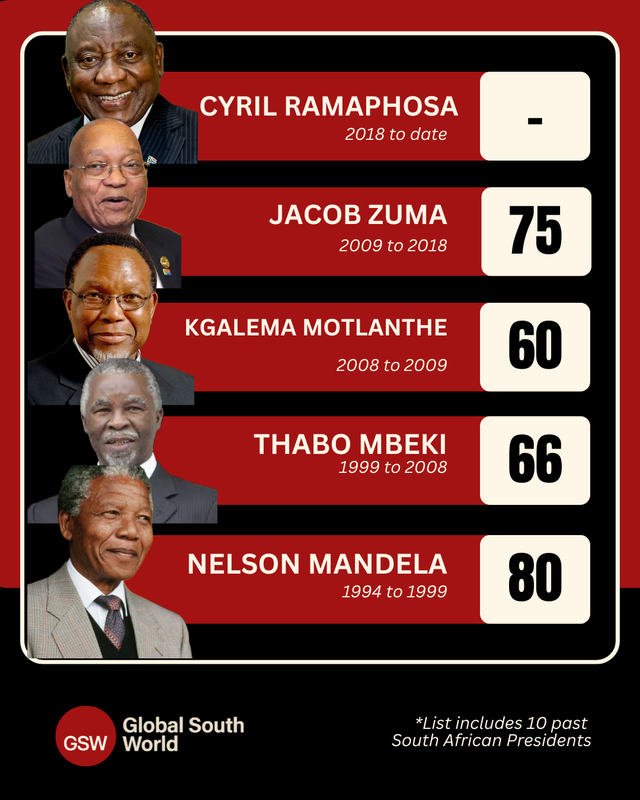
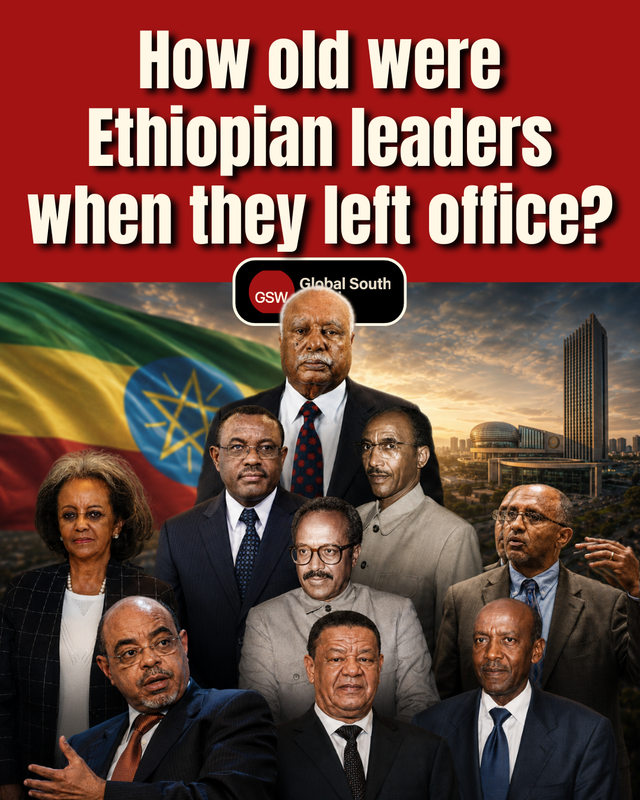
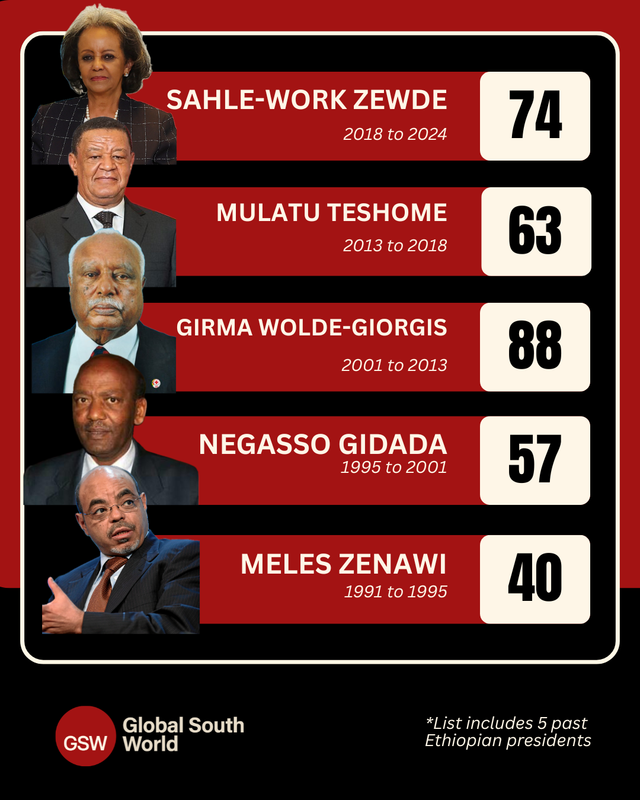
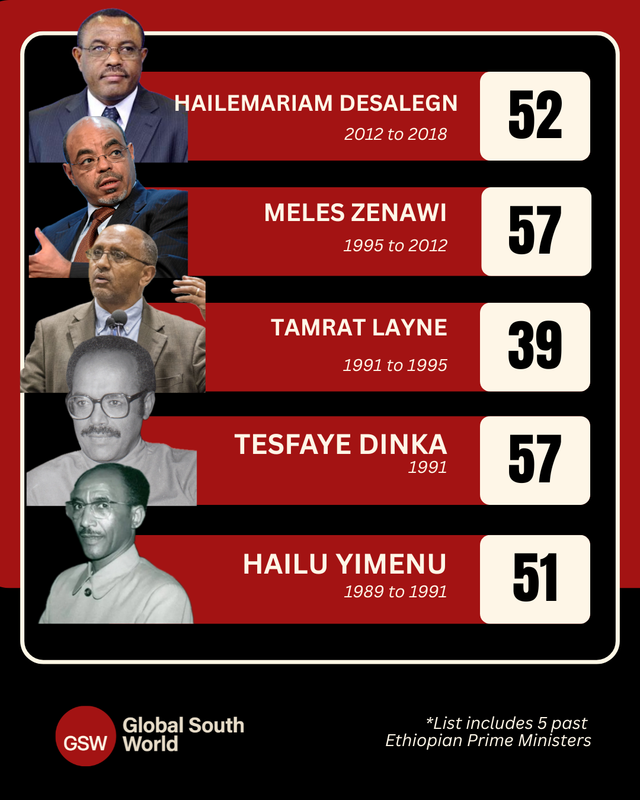
Africa showed some of the oldest exit ages among former leaders. Examples include Hosni Mubarak's departure from power at 82, Girma Wolde-Giorgis's retirement at 88, Nelson Mandela's resignation at 80, and Muhammadu Buhari's retirement at 80 in 2023.
Africa also had some younger military-era exits, including Buhari’s first exit from power at 42 after his military government was overthrown.
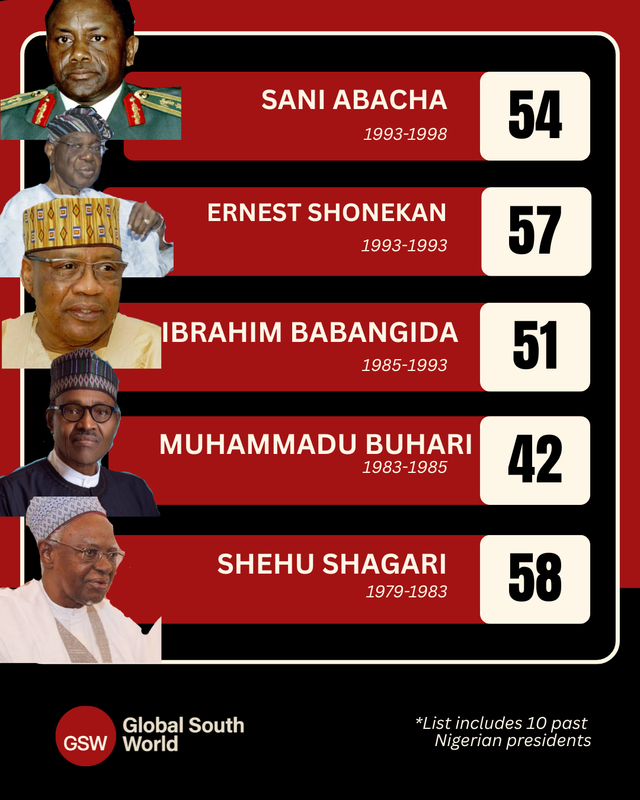


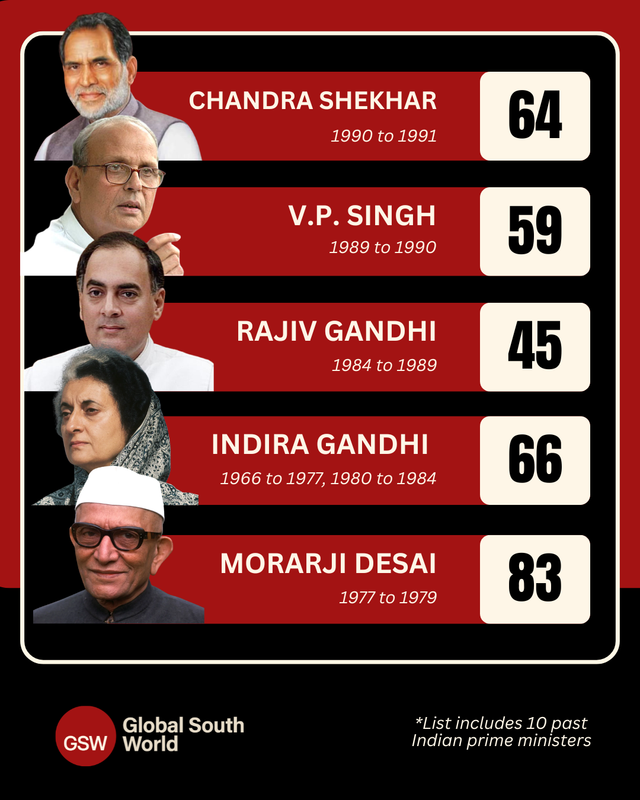
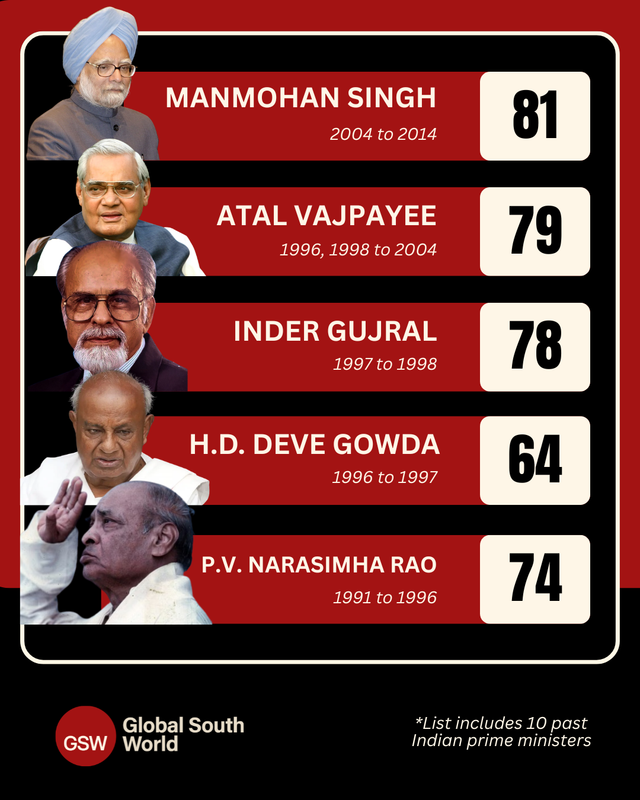
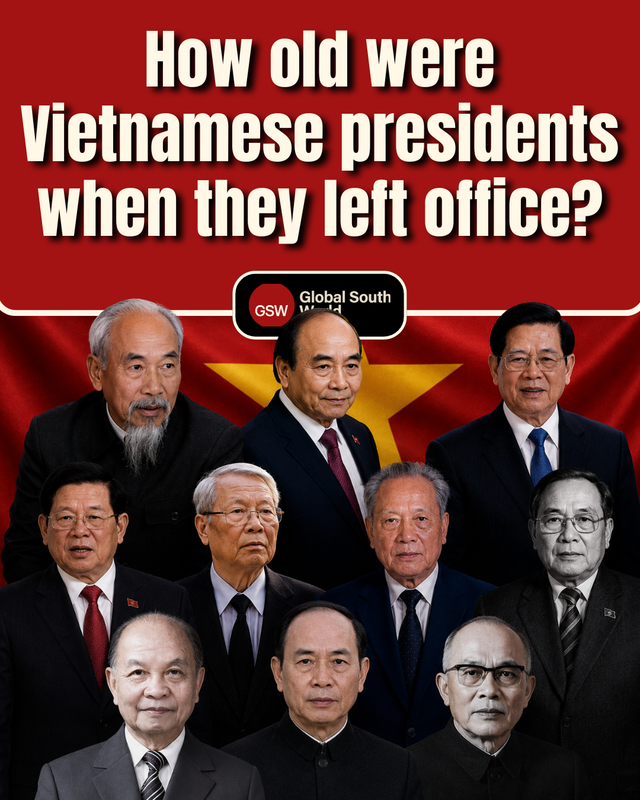
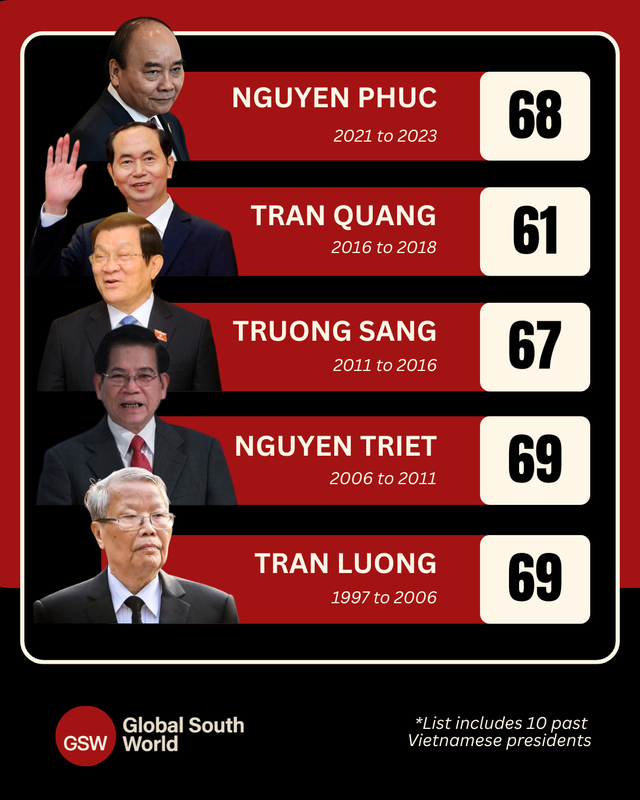
Asia displayed the widest spread of ages. The region included younger exits, such as Benazir Bhutto at 43, mid-career departures like Rajiv Gandhi at 45, alongside very elderly leaders, including Tôn Đức Thắng at 91.
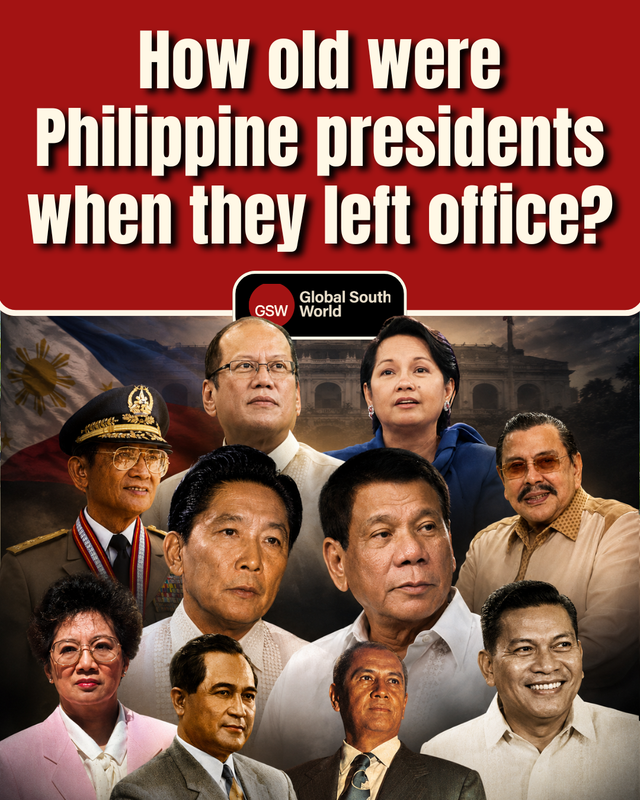
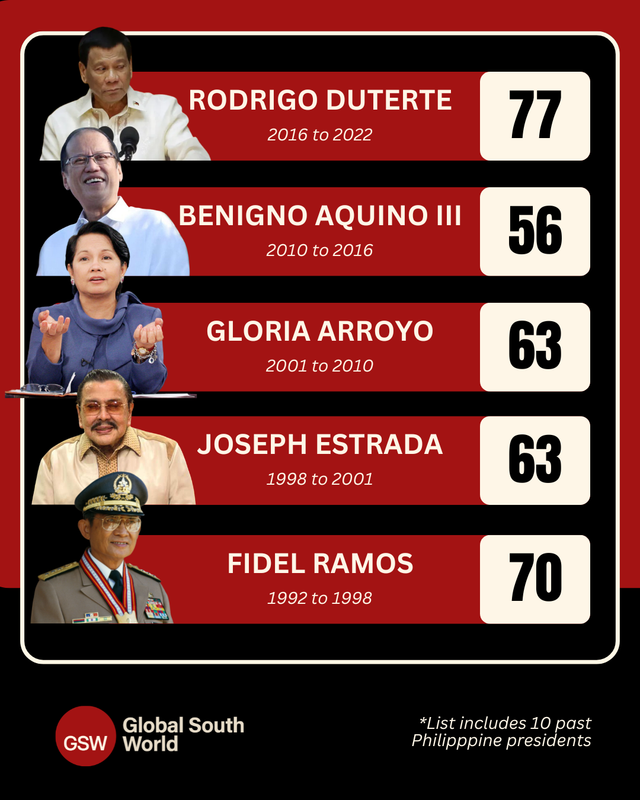
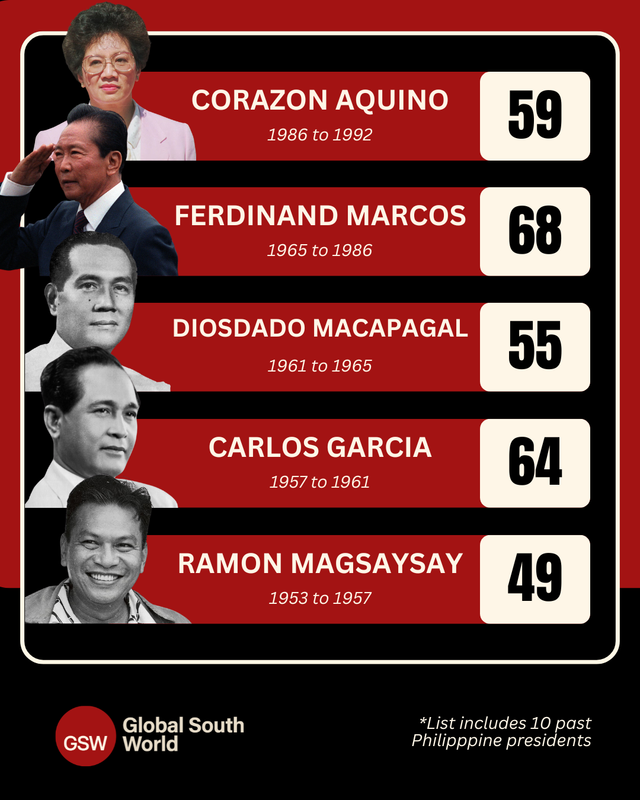
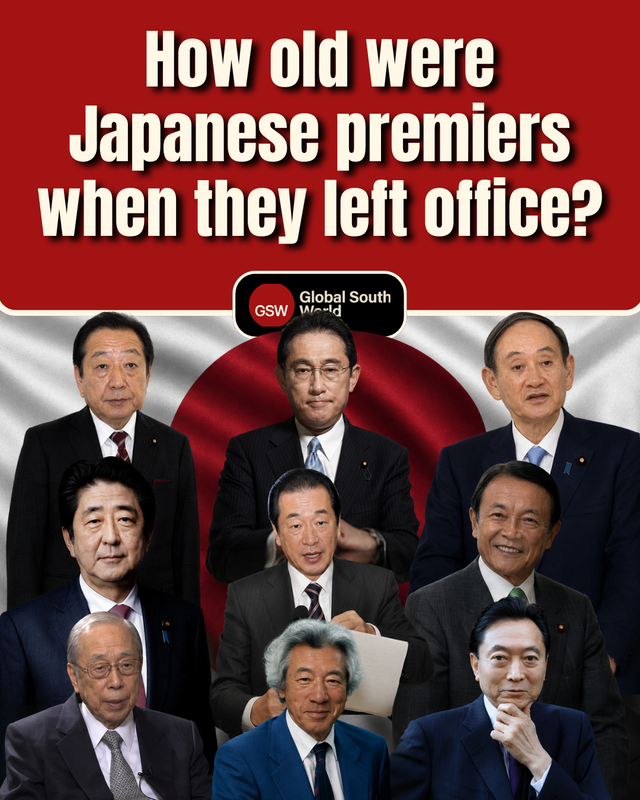
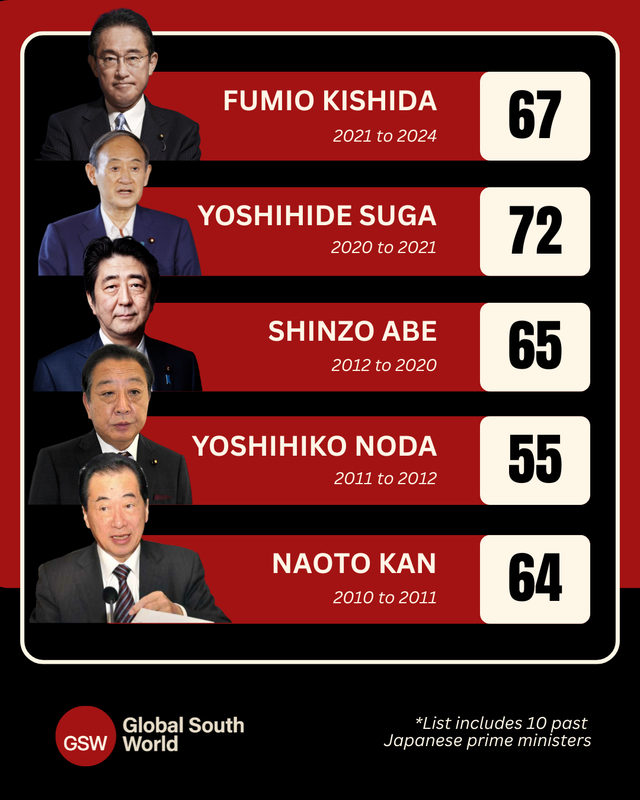
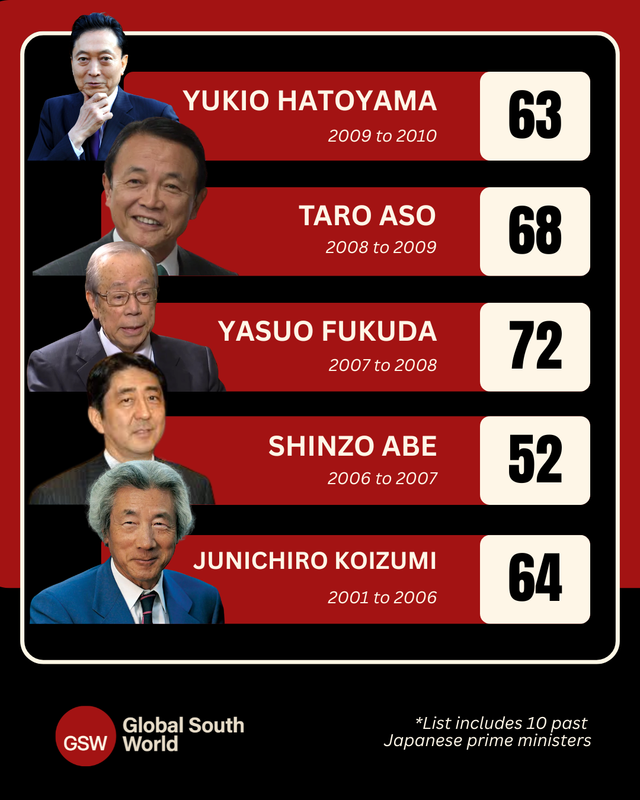
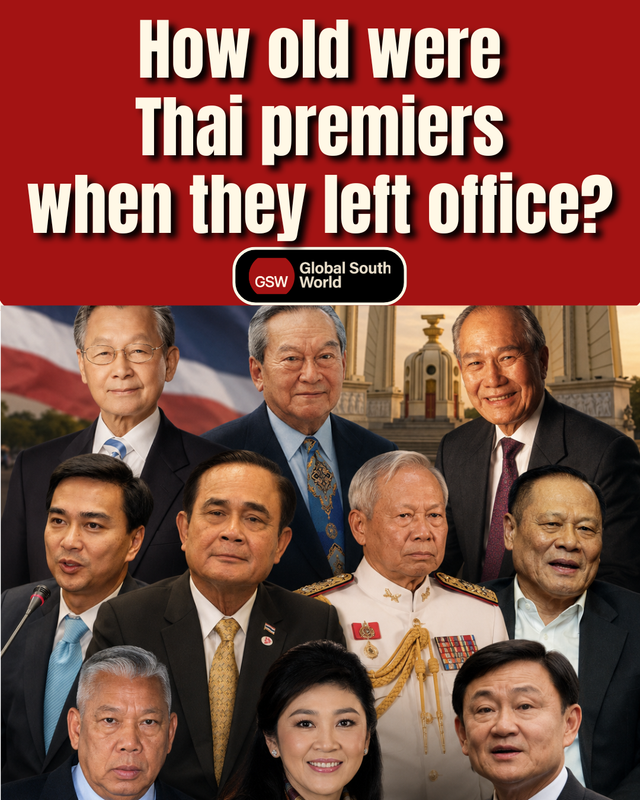
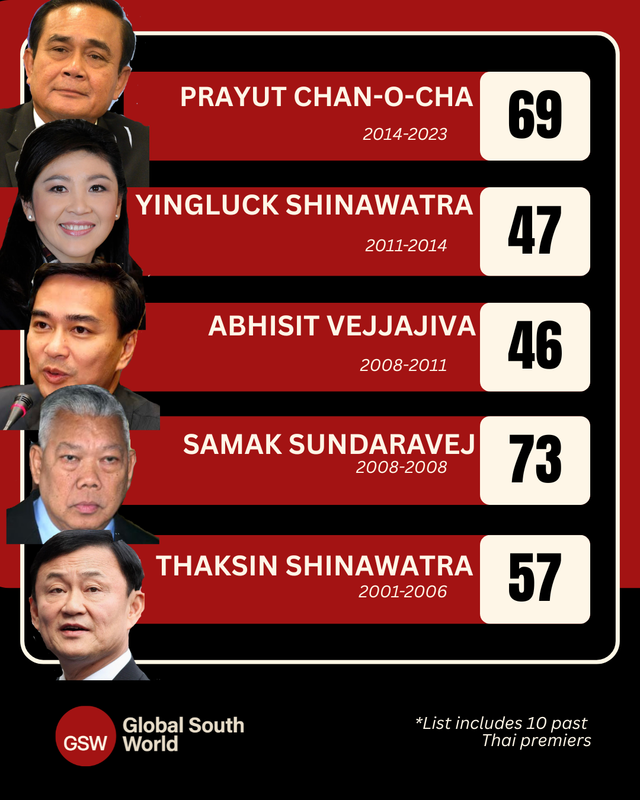
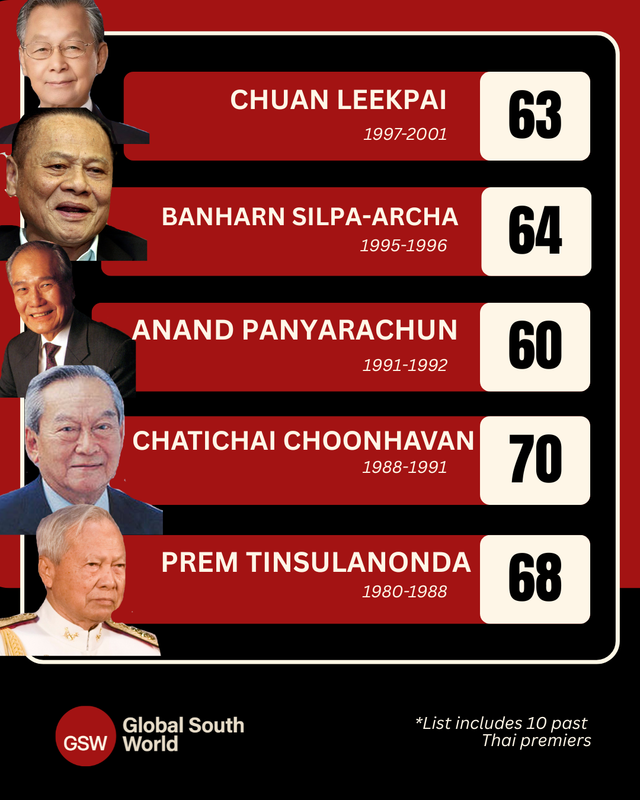
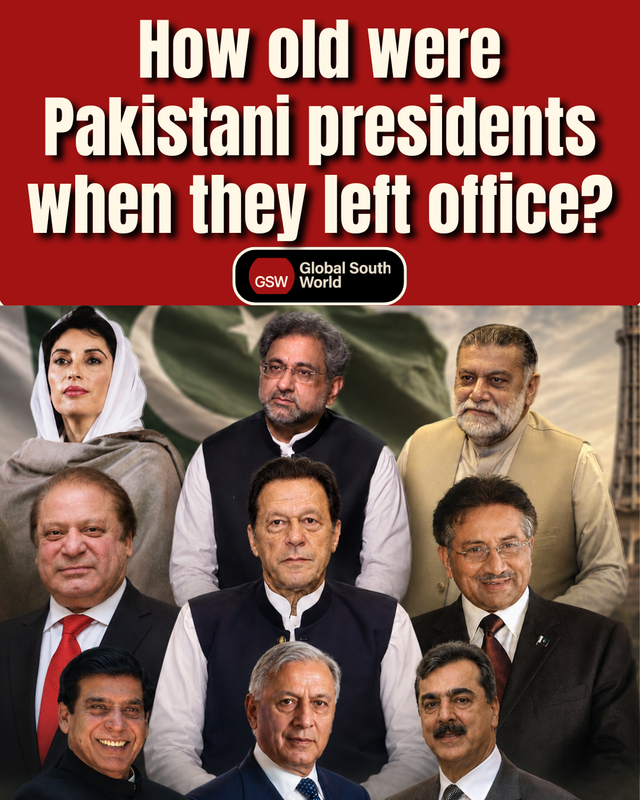
Japan and Thailand stood out for consistently older prime ministers, while Pakistan and the Philippines produced more leaders leaving office in their 40s and 50s.
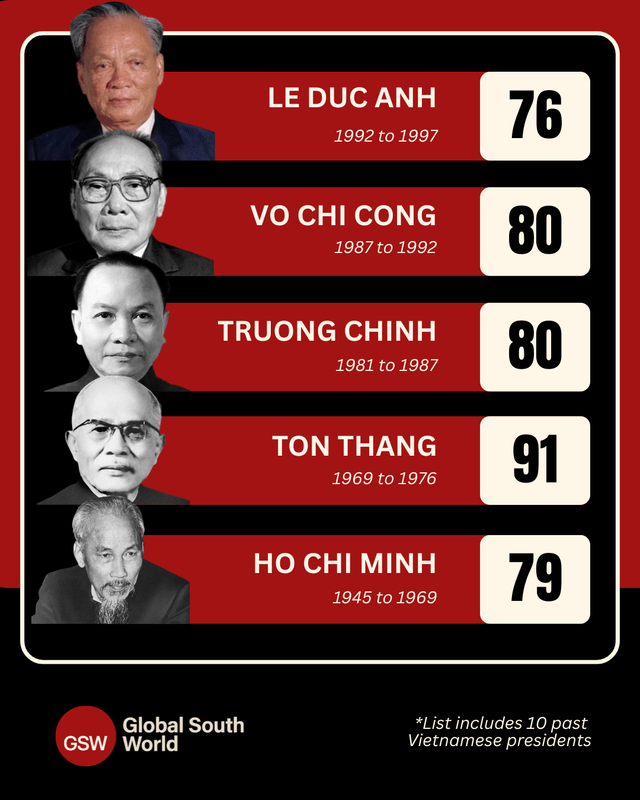
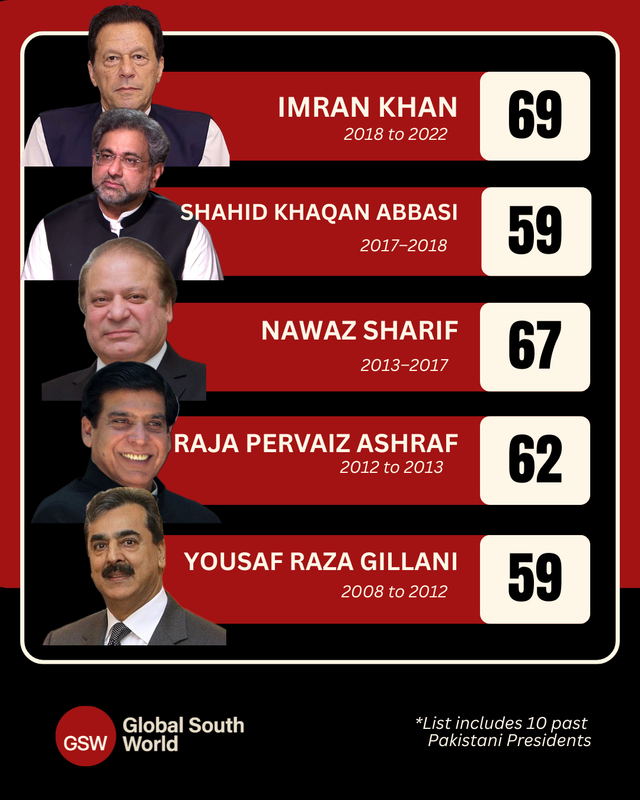
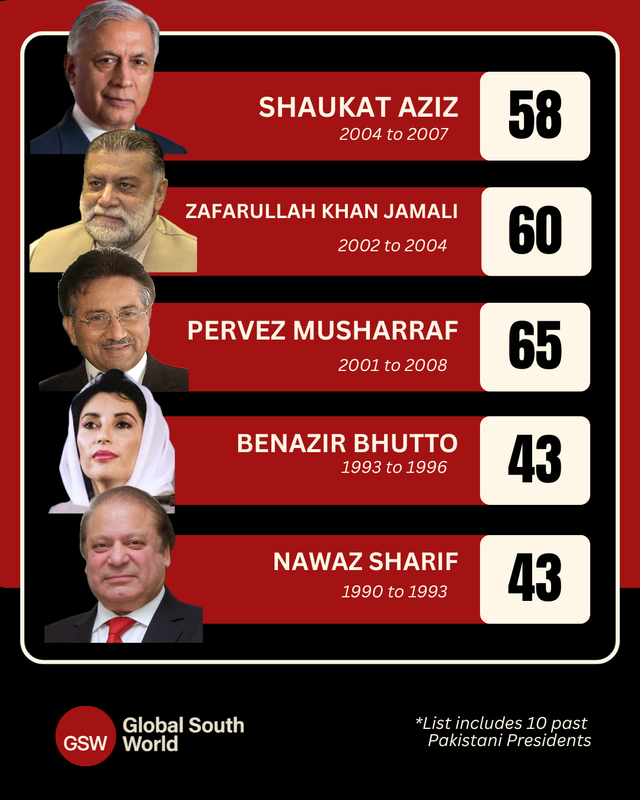
Europe appeared comparatively younger overall, with the United Kingdom and France having increasingly produced leaders leaving office in their 40s and 50s. Rishi Sunak left office at 44, David Cameron at 49, and Emmanuel Macron became president at 39, reflecting Europe’s trend toward younger leadership.

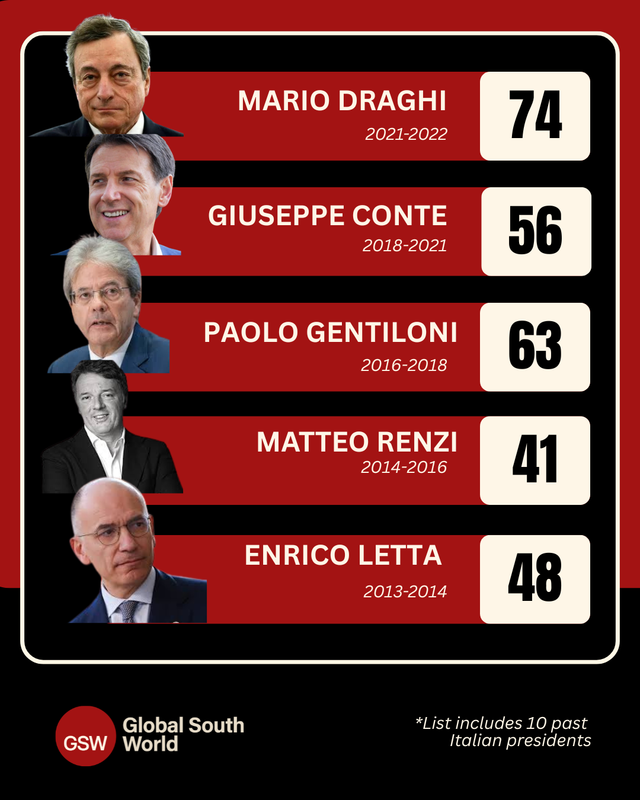
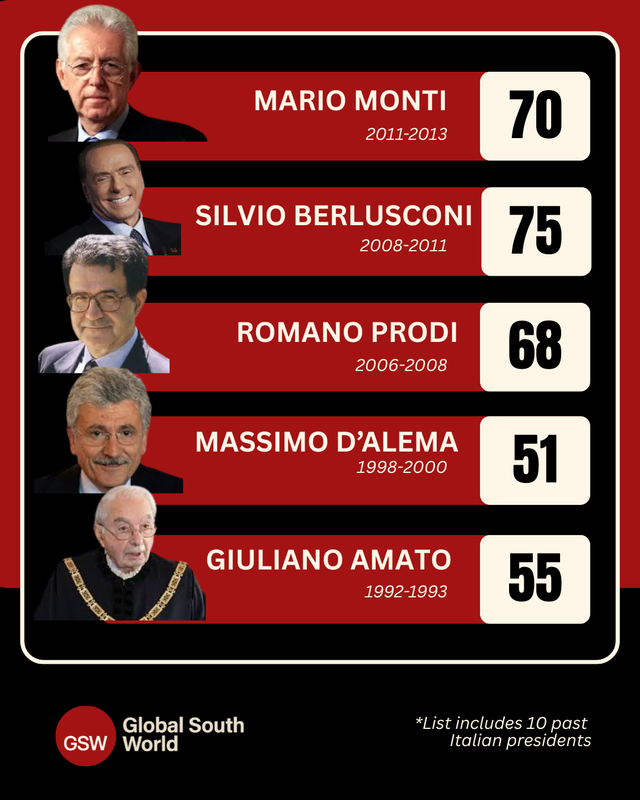
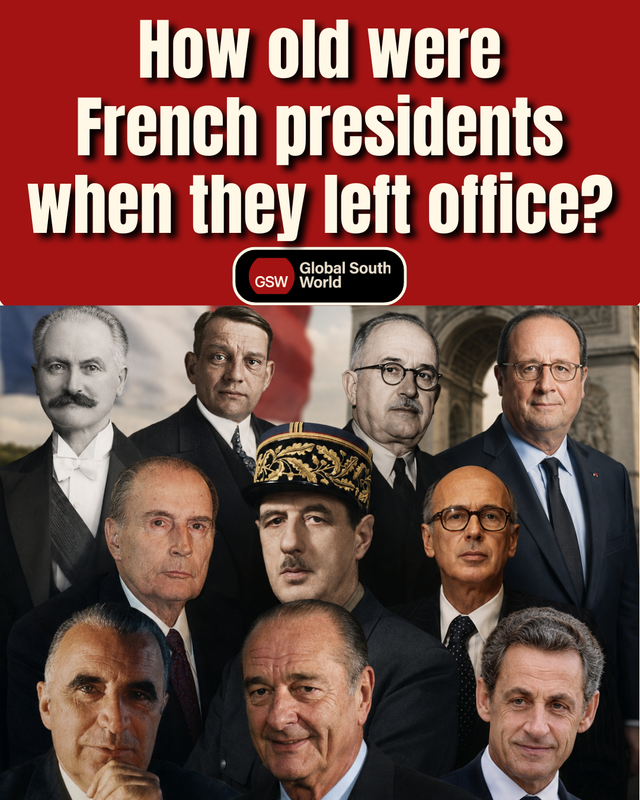
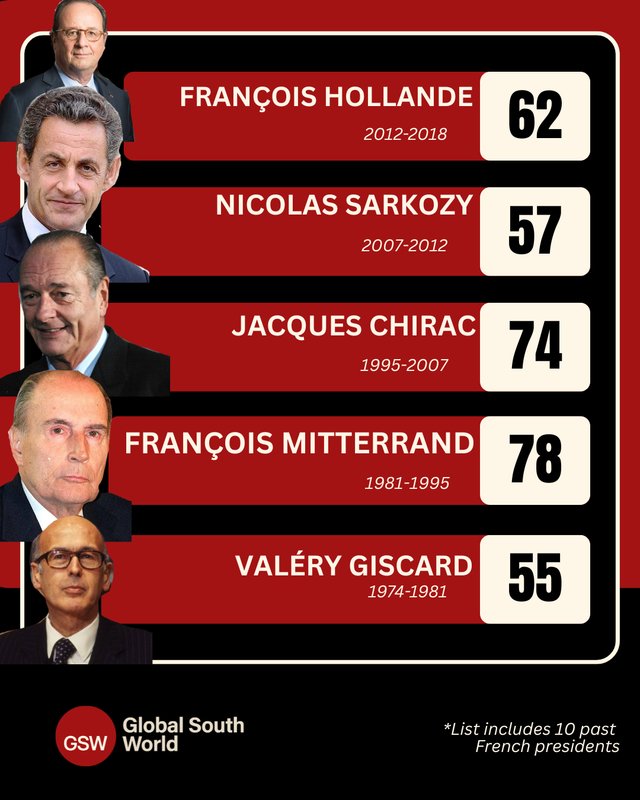
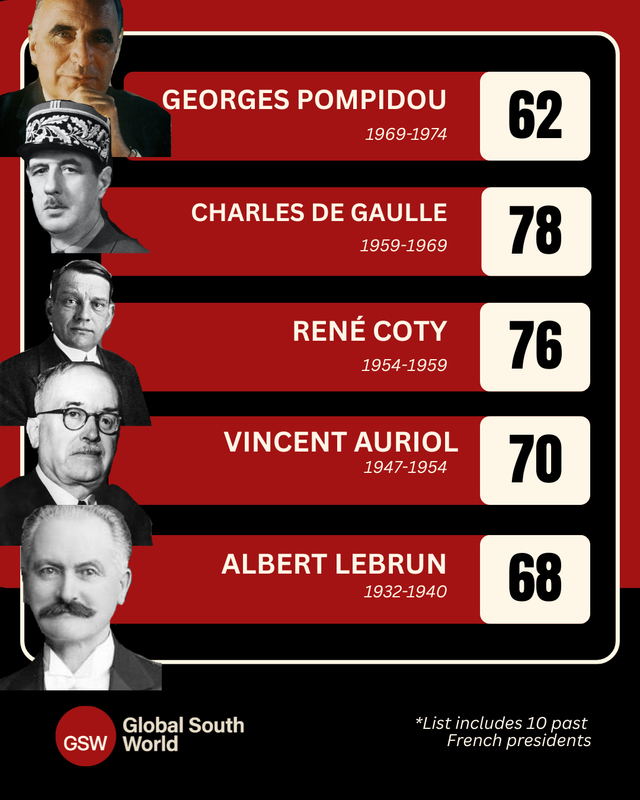
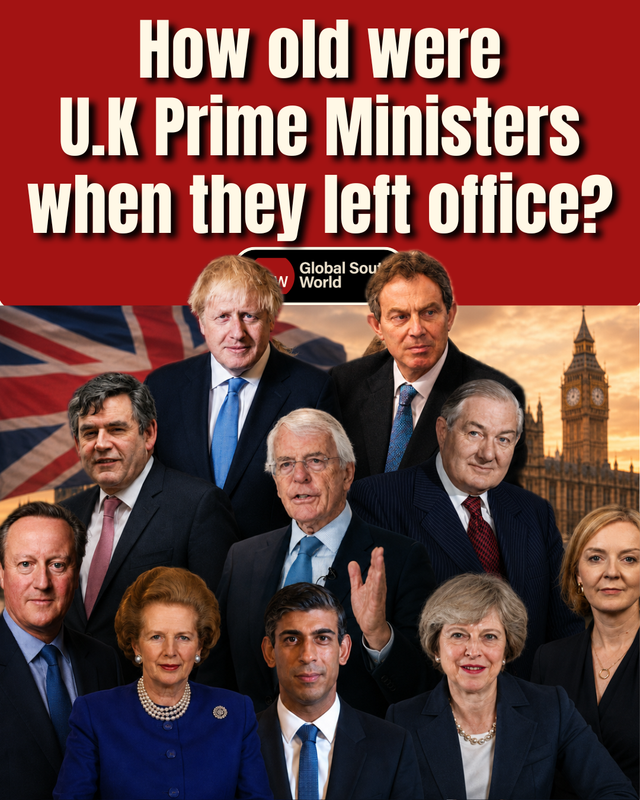
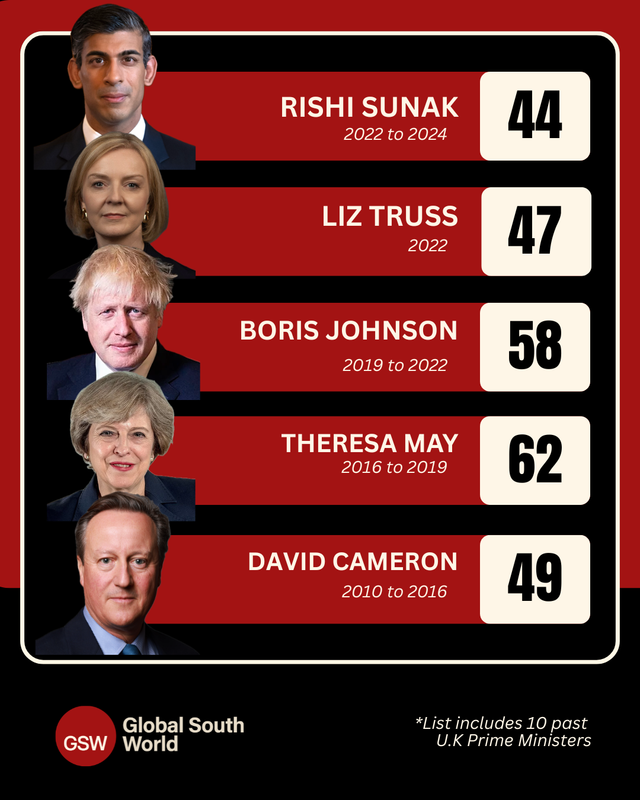
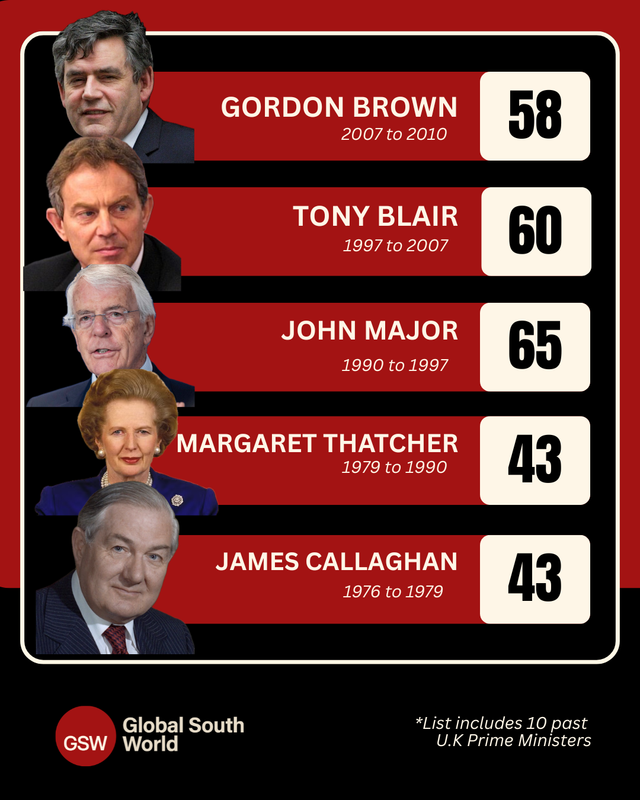
Analysts have noted that European leaders have generally become younger since the 1980s.
RECOMMENDED FOR YOU

Colombia candidate De la Espriella promises ‘freedom’ at rally

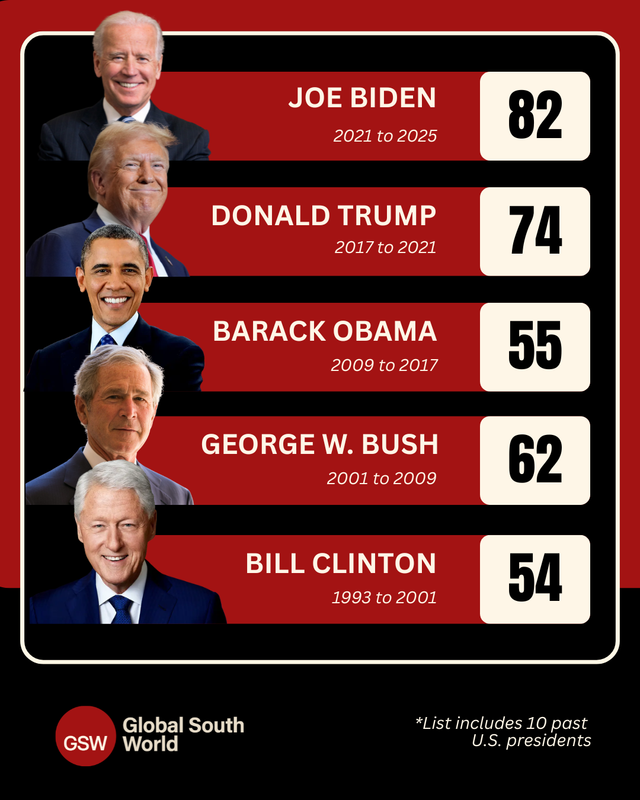
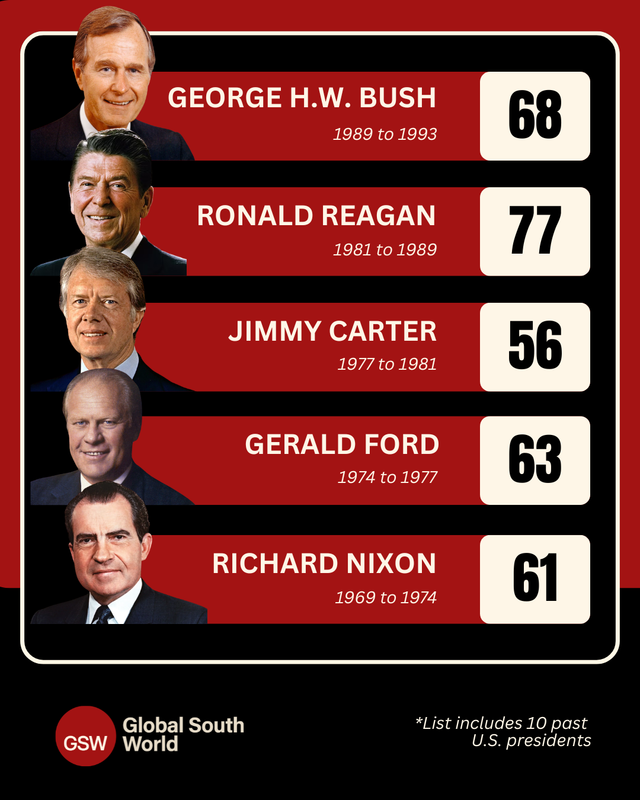
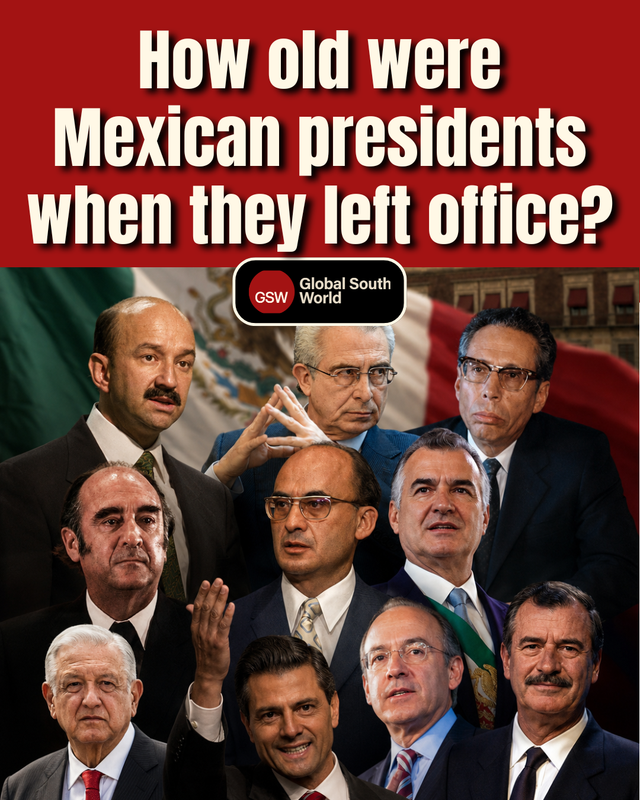
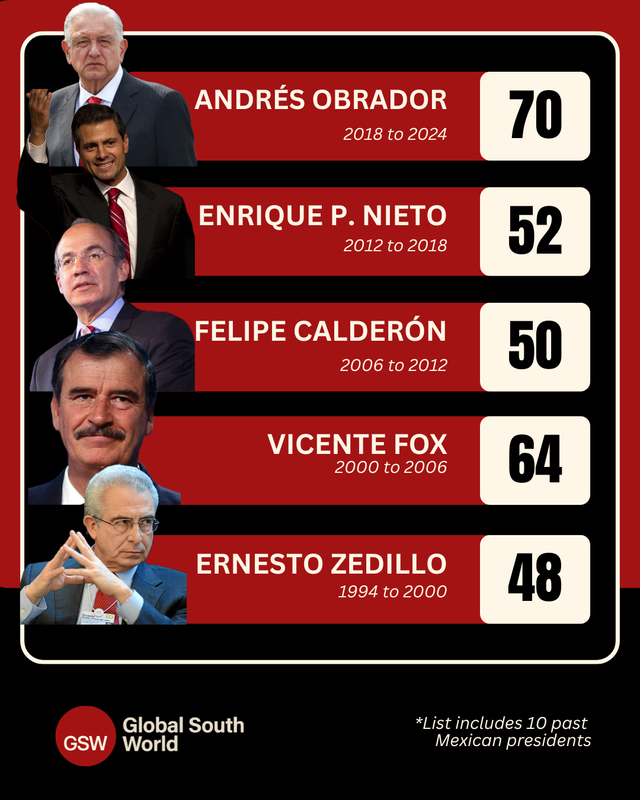
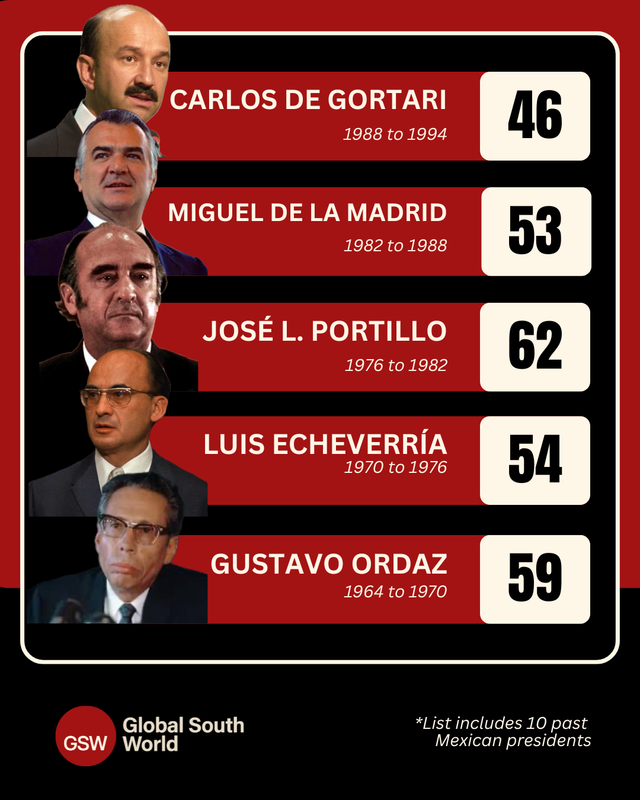
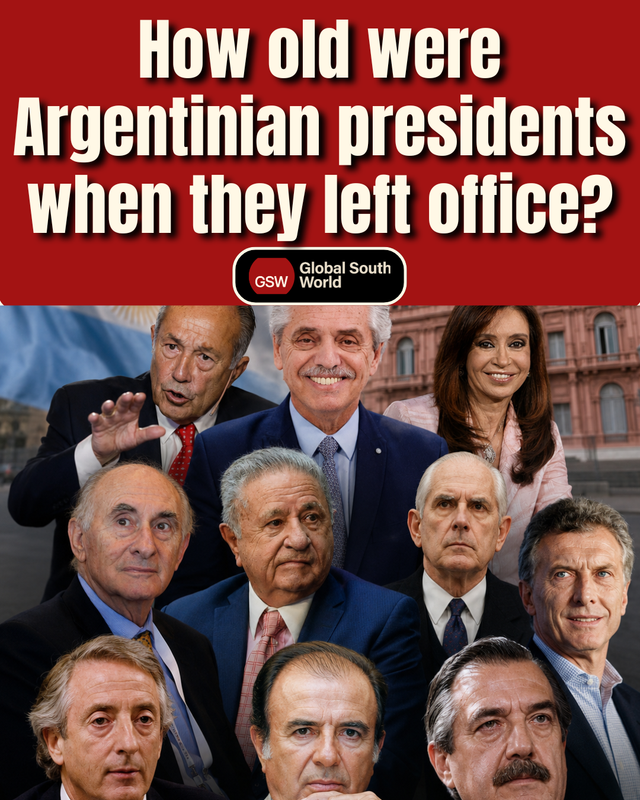
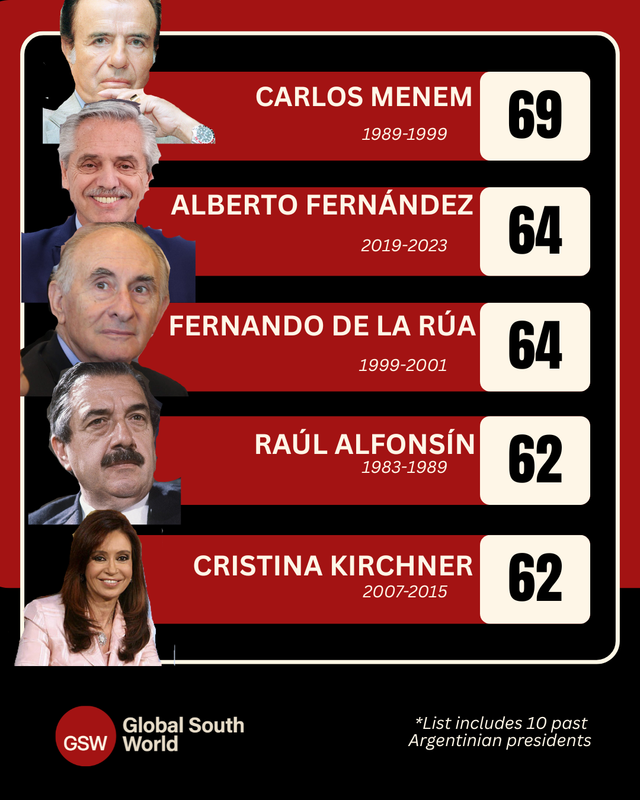
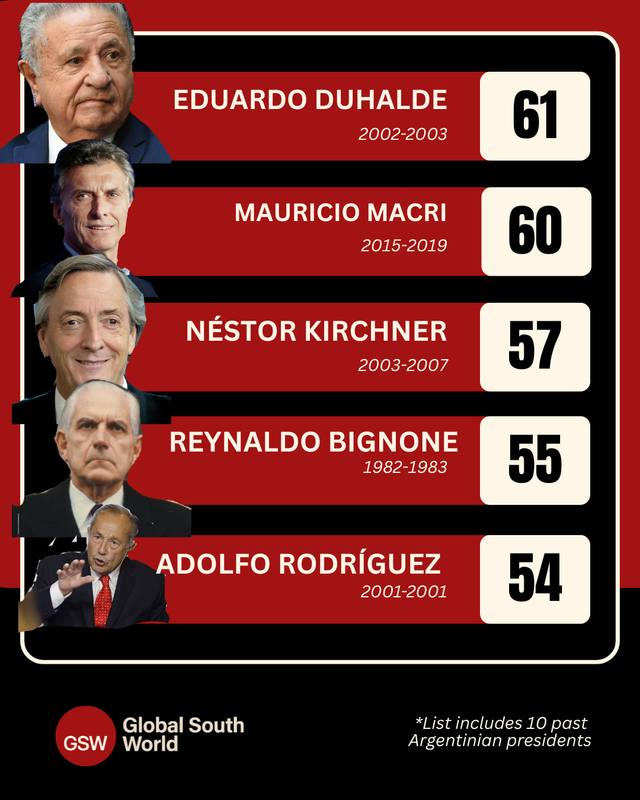

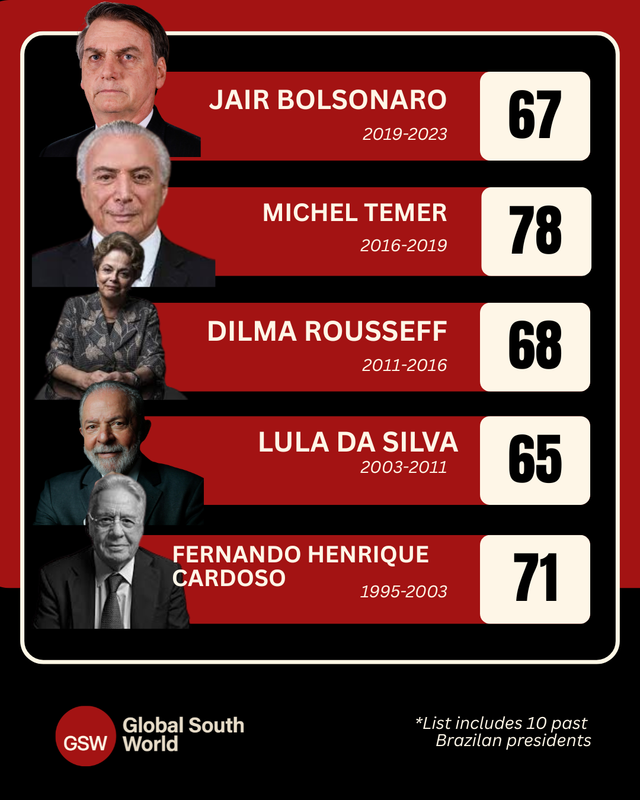
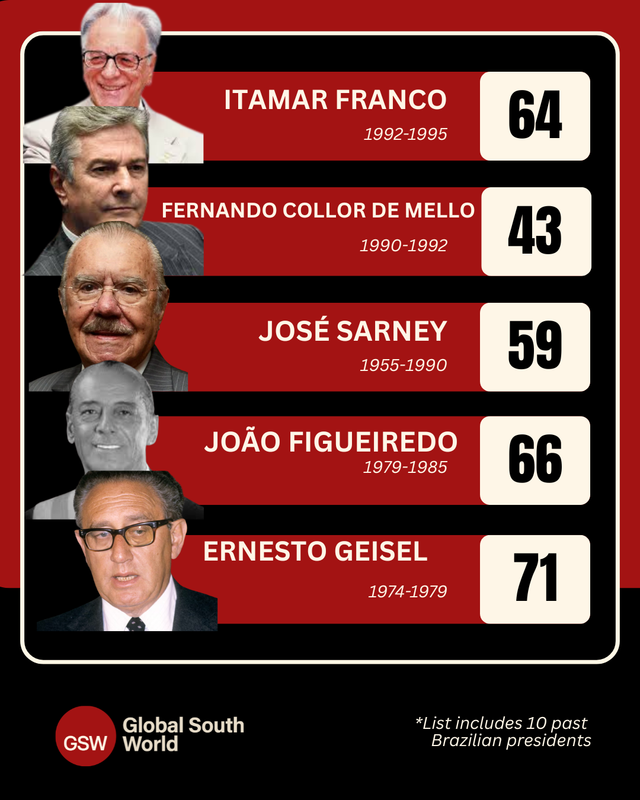
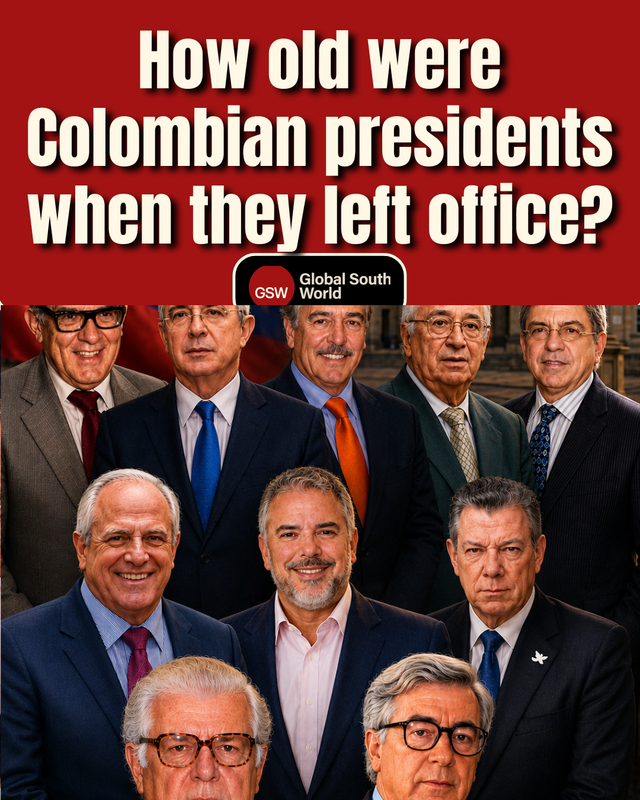
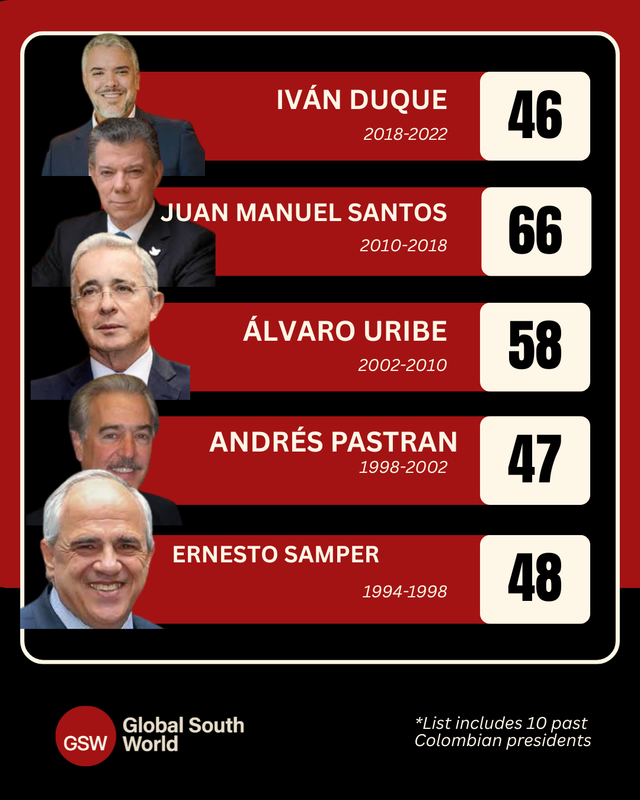
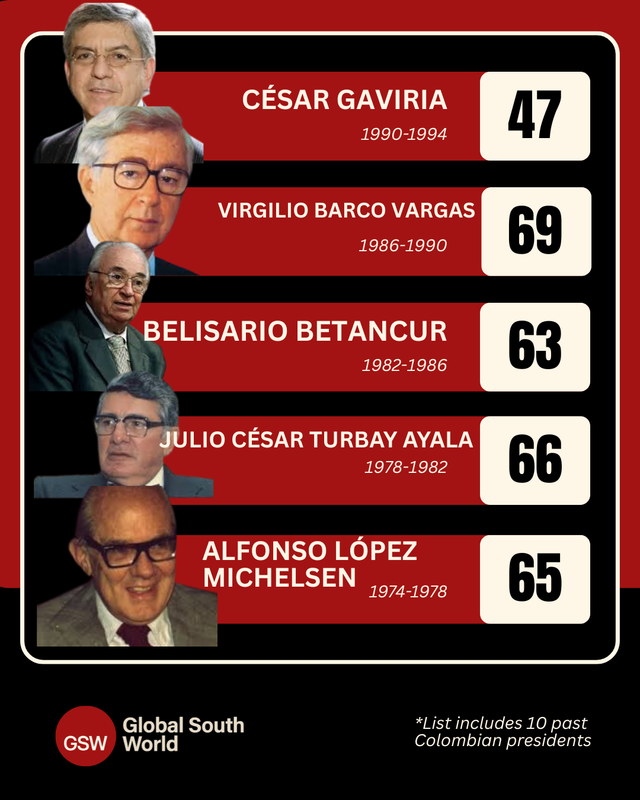

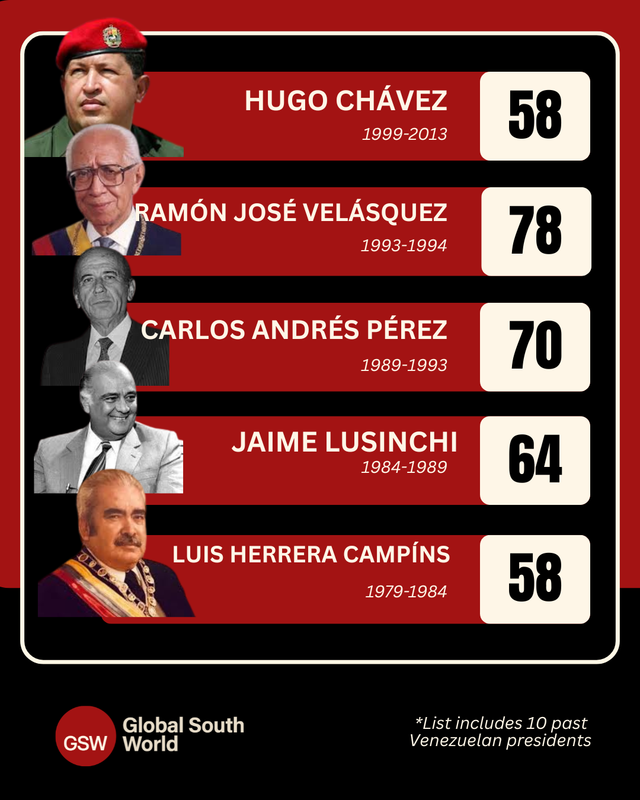
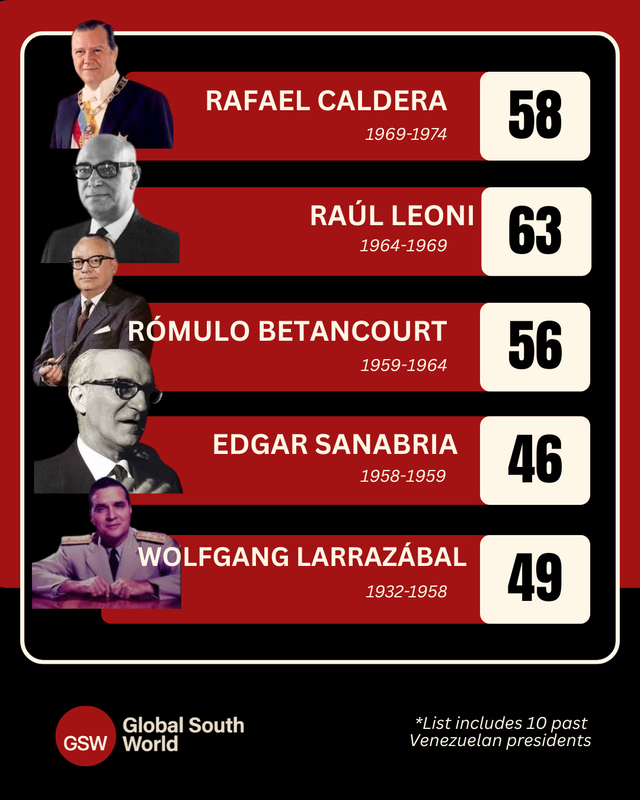
The Americas showed strong representation in the 50–70 bracket. The United States stood out for older leadership, with Joe Biden leaving office at 82 and Ronald Reagan at 77.
Latin America displayed a mix of younger reformists and older establishment figures like Fernando Collor de Mello, who left office at 43, Carlos Menem, who left at 69, and Hugo Chávez, who left office at 58.
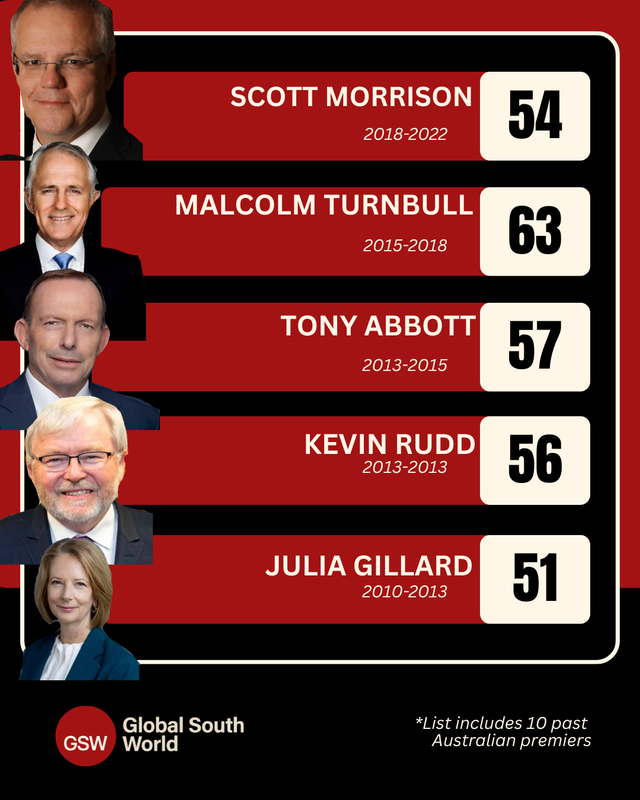
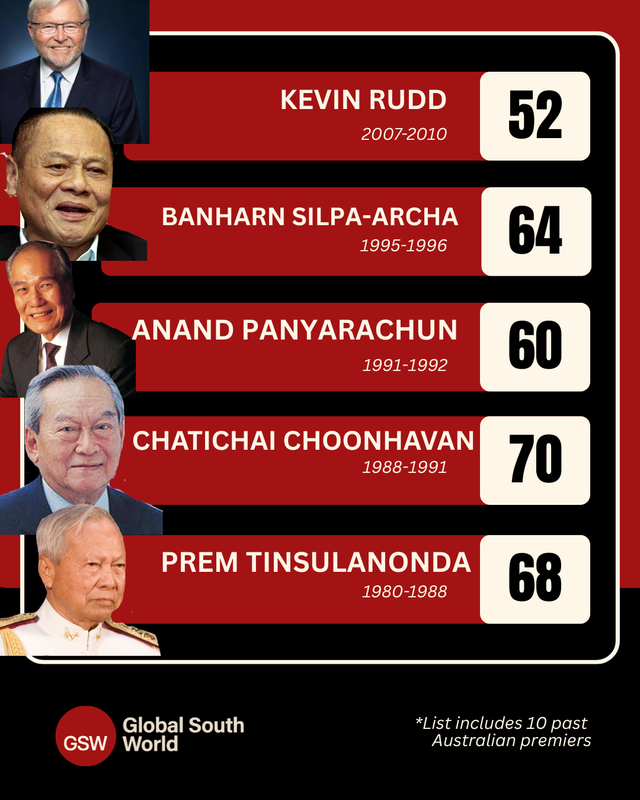
Australia had one of the youngest overall profiles among the countries studied. Most Australian prime ministers left office between the ages of 50 and 65. Julia Gillard at 51, Kevin Rudd at 52 and 56, and Scott Morrison at 54.
Are leaders getting older or younger?
One of the clearest patterns emerged when comparing each country’s older five leaders with its most recent five.
Several democracies are producing younger leaders, such as the United Kingdom, France, Australia, Italy, and Colombia. These countries increasingly see leaders rise quickly through party systems and media-driven politics.
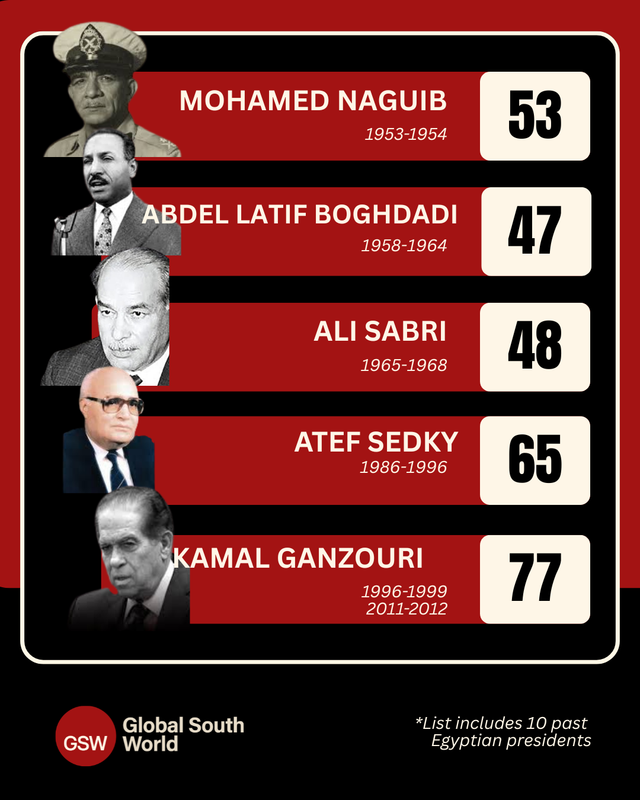
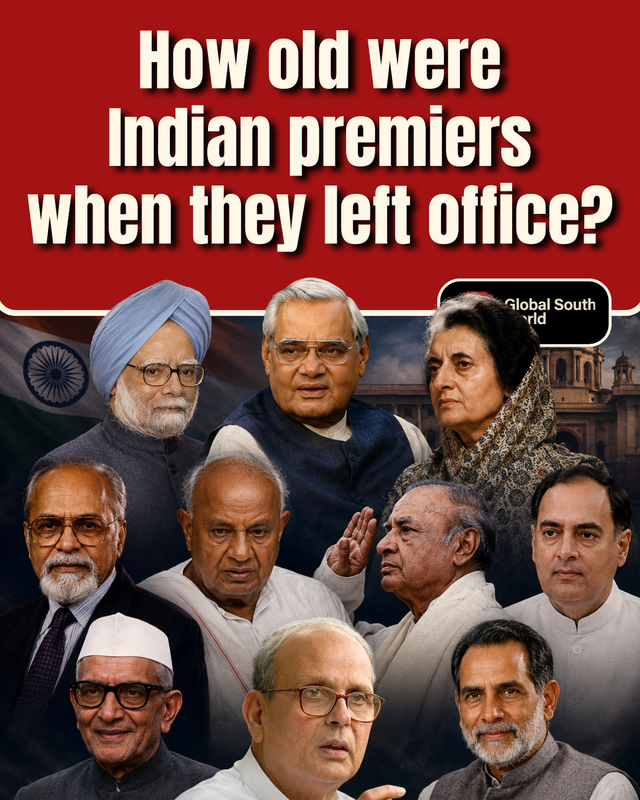
Others show a clear ageing trend, like the United States, Nigeria, Egypt, India, and Brazil.
The United States is the clearest example. Earlier presidents like Bill Clinton and Barack Obama left office in their 50s, while recent leadership has skewed sharply older with Biden and Trump.
Research suggests democracies and autocracies alike are increasingly rewarding experience, incumbency and long-established political networks.
RECOMMENDED FOR YOU
A stalled transformation: Guatemala’s struggle for democratic reform — Opinion
Supporters argue that older leaders bring experience and stability, while critics say ageing political systems risk becoming disconnected from younger populations facing rapidly changing economic, technological and social realities.
The data indicate that leaders in their 60s remain the dominant group in power.
This story is written and edited by the Global South World team, you can contact us here.