Argentina Roundup: Joining Trump’s ‘Board of Peace’, bill to lower criminal responsibility age, nuclear plant overpricing

Joining Trump’s ‘Board of Peace’
President Javier Milei’s administration is preparing to submit Argentina’s proposed participation in former U.S. President Donald Trump’s so-called “Board of Peace” initiative to Congress, a move that could open intense political debate. The decision reflects Milei’s broader effort to realign Argentina’s foreign policy and deepen ties with conservative international partners, particularly in Washington. Lawmakers are expected to scrutinise both the legal basis and diplomatic implications of joining such a body, especially as Argentina continues negotiations with international creditors and multilateral institutions. Opposition figures are already signalling concerns about sovereignty and the country’s traditional multilateral posture, while government allies frame the proposal as part of a new global engagement strategy.
Alleged nuclear plant overpricing
A senior figure close to President Milei is under mounting political pressure following allegations that contracts linked to Argentina’s nuclear facilities were overpriced. The claims have triggered calls for transparency from opposition parties and civil society groups, who argue that the controversy undermines the administration’s anti-corruption rhetoric and fiscal discipline agenda. Government officials have responded cautiously, stressing that investigations are ongoing and that no conclusions have yet been reached. Nonetheless, the affair has complicated Milei’s efforts to portray his government as sharply different from previous administrations, especially as energy policy and public spending remain politically sensitive issues in a country battling inflation and budget constraints.
RECOMMENDED FOR YOU
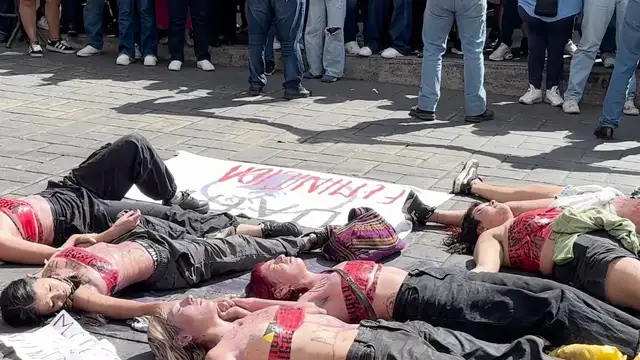
Mexican students disrupt independence parade to demand justice over femicide
Governor protests Federal takeover of Ushuaia port
Political tensions between Argentina’s federal government and provincial leaders escalated after Milei placed the strategically located Ushuaia port under trusteeship. The governor of the southern province has publicly condemned the decision, accusing Buenos Aires of overreach and arguing that the move threatens local autonomy and economic interests tied to maritime trade and tourism. Federal authorities, however, maintain that the intervention is necessary to restore order and proper administration at the port, which is a critical gateway for Antarctic logistics and shipping routes. The dispute is likely to intensify in Congress and the courts, adding another layer to Milei’s already contentious reform agenda.
Bill to lower criminal responsibility age
President Milei has introduced legislation aimed at lowering the age of criminal responsibility, part of a broader push to tighten security policies amid public concern about crime. Supporters say the bill would modernise Argentina’s justice system and deter youth involvement in violent offences, positioning it as a necessary response to social insecurity. Critics, however, warn that the proposal risks criminalising vulnerable minors and failing to address root causes such as poverty and lack of access to education.
Overpricing claims
The nuclear-sector controversy deepened after reports that officials were removed in connection with the alleged overpricing, further intensifying scrutiny of Milei ally Reidel. The dismissals have raised questions about whether the government is attempting to contain political fallout or signalling a tougher stance on accountability within state-linked energy operations. Analysts note that the episode could have lasting implications for Milei’s governing coalition, particularly as it seeks to maintain public support for economic reforms and privatisation plans.
This story is written and edited by the Global South World team, you can contact us here.