Assad has been sentenced to death — But will he ever face Syrian Justice?
Nearly two years after Bashar al-Assad fled Syria, a court in Damascus has handed the former president one of its most consequential rulings yet: death.
Assad and his brother Maher were sentenced to death in absentia on August 11 for crimes committed during Syria's nearly 14-year civil war, which killed about half a million people. Both fled to Russia after a rebel offensive brought the Assad government down in December 2024.
The court convicted Bashar al-Assad of crimes including premeditated murder, torture, arbitrary detention and crimes against humanity. Six other former officials were also sentenced to death in absentia.
But one member of the Assad family was actually in the Damascus courtroom.
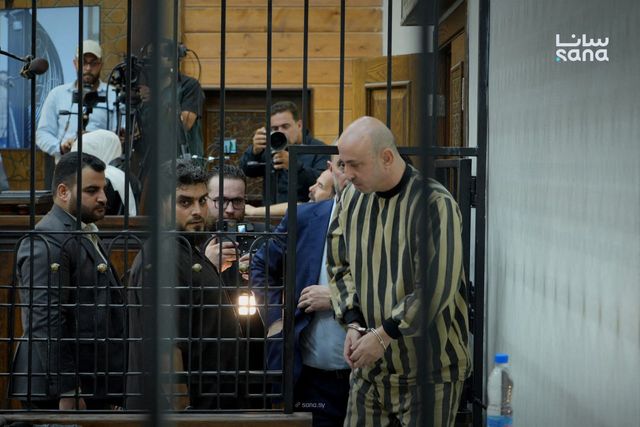
Atef Najib, Assad's cousin and former head of political security in Daraa, stood inside a cage wearing a prison uniform as he received his own death sentence.
RECOMMENDED FOR YOU

Nepal flood death toll rises to 389 as hundreds remain missing
Najib's case takes Syria back to where its uprising began. In 2011, 15 young people were detained and tortured after anti-government graffiti appeared in Daraa. Their treatment helped trigger protests that spread across the country, followed by a government crackdown and a civil war lasting almost 14 years.
For Syria's new authorities, the verdicts are part of a wider effort to hold former Assad-era officials accountable and establish a system of transitional justice.
But the process is already facing scrutiny.
Human rights and legal observers have raised concerns about the speed and fairness of the proceedings. Monitors of Najib's trial reported inadequate legal representation and weaknesses in witness testimony, while questions remain about applying crimes against humanity under Syria's existing legal framework.
Rights advocates who welcomed the move towards accountability have also stressed that future proceedings need to respect fair-trial standards, defence rights and judicial independence.
The challenge is particularly important in a country still dealing with violence after Assad's fall, including killings involving Alawite and Druze communities.
Questions also remain about whether Bashar and Maher Assad will ever face Syrian justice in person. Both remain in Russia, making their sentences largely symbolic unless they are eventually returned to Syria.
This story is written and edited by the Global South World team, you can contact us here.
