Bangladesh Election day: Calm streets, active political discussion
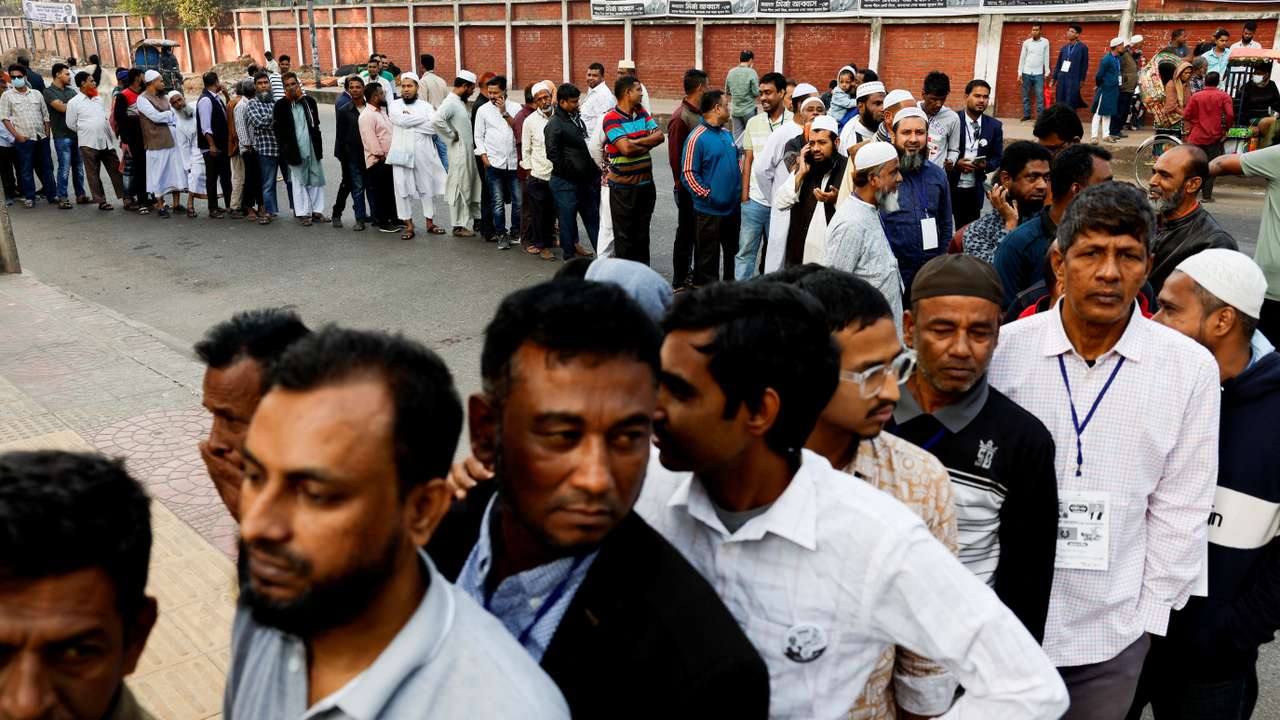
As voting counting continues across Bangladesh in the country’s first general election since the student‑led uprising that toppled former Prime Minister Sheikh Hasina in 2024, daily life in many areas remains largely unchanged, according to a local journalist reporting from the ground.
Bangladeshi journalist, Siad Ahmed, says markets are open, campuses are active and public spaces feel normal, but political interest is noticeably higher than in previous years.
"Interestingly, the election atmosphere is beginning to feel almost festive, and many people are expressing hope for a fair and credible election this time, especially after past controversies," Ahmed said. "That expectation of fairness is shaping much of the public mood, there’s anticipation rather than visible unrest."
Bangladesh’s 2026 election is widely viewed as a defining moment in the nation’s democratic history. It follows months of upheaval in 2024, when widespread protests over quota reform and broader grievances evolved into a national uprising that eventually forced Sheikh Hasina’s 15‑year rule to an end.
Hasina’s party, the Awami League, was barred from participating in the election, and she remains in exile in India. The vote was conducted under an interim government led by Nobel laureate Muhammad Yunus, which has pledged a peaceful and transparent process.
RECOMMENDED FOR YOU
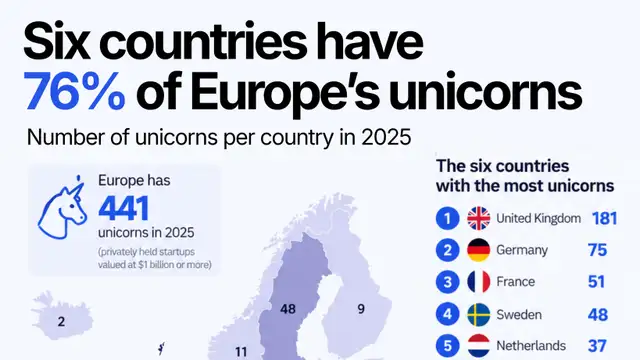
Six countries account for three-quarters of Europe’s unicorn startups
Alongside the parliamentary vote, a referendum on the July Charter, covering 84 clauses to be accepted or rejected as a whole, prompted ongoing debate and discussion among voters, with some expressing uncertainty about the implications of a yes-or-no decision.
"Overall, I would describe the current atmosphere as engaged and anticipatory," Ahmed described. "Life is continuing as usual, but political interest, especially among younger citizens, is noticeably heightened, with cautious optimism surrounding the electoral process."
This story is written and edited by the Global South World team, you can contact us here.