LIVE: Bangladesh begins vote counting after historic post-protest election
Key Takeaways
- Bangladesh’s 2026 election is the first national vote since the ouster of Sheikh Hasina in 2024.
- An interim government is overseeing the 13th National Parliamentary Election and a national referendum on constitutional reforms.
- The Awami League has been banned from political activity and will not participate.
- Major contenders include the Bangladesh Nationalist Party (BNP), Bangladesh Jamaat-e-Islami, and Islami Andolon Bangladesh, alongside smaller parties and independents.
- Approximately 127.7 million voters are eligible: about 64.8 million men, 62.9 million women, and around 1,220 third-gender voters.
- Voting is taking place in 299 constituencies, after one was cancelled due to a candidate’s death. At least 51 political parties are contesting.
- Bangladesh uses a first-past-the-post (FPTP) system to elect 300 members of parliament. An additional 50 seats are reserved for women, allocated proportionally based on party performance.
- Polling runs from 7:30 a.m. to 4:30 p.m. nationwide, using transparent ballot boxes.
- Over 42,700 polling centres and more than 247,000 booths have been set up.
- For the first time, a digital postal voting platform, “Postal Vote BD,” has been introduced for eligible overseas and absentee voters.
- Preliminary results are expected to begin emerging the evening after polls close, with official results announced within 24–48 hours.
Bangladesh is holding a defining general election, the first since the end of former Prime Minister Sheikh Hasina’s 15-year rule, which was brought to an end by mass protest movements in 2024.
LIVE UPDATES
This concludes our live coverage of the February 12 Bangladesh elections. Vote counting is currently in progress. Follow Global South World for further updates as we await the official results from the Bangladesh Election Commission.
10:59 GMT: Polls close in first election after 15 years
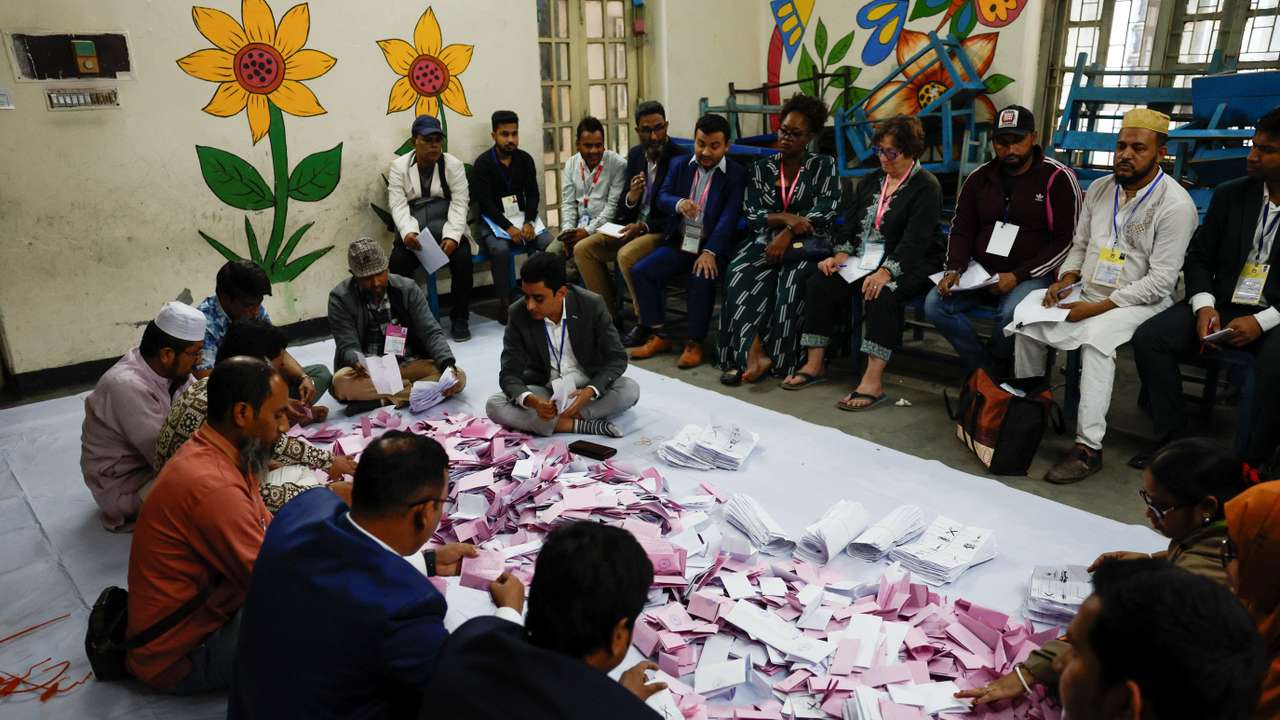
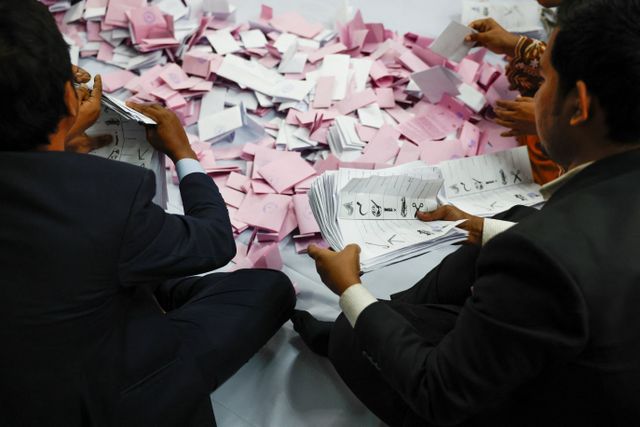
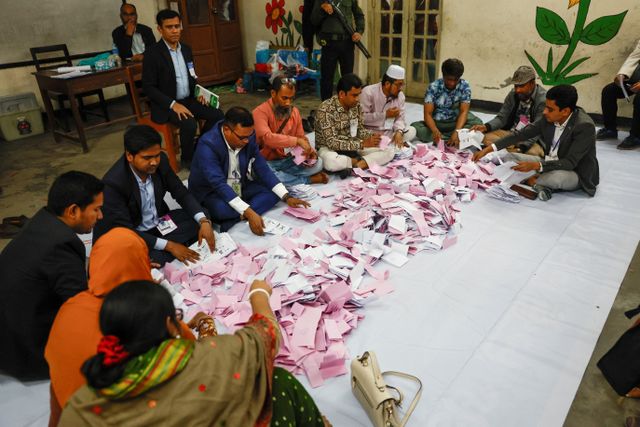
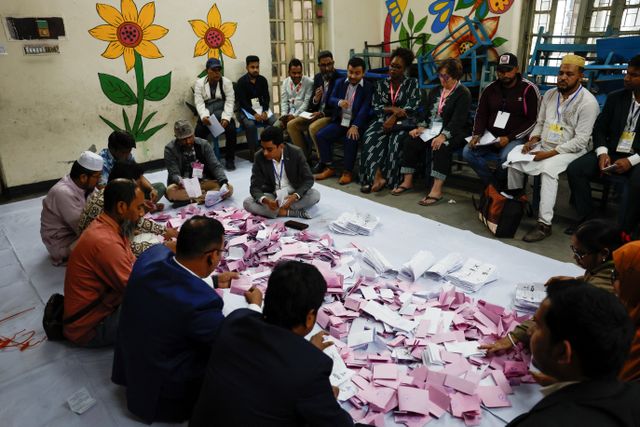
Vote counting is underway in Bangladesh following the nation’s first election since student-led protests led to the ousting of Prime Minister Sheikh Hasina in 2024.
10:10 GMT: What time do polls close?
RECOMMENDED FOR YOU

Six countries account for three-quarters of Europe’s unicorn startups
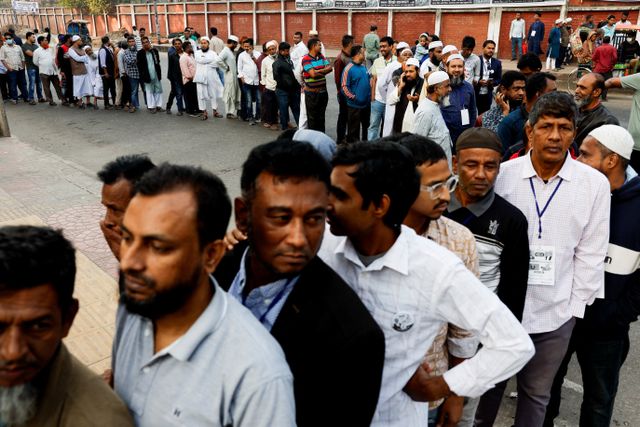
Polls in Bangladesh’s general election will close at 4:30 p.m. local time (10:30 a.m. GMT). While voting began at 7:30 a.m., voters already in line at closing time will still be allowed to cast their ballots.
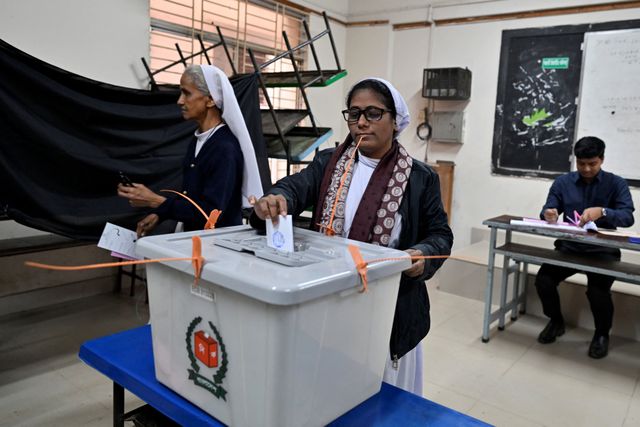
9:45 GMT: Voting continues across Bangladesh as election day progresses
8:00 GMT: Over 1.12 million postal ballots received
By 7:00 a.m. GMT (1:00 p.m. local time), the Bangladesh Election Commission reported that 1,125,382 postal ballots had reached returning officers under the country’s first technology-supported postal voting system. In total, over 1.528 million voters were approved to vote by post in this election.
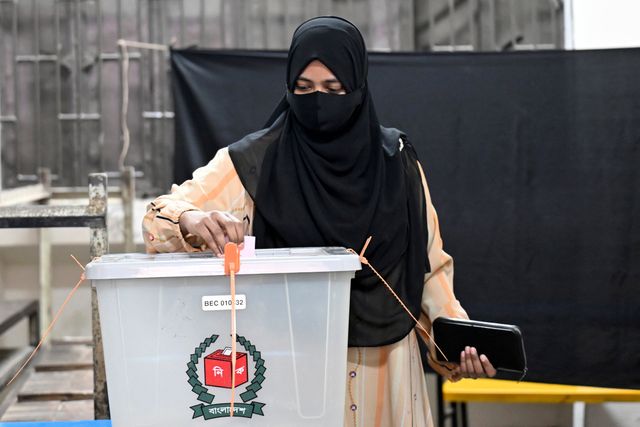
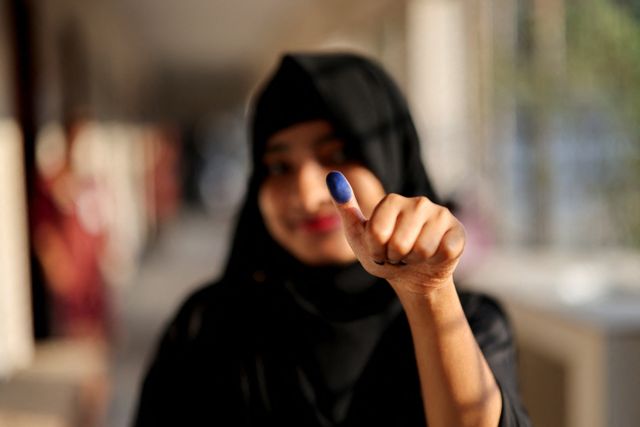
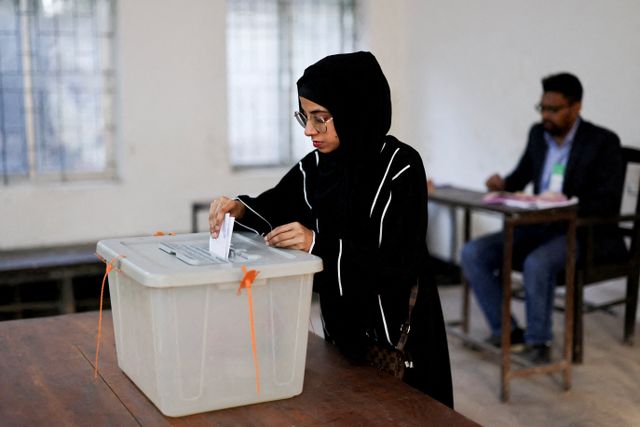
7:48 GMT: Voting is currently underway in Bangladesh’s general election, with polling stations open across the country as citizens continue to cast their ballots.
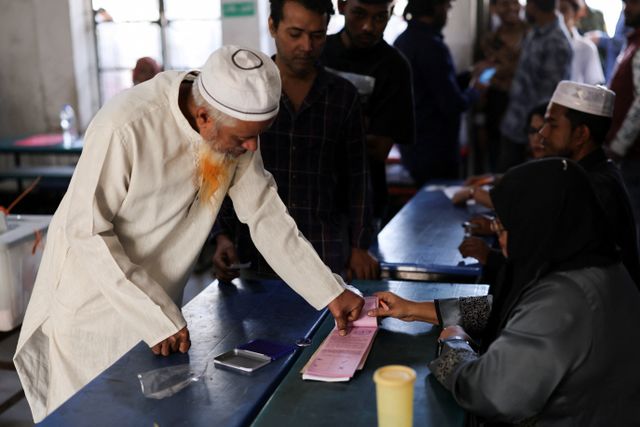
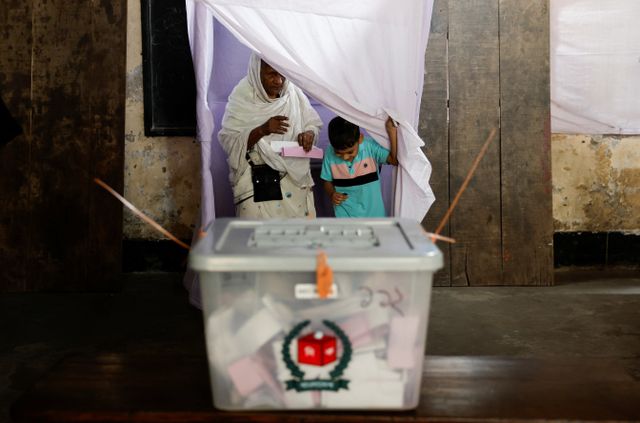
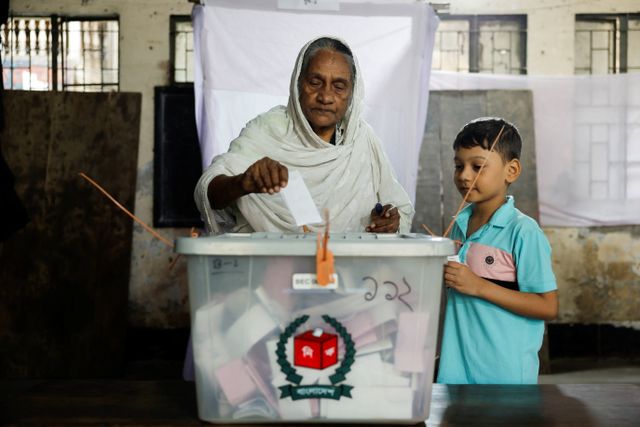
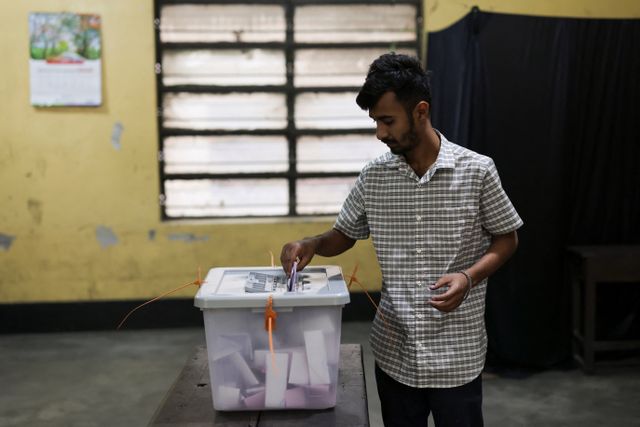
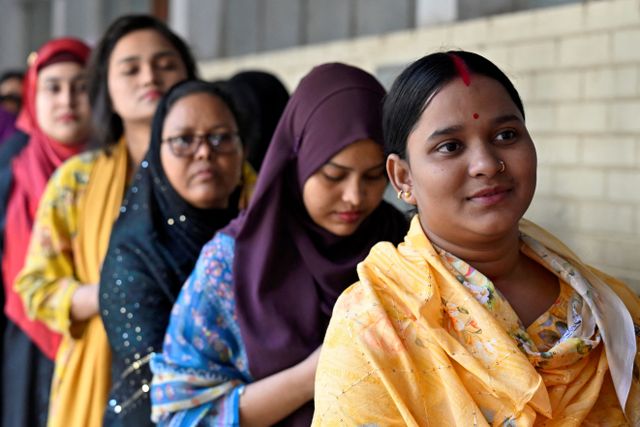
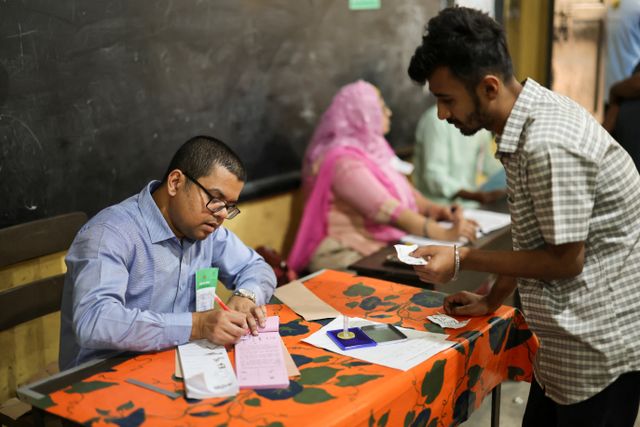
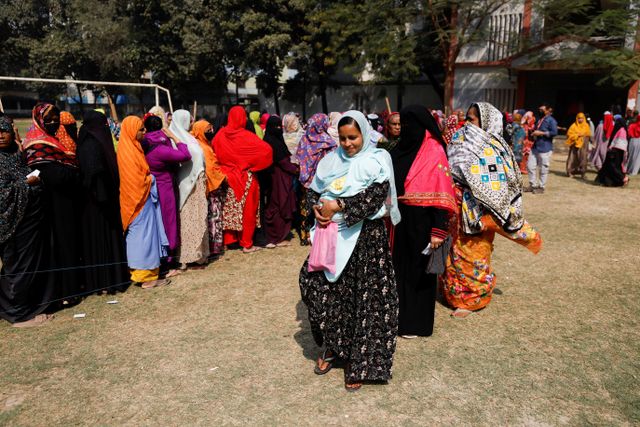
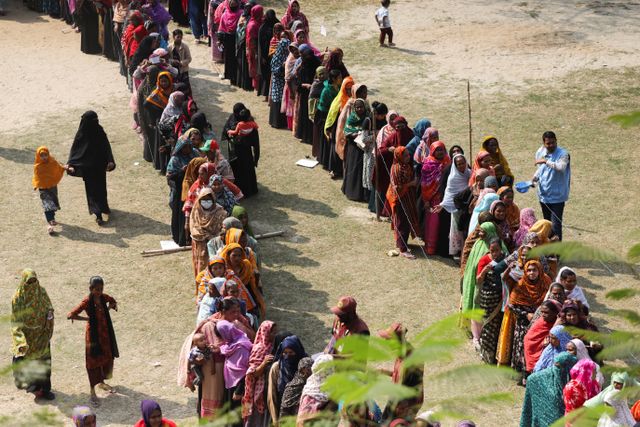
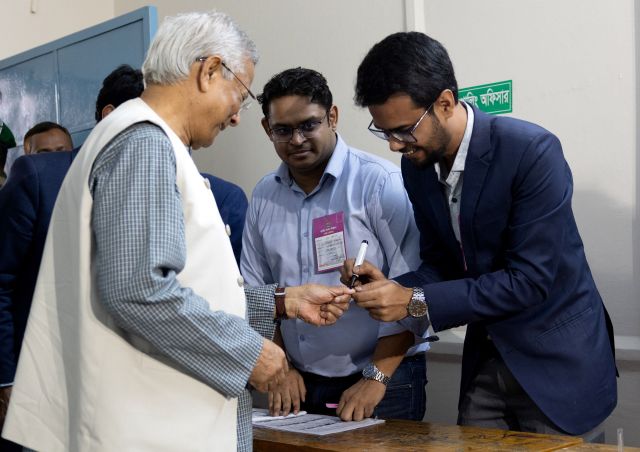
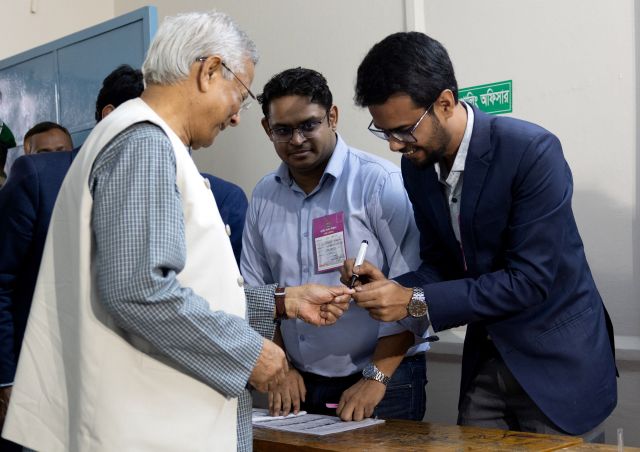
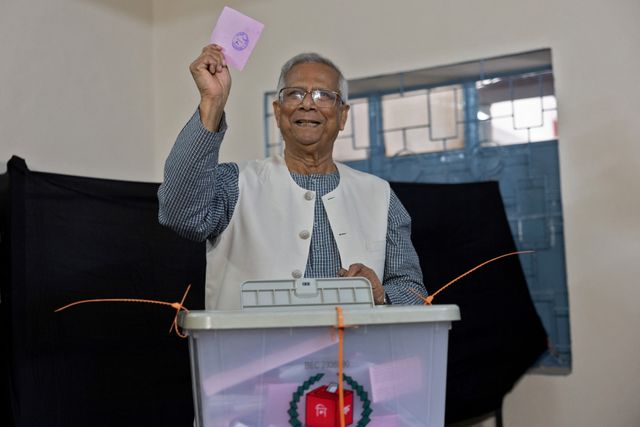
7:44 GMT: Chief Adviser Professor Muhammad Yunus cast his ballot in the 13th general election and referendum on the July National Charter at the Gulshan Model School and College centre in Dhaka.
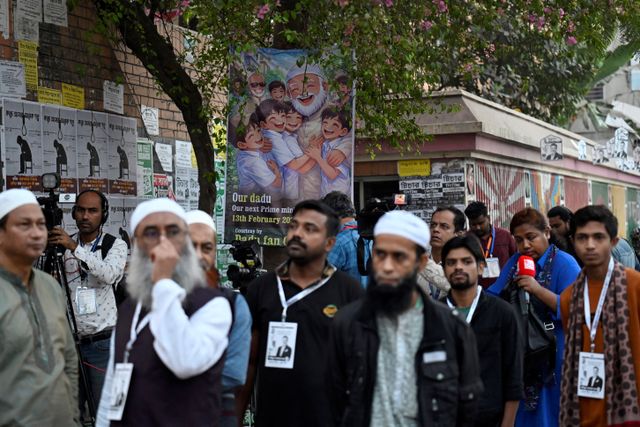
7:38 GMT: Around 540 foreign observers and journalists from major global organisations and media outlets, including BBC, Reuters, AP, Al Jazeera English, the European Union delegation, the Commonwealth Secretariat, ANFREL, IRI, among others, are monitoring the elections across the country.
5:20 GMT: BNP Chairman Tarique Rahman said the moment was long anticipated as he cast his ballot in Bangladesh’s defining 2026 general election. "People of Bangladesh have been waiting for this day," he said.
RECOMMENDED FOR YOU

Olympic flame arrives on African soil for first time as Senegal begins Dakar 2026 countdown
3:40 GMT: Tarique Rahman casts his vote in Bangladesh’s pivotal 13th parliamentary elections, marking a high-profile return to frontline politics for the BNP leader. The son of former prime minister Khaleda Zia voted at a Dhaka polling centre.
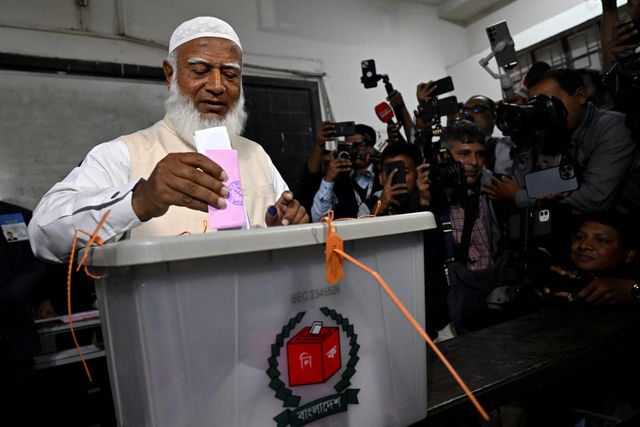
3:20 GMT: After casting his vote, Bangladesh Jamaat-e-Islami Ameer Shafiqur Rahman expressed hope that his party would establish a government genuinely selected by the people. “If the voting is held in a free and fair manner, we will accept the results. Others should also accept the verdict of the people,” he said.
2:50 GMT: Almost 1 million security personnel are on the ground today across Bangladesh, with surveillance cameras also installed in multiple sites to ensure the security of voters. These tight measures come as precincts remain “vulnerable to violence,” according to the electoral body.
2:30 GMT: Apart from the polls becoming the first to be held since Hasina was ousted, this year also marks the first time Bangladesh conducts a general election and a national referendum side by side. Thus, two ballots are used: white for the parliamentary elections and pink for the referendum.
1:50 GMT: While many voters are upbeat about the polls, considering it is the first to be held since the fall of the Hasina regime, some still express reservation over the shallow pool of candidates.
1:35GMT: Security is tight in Bangladesh, with reports from the ground indicating the deployment of striking teams to ensure voters can cast their ballots securely.
1:30 GMT: Voting opens in Bangladesh, in one of the most awaited and consequential polls for Asia in 2026, considering the size of the voting population and the political backdrop of the election.
RECOMMENDED FOR YOU
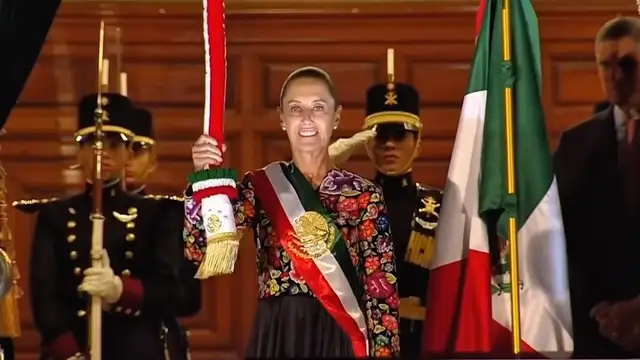
Sheinbaum rings historic bell as thousands fill Zocalo for Mexican Independence Day
Polls open at 7:30 a.m. (01:30 GMT) and close at 4:30 p.m. (10:30 GMT).
The Bangladesh Election Commission (BEC) extended the polling time by one hour overall—up from the previous 8:00 a.m. to 4:00 p.m. window—to accommodate the increased voting workload. This extra time is necessary because voters will be processing two separate ballots: a white ballot for the parliamentary election and a pink ballot for the national referendum.
Background
Bangladesh's 2026 elections mark the first vote since Sheikh Hasina’s ouster. An interim government will oversee the parliamentary polls and a national referendum on constitutional reforms. Key rivals include the BNP and Jamaat-e-Islami, while the Awami League remains barred.
How many voters are eligible?
A final voter list released by the Election Commission of Bangladesh indicates that approximately 127.7 million eligible citizens will participate in this election. Of these voters:
- About 64.8 million are male
- 62.9 million are female,
- Around 1,220 are registered as third-gender voters.
This is one of the largest electorates in South Asia. Many voters are also participating for the first time, including millions who turned 18 since the last election.
How many parties are contesting?
Candidates are contesting across 299 constituencies (after one constituency election was cancelled due to a candidate’s death). At least 51 political parties are participating, alongside independent candidates.
Major political players in this election include:
- The Bangladesh Nationalist Party (BNP) has fielded the largest share of candidates.
- Islami Andolon Bangladesh and Bangladesh Jamaat-e-Islami, both of which are contesting significant numbers of seats.
- Other parties, such as Jatiya Party and the National Citizen Party (NCP), also have candidates in the race.
Electoral system and process
Voters are casting ballots in the 13th National Parliamentary Election (Jatiya Sangsad) to elect members of parliament. Alongside the general election, a national referendum on political reforms, covering issues like executive limits and governance accountability, is also being held.
RECOMMENDED FOR YOU

Russia signs BRICS Pay and technology deals in New Delhi
Bangladesh uses a first-past-the-post (FPTP) electoral system. Each of the 300 seats in parliament is contested in a single-member constituency: the candidate with the most votes in each wins the seat. After the election, 50 additional seats are reserved for women and allocated to parties based on their share of the elected seats, in line with constitutional provisions.
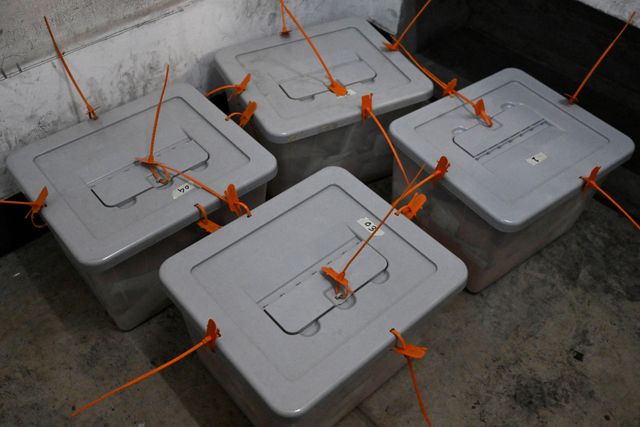
Polling is taking place simultaneously nationwide from 7:30 a.m. to 4:30 p.m. on election day, with transparent ballot boxes used at each centre.
Polling stations and logistics
The Election Commission has finalised over 42,700 polling centres across the country, each serving roughly 3,000 voters on average. In total, there are more than 247,000 polling booths staffed by thousands of electoral officials to ensure the voting process runs smoothly.
For the first time, Bangladesh has introduced a digital postal voting platform (“Postal Vote BD” app) to facilitate voting by citizens living abroad, government officials on duty outside the country, and others eligible for postal ballots
When will results be announced?
Counting of votes typically begins soon after polling stations close at 4:30 p.m. on election day. Preliminary results are expected to begin emerging later that evening and may continue into the early hours of the following day.
The official and full results are usually announced over the next 24–48 hours as constituencies report in. (This pattern reflects recent practice in Bangladeshi elections; specific times are set by the Election Commission.
Absence of Awami League
Following the ouster of Sheikh Hasina in 2024, the party's registration and electoral activities were suspended. The party has been banned from all political activities and will not participate in the upcoming elections under its electoral symbol.
The absence of the Awami League—historically one of Bangladesh's largest and most influential political parties—is considered a highly significant shift in the country's political landscape. Experts note that a central challenge for the next government will be determining the future of the party and how long the substantial segment of the electorate aligned with it can remain politically excluded.
RECOMMENDED FOR YOU
U.S. gas prices surge since Iran war, with Iowa up nearly 70%
Brief history of elections in Bangladesh
The country’s first general election was held on 7 March 1973, just two years after independence, with the Awami League winning an overwhelming majority of seats in the new national parliament, the Jatiya Sangsad. That election helped establish the foundations of parliamentary democracy in the young nation.
A key turning point came with the 1991 general election, widely viewed as a return from military rule to civilian parliamentary democracy. That election brought the Bangladesh Nationalist Party (BNP) to power and established a pattern of alternating rule between BNP and the Awami League, which would shape politics into the 2000s.
The January 2024 election, held under Hasina’s administration, saw the Awami League win a large majority amid low turnout and a boycott by major opposition parties. This period culminated in nationwide protests and unrest that ultimately led to her removal from power later that year.
Now, the 2026 election is the first major vote after the end of long-term dominance by a single leader and in a political environment shaped by mass protest, calls for reform, and efforts to strengthen democratic legitimacy.
This story is written and edited by the Global South World team, you can contact us here.