Blinken tells Israel escalation will make civilian return more difficult
- #Overseas Development Aid
- #Americas
- #Asia
- #Pacific
- #Conflicts
- #War
- #Peace
- #Defense
- #Diplomacy
- #Foreign Policy
- #Europe
- #Middle East and Africa
- #Emerging Market Countries
- #Aid Relief
- #Humanitarian Agencies
- #Middle East
- #North America
- #Non-Governmental Organizations
- #government
- #Politics
- #US President
- #International
- #National Security
- #South-West Asia
- #Military Conflicts
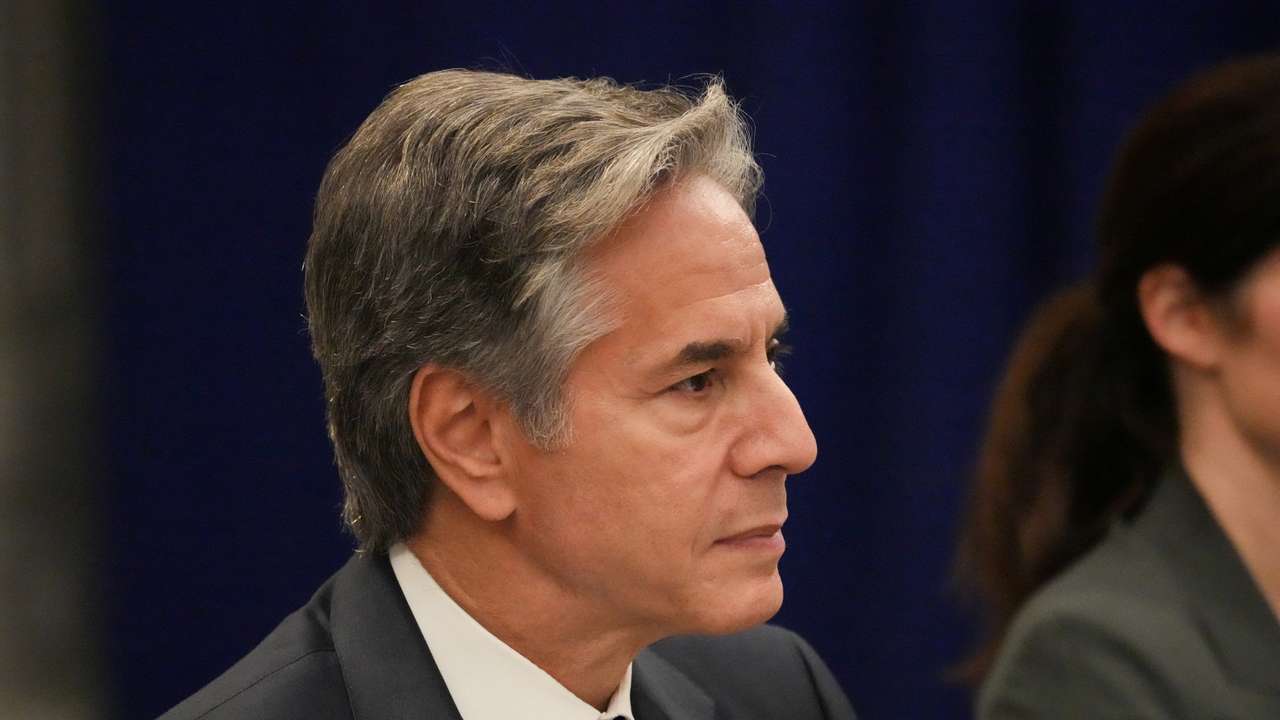
Blinken tells Israel escalation will make civilian return more difficult
By Kanishka Singh
U.S. Secretary of State Antony Blinken told Israel on Thursday that further escalation to the conflict involving Lebanon will only make it harder for civilians to return home on both sides of the border, the State Department said.
Israel rejected global calls on Thursday for a ceasefire with the Hezbollah movement, defying its biggest ally in Washington and pressing ahead with strikes that have killed hundreds in Lebanon and heightened fears of an all-out regional war.
RECOMMENDED FOR YOU

Six countries account for three-quarters of Europe’s unicorn startups
Despite Israel's stance, the U.S. and France sought to keep prospects alive for an immediate 21-day truce they proposed on Wednesday, and said negotiations continued, including on the sidelines of a United Nations meeting in New York.
"The Secretary discussed the importance of reaching an agreement on the 21 day ceasefire across the Israel-Lebanon border," the State Department said in a statement referring to talks between Blinken and Israeli Minister for Strategic Affairs Ron Dermer.
"He underscored that further escalation of the conflict will only make that objective (of civilian return) more difficult."
The State Department added that Blinken also discussed efforts to reach a ceasefire in Gaza and steps that Israel needs to take to improve delivery of humanitarian assistance in the enclave where nearly the entire 2.3 million population is displaced and a hunger crisis exists.
U.S. President Joe Biden laid out a three-phase ceasefire proposal for Gaza on May 31 but the deal has run into obstacles, mostly over Israeli demands to maintain presence in the Philadelphi corridor on Gaza's border with Egypt and specifics about exchanges of Israeli hostages and Palestinian prisoners.
Washington has faced mounting global and domestic criticism over its backing of Israel amid the escalation of conflict in Lebanon, where Israeli strikes have killed hundreds in recent days.
Critics say Washington has not leveraged its assistance to pressure Israel into accepting ceasefire calls. Israeli Prime Minister Benjamin Netanyahu is due to address the United Nations General Assembly on Friday.
The latest bloodshed in the decades old Israeli-Palestinian conflict was triggered on Oct. 7 when Palestinian Hamas militants attacked Israel, killing 1,200 and taking about 250 hostages, according to Israeli tallies. Israel's subequent military assault on Gaza has killed over 41,000, according to Palestinian health authorities.
RECOMMENDED FOR YOU

Olympic flame arrives on African soil for first time as Senegal begins Dakar 2026 countdown
This article was produced by Reuters news agency. It has not been edited by Global South World.