Brazil's electoral court threatens Meta with US$198,000 daily fine over election content
Brazil's Superior Electoral Court (TSE) has given Meta 24 hours to prove that it is treating the presidential campaigns of Luiz Inácio Lula da Silva and Flávio Bolsonaro equally on its platforms, warning that the company's daily fine could rise to US$198,000.
The decision, issued by Justice Marco Aurélio Bellizze on Sunday, 18 October, gives Meta a new deadline to demonstrate compliance with court orders on the distribution of political content and electoral advertising. The company faces a daily fine of R$1 million (approximately US$198,000) if it fails to prove that it has fully complied with the measures, up from the previous R$500,000 (around US$99,000). The deadline comes less than a week before Brazil's presidential run-off on 25 October.
The dispute began after Lula's campaign accused Meta, which owns Facebook, Instagram and WhatsApp, of restricting the reach of its political content and limiting its ability to promote posts. The campaign also raised concerns after tests suggested that Meta AI generated election-related images for Flávio Bolsonaro but refused similar requests involving Lula.
On 15 October, Brazil's Superior Electoral Court (TSE) ordered Meta not to reduce the distribution of posts related to presidential candidates, block recommendations or restrict search results. The decision also required equal treatment for both campaigns and established a daily fine of R$500,000 (approximately US$99,000) for non-compliance
The following day, the court confirmed the order, which included measures to prevent unequal treatment of the candidates' content during the final stage of the campaign. Meta said it had temporarily prohibited recommendations of candidates and the generation of images of them in line with Brazilian electoral rules.
RECOMMENDED FOR YOU
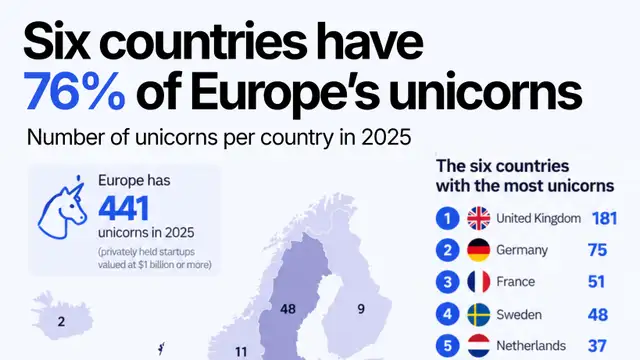
Six countries account for three-quarters of Europe’s unicorn startups
However, the court later found the company's explanations insufficient. On 18 October, Bellizze gave Meta 24 hours to provide clear reports in Portuguese detailing the measures it had taken and distinguishing those required by the court from those introduced by the company itself.
Meta has denied political bias, attributing the issues identified on its platforms to technical problems. The court's proceedings concern the platform's handling and distribution of electoral content, rather than the legality of the candidates' own campaign messages.
With the run-off scheduled for 25 October, the case has brought renewed attention to the role of social media platforms and artificial intelligence in Brazil's electoral process.
For more information, read the full article on Global South World Brazil.
This story is written and edited by the Global South World team, you can contact us here.
