Brazil's new education law: what you need to know
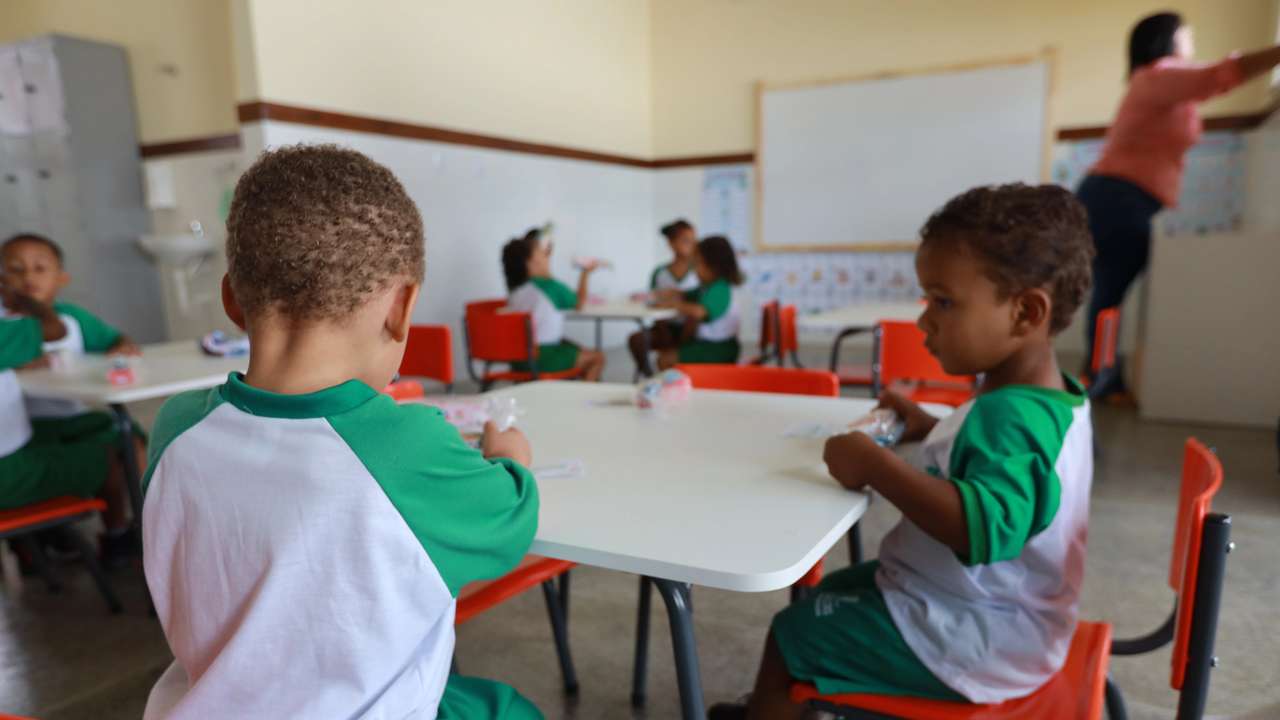
Brazil signed a new National Education Plan (PNE) into law on 14 April 2026. It sets the country's education priorities for the next decade — 19 objectives, 73 goals and 372 strategies covering everything from daycare places to university access. Here's what you need to know
Who signed it and why does that matter?
President Luiz Inácio Lula da Silva signed it at the Planalto Palace after two years of public consultations, a National Education Conference, and votes in both houses of Congress. The fact that it passed at all is significant. Brazil has had a PNE before — the previous one ran from 2014 to 2024 — but it missed most of its targets. This version is designed with tighter accountability built in.
What's the headline commitment?
RECOMMENDED FOR YOU
US Senate election 2026: Democrats lead in seven closely contested races as control hangs in balance
Money. Brazil currently spends around 5.5% of GDP on education. The new law commits to 7.5% within seven years and 10% within a decade. If it gets there, Brazil would be spending more on education as a share of its economy than almost any country in the world.
Has Brazil made promises like this before?
Yes. The previous PNE also set ambitious spending targets and fell short. That's the tension at the heart of this law: the goals are bold, but Brazil's federal system — where states and municipalities control much of what actually happens in classrooms — makes implementation hard to enforce. Every state and municipality now has to draft its own ten-year plan in line with the national framework. Progress will be reviewed every two years by the national education research institute, INEP.
What does it say about inequality?
Quite a lot. The plan specifically targets Indigenous, quilombola and rural communities — groups where girls face overlapping barriers of poverty, racism and geography. It reinforces the existing legal requirement to teach Afro-Brazilian and Indigenous history in schools. And it requires education networks to monitor and close performance gaps between different social groups, not just report on national averages.
What does it mean for early years?
This is one of the areas Brazil most needs to act. The new IBGE data published last week shows that in the North, 44.5% of children aged 2-3 who are out of daycare simply have no daycare available near them. The PNE sets targets to expand provision, but the Northeast and North — where the need is greatest — are also where municipal budgets are thinnest.
So is this good news?
RECOMMENDED FOR YOU

Lula accuses Bolsonaro of bowing to US interests ahead of Brazil run-off
On paper, yes. Brazil's illiteracy rate just dropped below 5% for the first time — a genuine milestone. Enrollment is near-universal for primary-age children. The PNE builds on real progress. But the previous plan improved access and still missed most of its targets. The test of this law is not what it says. It's whether the money materialises and whether the most underserved communities — in the Northeast, in Indigenous territories, in the favelas — feel the difference in a classroom.Main image: DepositPhotos.com
This story is written and edited by the Global South World team, you can contact us here.