China pledges to shoulder childbirth medical costs by 2026
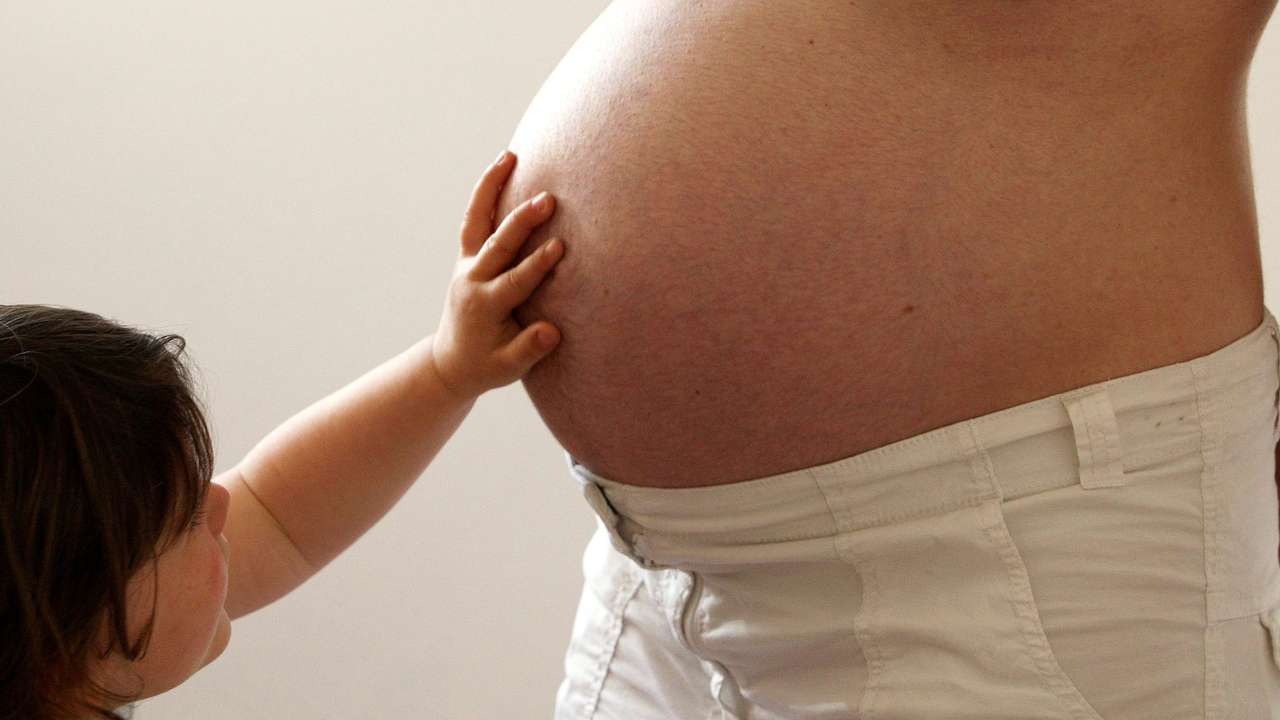
China plans to make childbirth essentially free for parents covered by national medical insurance by 2026, as authorities intensify efforts to address a prolonged population decline, according to state-run news agency Xinhua.
The policy direction was announced at a national healthcare security conference in Beijing on Saturday, where officials outlined steps to sharply reduce, and in most cases eliminate, out-of-pocket payments for childbirth-related medical services under existing insurance schemes.
According to the National Healthcare Security Administration (NHSA), the government will gradually increase reimbursement levels for prenatal check-ups while ensuring that the basic costs of delivery are fully covered nationwide.
Zhang Ke, party secretary and director of the NHSA, said the goal is to achieve “basically zero” personal payments for childbirth expenses that fall within the medical insurance catalogue, starting next year.
The aim is that insured women will not need to pay for standard inpatient delivery services within policy limits.
RECOMMENDED FOR YOU

Six countries account for three-quarters of Europe’s unicorn startups
Seven provincial-level areas, including Jilin, Jiangsu and Shandong, have already implemented full reimbursement for in-hospital childbirth medical costs covered by policy, effectively removing personal financial burdens for standard deliveries.
Officials stressed that the commitment applies to basic medical services. Expenses incurred at premium-priced hospitals, or for drugs and medical materials outside the insurance catalogue, will remain the responsibility of individuals.
The NHSA also plans to expand maternity insurance coverage to include flexible workers, migrant workers and people in new forms of employment, reflecting changes in China’s labour market and employment patterns, according to Xinhua.
At present, China’s maternity insurance covers around 255 million people. Authorities view broader eligibility as a key lever to support family formation, particularly among younger urban workers who often lack stable employer-based benefits.
Zhang said the insurance system will be adjusted to align more closely with the country’s population development strategy, including the inclusion of eligible labour analgesia services in insurance payments and the continued promotion of full reimbursement for policy-covered maternity costs.
Beyond childbirth, the government is also advancing reforms to medical insurance payment mechanisms and long-term care insurance, while encouraging commercial insurers to develop supplementary products, according to Xinhua.
The measures come as China grapples with a shrinking and ageing population, with policymakers increasingly turning to fiscal and social policy tools to lower the cost of having children and stabilise long-term demographic trends.
RECOMMENDED FOR YOU

Olympic flame arrives on African soil for first time as Senegal begins Dakar 2026 countdown
This story is written and edited by the Global South World team, you can contact us here.