Costa Rica’s presidential race: Candidates and key proposals
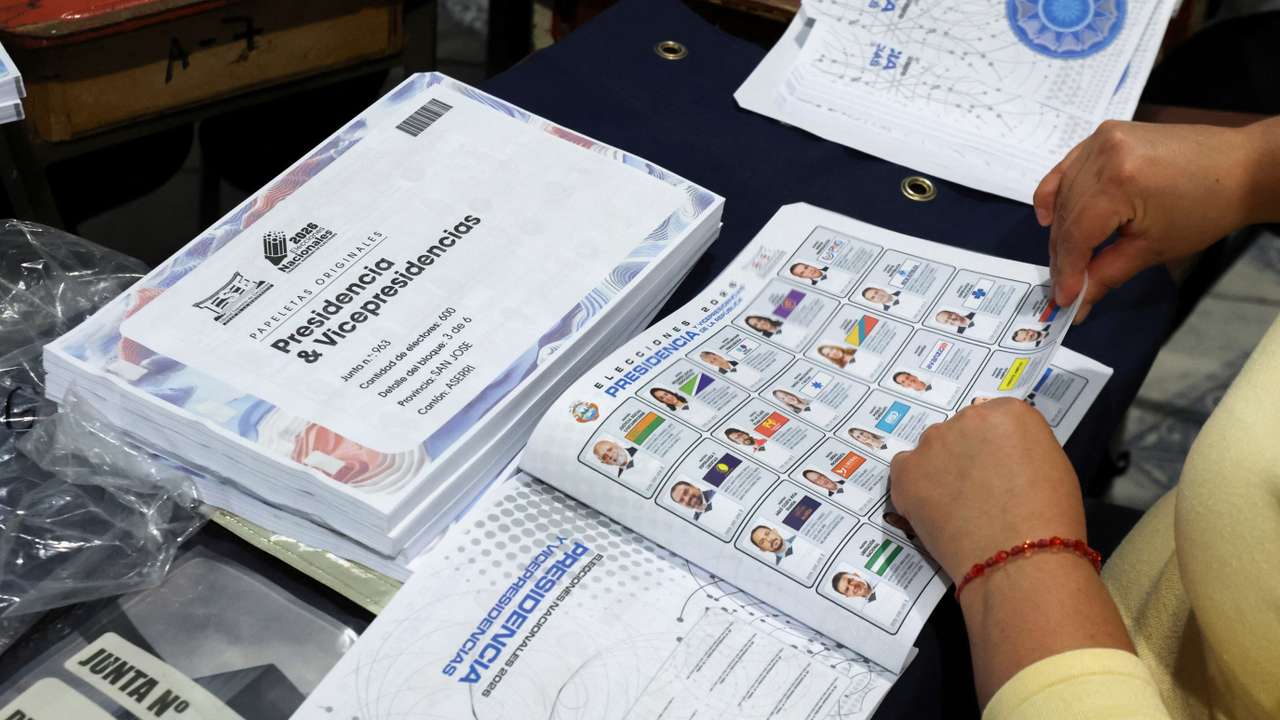
Costa Rica’s presidential election on 1 February 2026 is shaping up as a contest defined by significant voter indecision, with polls showing that a large proportion of the electorate has yet to make up its mind.
Despite this, recent surveys place Laura Fernández of the Sovereign People’s Party (PPSO) in the lead, polling near the 40 per cent threshold needed to win outright in the first round, while several opposition figures lag behind amid a crowded field of candidates.
Fernández’s platform emphasises continuity of President Rodrigo Chaves’s policies, including a tough stance on organised crime, bolstering national security and justice systems, and measures to attract foreign investment and modernise infrastructure. She has proposed stronger territorial control, support for the extradition of serious criminals, and improvements to logistics and public spending efficiency.
Alongside Fernández, Álvaro Ramos represents the National Liberation Party (PLN), one of Costa Rica’s traditional parties. An economist and experienced public administrator, Ramos has pitched his campaign around security reform and public services. His proposals include a “smart-security nerve centre” using technology to prevent crime, the recruitment of additional police officers, and initiatives to strengthen the healthcare and social security system, including community mental health centres. Ramos also seeks to modernise the legal framework to support public-private partnerships and sustainable economic activities.
On the centre‑left and progressive side, Ariel Robles of the Broad Front (Frente Amplio) focuses on equity, justice and social solidarity. His platform highlights policies to reduce inequality, expand access to quality education, and promote environmental sustainability integrated with urban and rural development. Robles seeks to mobilise voters looking for structural change and greater social protections.
RECOMMENDED FOR YOU
‘Not a licence for impunity’ - Colombia allows police intervention at universities
Former first lady Claudia Dobles, of the Citizen Agenda Coalition (CAC), has also been a visible candidate, proposing increased education spending, technological modernisation of schools, and a National Police task force to bolster public security alongside cultural and community initiatives.
While Laura Fernández currently leads in polls and could secure a first‑round victory if she surpasses the required vote share, a large undecided bloc of voters remains, leaving the race open and unpredictable. Analysts note that fragmented support among opposition candidates and high levels of voter uncertainty could influence whether an outright win is possible or whether a runoff on 5 April will be needed.
This story is written and edited by the Global South World team, you can contact us here.