Countries without a single UNESCO Cultural Heritage Site
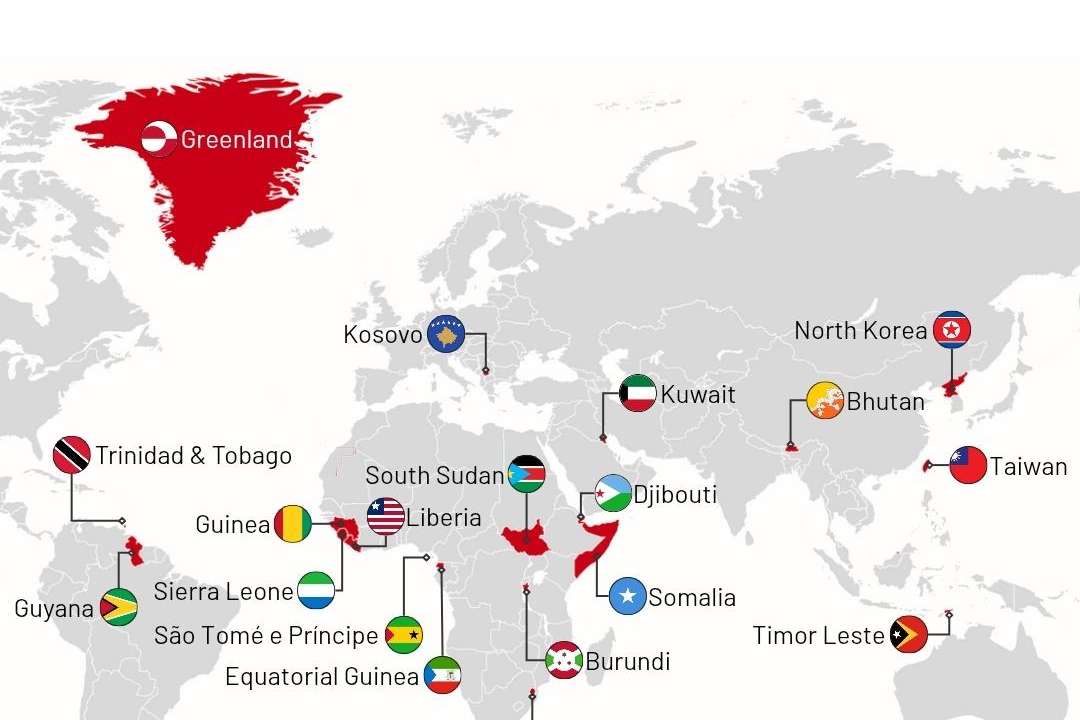
While UNESCO World Heritage Sites are globally recognised as symbols of cultural, historical, and natural importance, a surprising number of countries have yet to claim a single one.
A recent map created by Nazar in partnership with The World in Maps spotlights nations with zero UNESCO cultural heritage sites.
According to data from WorldAtlas, the following countries currently have no recognised cultural World Heritage Sites:
- Africa: Burundi, Eswatini, Equatorial Guinea, Guinea, Liberia, São Tomé and Príncipe, Sierra Leone, Somalia, South Sudan
- Asia: Bhutan, North Korea, Kuwait, Taiwan, Timor-Leste
- Europe: Kosovo
- Americas: Guyana, Trinidad and Tobago
- Middle East: Djibouti
- Arctic: Greenland (autonomous territory of Denmark)
It’s important to note that some of these countries have natural World Heritage Sites or are on UNESCO’s Tentative List, which is the first step toward official designation.
RECOMMENDED FOR YOU

GTA V dominates global search interest as Grand Theft Auto VI nears release
UNESCO defines cultural heritage sites as those that exhibit masterpieces of human creative genius, have evidence of cultural traditions and architectural marvels.
Additionally, the site must have Historical urban centres and sacred monuments.
Sites such as Machu Picchu in Peru, the Pyramids of Egypt, or Angkor Wat in Cambodia are prime examples of what qualifies.
Why do some countries have none?
There are several reasons why countries might lack UNESCO cultural sites, and these include:
- Lack of nomination: A country must actively nominate a site and provide detailed documentation.
- Conflict or instability: Nations like South Sudan, Somalia, and North Korea face internal challenges that deprioritise cultural diplomacy.
- Limited infrastructure: Some small nations lack the institutional or financial means to manage and protect heritage sites to UNESCO’s required standards.
- Political issues: For example, Taiwan is not a UN member state and thus is not eligible for UNESCO programs despite its rich cultural history.
- Autonomous or unrecognised territories: Places like Greenland and Kosovo may face hurdles due to political recognition or limited representation in international bodies.
This story is written and edited by the Global South World team, you can contact us here.