DRC must prioritise displaced persons in its Ebola response — Opinion
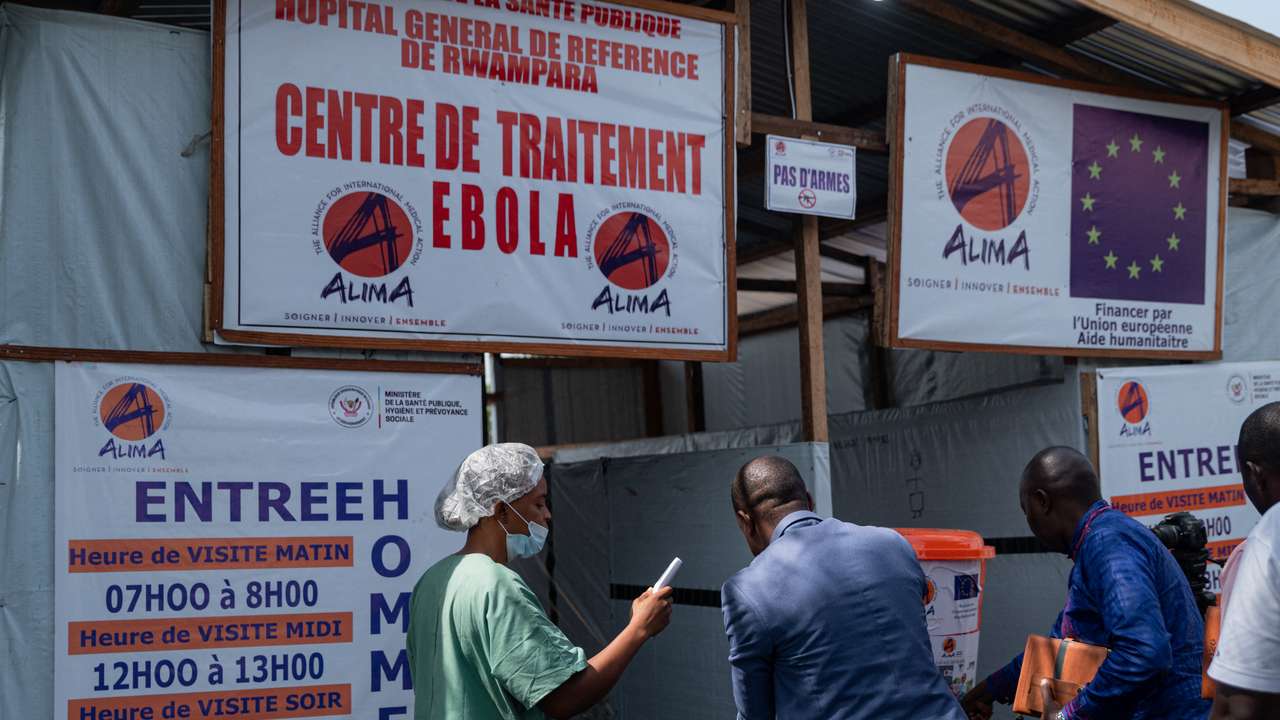
On May 17, the World Health Organisation declared the Ebola outbreak in the Democratic Republic of Congo a public health emergency of international concern.
With nearly 700 confirmed Ebola cases in the country, and close to 150 deaths, the rate at which the virus is spreading is deeply alarming.
Despite efforts by the DRC government to contain the infection rate, public apathy and limited resources have kept the numbers rising, pointing to the need for intensified sensitisation especially among rural and border communities.
The persistent conflict in the country’s North Kivu, South Kivu and Ituri provinces in the eastern region, where Ebola is more concentrated, is equally problematic. It accounts for continued displacement which not only facilitates virus spread but also hampers humanitarian effort.
In neighbouring Uganda, which has had to close its busy border with its Ebola-hit neighbour, cases have been relatively few. As of June 11, 19 cases and two deaths have been confirmed, including a suspected case involving a person who died. Uganda’s cases have mostly been imported.
RECOMMENDED FOR YOU
Six countries account for three-quarters of Europe’s unicorn startups
The severity of the current Budibugyo strain, which has no proven vaccines, adds fuel to the fire. “Transmission is particularly amplified in healthcare settings when infection prevention and control (IPC) measures are inadequate, and during unsafe burial practices involving direct contact with the deceased,” cautions WHO.
In a crisis of this magnitude, displaced persons are bound to become more vulnerable. For the millions of internally displaced persons scattered across crowded camps, the obvious possibility of infection is a nightmare they must contend with. This is particularly due to severe shortages of clean water, soap and space, among other essentials. Additionally, humanitarian aid cuts have crippled critical health services.
As such, it has become increasingly difficult to observe standard operating procedures such as regular hand washing, keeping a safe distance, and testing suspected cases.
This explains why a mother and her precious daughter from Kpangba camp recently succumbed. Reuters report that the cause of their death was confirmed only after their demise on May 31 and June 1, respectively. This worsens the fear among the over 30,000 IDPs living in the same settlement.
“We are all really worried that Ebola in these camps will spread extremely quickly and that there will be panic and people will flee all over whether or not they’re contacts, whether or not they’re ill,” warns Caitlin Brady, the country director for the Danish Refugee Council in Congo.
As scientists fast-track vaccines targeting the lethal Budibugyo virus strain, special attention must be focused on the plight of vulnerable groups, particularly displaced persons living in high-risk regions.
Combating a complex outbreak like Ebola requires a multifaceted response plan. While strengthening the healthcare infrastructure is vital, similar effort must be dedicated to the social and cultural aspects, like designing and disseminating the right messages to diverse audiences.
Strategic investment in innovative approaches could also help bridge accessibility gaps. For IDP camps, establishing and equipping mobile screening facilities and improving access to clean water and sanitation will go a long way in preventing further spread.
RECOMMENDED FOR YOU

Olympic flame arrives on African soil for first time as Senegal begins Dakar 2026 countdown
The article solely represents the views of Simpson Muhwezi, a Ugandan freelance writer and development practitioner.
