Egg prices surge worldwide as supply shocks push costs to record highs
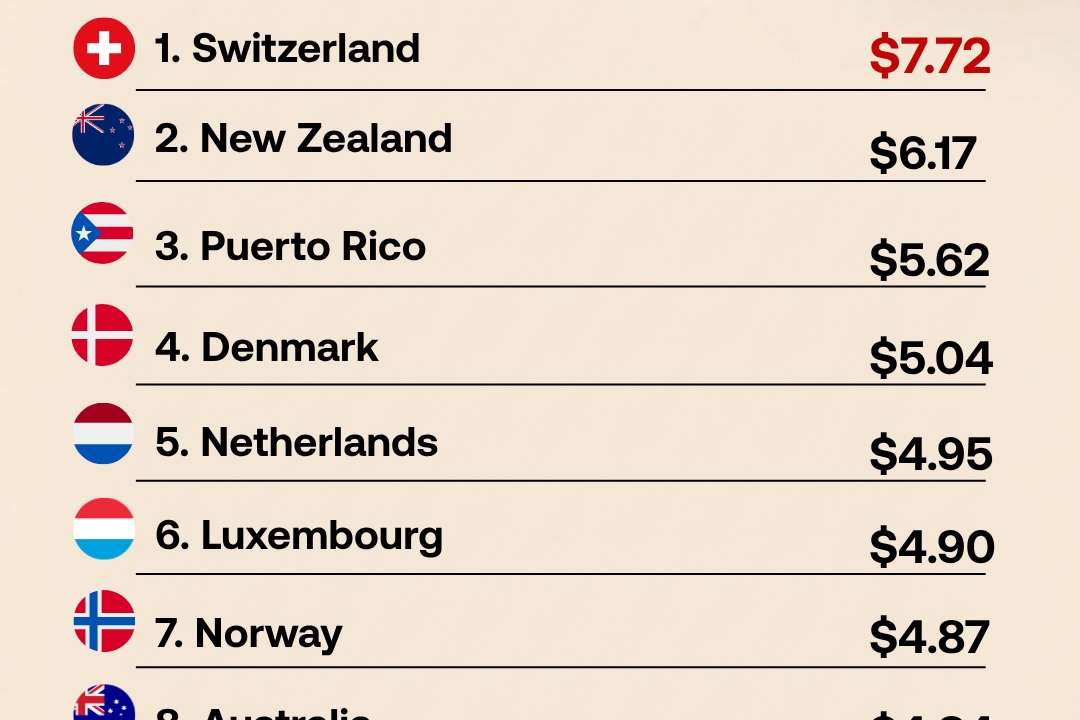
The global cost of eggs has climbed sharply, with Switzerland, New Zealand and parts of Europe topping the list of the most expensive markets, as supply disruptions and rising production costs continue to reshape one of the world’s most essential food staples.
The global cost of eggs has climbed sharply, with Switzerland, New Zealand and parts of Europe topping the list of the most expensive markets, as supply disruptions and rising production costs continue to reshape one of the world’s most essential food staples.
Recent data from Numbeo and GlobalProductPrices show that consumers in Switzerland now pay around $7.73 for a dozen large eggs, the highest globally, followed by New Zealand at roughly $6.19 and Puerto Rico at $5.64. Denmark, the Netherlands and Luxembourg also rank among the most expensive markets, reflecting broader cost pressures across high-income economies.
While European and developed markets dominate the top tier, prices in countries such as India, Pakistan and Nigeria remain below $2 per dozen, highlighting wide gaps in production costs, labour and purchasing power.
At the centre of the price spike is a prolonged outbreak of highly pathogenic avian influenza, commonly known as bird flu, which decimated poultry flocks worldwide in 2024 and 2025. Millions of egg-laying hens have been culled to contain the disease, sharply reducing supply and pushing prices higher.
RECOMMENDED FOR YOU

More than 6 billion people are now online as global internet access reaches new high
In the United States alone, egg supply fell by as much as 15–20% during peak outbreaks, contributing to price spikes that exceeded $6–$8 per dozen in some regions.
The economic mechanics are straightforward, as fewer hens mean fewer eggs, creating a supply deficit that drives prices upward in a market where demand remains relatively inelastic.
Beyond disease outbreaks, producers are grappling with escalating input costs. Feed prices, particularly for corn and soybean meal, along with higher energy, transport and labour costs, have significantly increased the cost of egg production globally.
Regulatory changes are also playing a role. In countries such as Switzerland and New Zealand, stricter animal welfare standards and transitions to cage-free farming systems have raised operational costs, which are ultimately passed on to consumers.
Faced with persistent volatility, producers are investing heavily in biosecurity measures and rebuilding flocks, though recovery remains slow because hens require time to mature and resume laying.
Exporters and importers, meanwhile, are adapting trade flows to stabilise supply. Governments in some countries are exploring increased egg imports and financial support for farmers to cushion the impact of shortages and price swings.
Retailers and food manufacturers have also adjusted, introducing purchase limits and reformulating products to reduce reliance on eggs amid elevated prices.