Elections without debates: Colombia’s recurring political strategy
As Colombia approaches a new presidential election, a familiar pattern is resurfacing: the absence, or avoidance, of traditional debates between candidates.
While democratic elections are often associated with public confrontation of ideas, Colombia’s current political moment suggests a different approach. Campaign strategies today increasingly prioritize direct communication with voters through rallies, public events, and mass outreach, rather than structured debates with opponents.
This is not a new phenomenon. Looking back two decades, media coverage at the time highlighted a similar stance from former president Álvaro Uribe, who chose to avoid debates framed by confrontation and personal attacks. His argument centred on maintaining a campaign tone free from aggression—both receiving and delivering it. Today, sectors aligned with figures like Senator Iván Cepeda echo comparable reasoning, emphasising direct engagement with citizens over participation in adversarial debate formats.
This ongoing discussion reflects what is happening today, as highlighted by Carolay Morales, a Colombian journalist from Global South Voices. She points out that some political sectors argue it is more effective to speak directly to people in public squares, mass events, and public tours, rather than engage in debates with opponents. This approach prioritises a direct connection with supporters, but also raises questions about the lack of spaces to confront ideas between candidates.
However, this strategy has long sparked criticism. Commentators have argued that bypassing debates transforms political communication into a one-directional exchange, where candidates speak to supporters rather than engage with competing ideas. As noted years ago by Alejandro Gaviria, this dynamic resembles a “preacher and followers” relationship, raising concerns about the lack of dialogue between equals. Without debates, opportunities to challenge proposals, clarify positions, and contrast visions for the country become limited.
RECOMMENDED FOR YOU
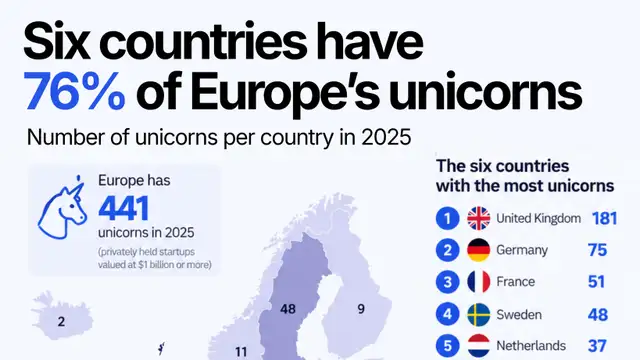
Six countries account for three-quarters of Europe’s unicorn startups
The persistence of this approach raises broader questions about democratic practice—not only in Colombia but globally. While campaign styles and political figures evolve, certain strategies remain unchanged. The current election cycle invites reflection on whether debates should be considered an essential component of democratic accountability, or simply one of many optional tools in modern political communication.
This story is written and edited by the Global South World team, you can contact us here.