Empowering Africa’s displaced can drive the continent’s development — Opinion
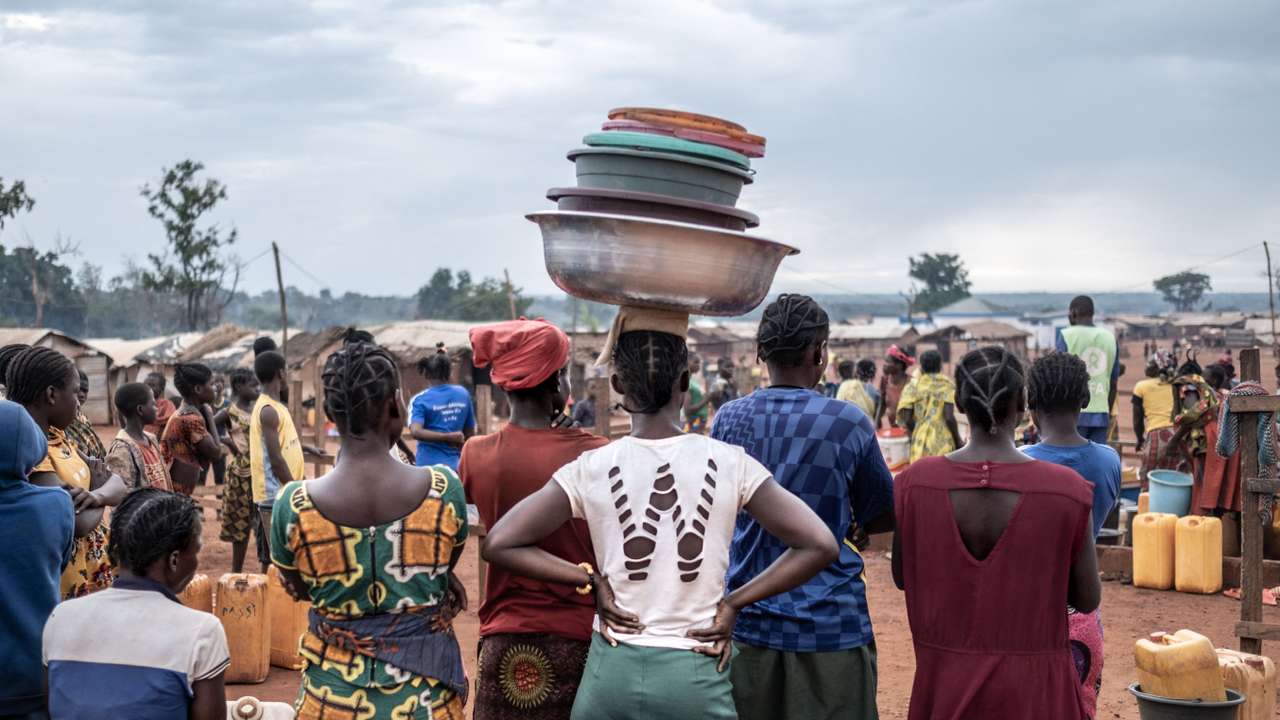
Africa’s displaced persons generate about $27 billion annually, according to a recent report.
This highlights the potential of a population that’s often excluded, in a continent facing an endless cycle of humanitarian crises.
It demonstrates the role of progressive policies that allow refugees and internally displaced people to actively participate, especially in commercial agriculture – feeding into local economies and livelihoods.
“Africa’s displaced communities are not waiting for rescue. They are running businesses, farming land, and moving goods across borders with almost none of the financial infrastructure available to everyone else. That gap is where the opportunity is,” argues Tito Mbathi, the head of partnerships at Amahoro Coalition, the organisation that launched the report in Kampala, last week.
Models such as Uganda’s, which offer refugees access to land and basic social services, matter more now. With aid cuts biting, the need for home-grown, locally mobilised solutions has never been clearer.
RECOMMENDED FOR YOU
Norway has Europe’s highest petrol prices, Russia and Belarus remain cheapest
Africa has one of the world’s worst displacement crises: close to 50 million people have been forcibly displaced from their homes and are majorly congested in camps, with limited access to clean drinking water, healthcare and education.
Yet, the rate of internal displacement in major conflict zones is ever surging. For instance, the Sudan civil war alone has displaced over 9 million. The conflicts in Nigeria and DRC account for 3.7 million and nearly 7 million, respectively. These vulnerable groups are increasingly exposed to severe deprivation and human rights violations.
The United Nations estimates that young people constitute at least half of Africa's refugee and internally displaced populations. This is problematic, considering that too many of these youth can't reach their full potential due to their limited access to basic services and economic opportunities.
Most spend their productive years in camps, unable to find meaningful work or build their livelihood. This poses a liability for the youngest continent in the world, whose young people should drive its economic development.
Needless to say, displaced persons, particularly women and children, are more susceptible to violence and trauma-exacerbating situations. The lack of mental health care resulting from budget shortfalls only worsens the predicament.
This explains why many young people in the camps experience severe mental distress and illnesses. Those who can’t recover cannot rebuild their lives. That’s how the continent loses its demographic dividends. The longer people stay in camps, the more their freedoms erode. And with that, their prospects shrink further.
“The list of the consequences of prolonged encampment is long, and includes material deprivation, psychosocial problems, violence, sexual exploitation, exploitative employment and resorting to negative coping mechanisms. Protracted refugee situations perpetuate poverty and underdevelopment because they inhibit freedom,” analysts observe.
African countries must rethink their humanitarian response by, for instance, empowering displaced people more. This begins with acknowledging that these are full human beings with potential and a right to be supported like everyone else.
RECOMMENDED FOR YOU

Senegalese protest rising cost of living in Dakar
Prioritisation goes beyond political statements. It means aligning national budgets and priorities with displaced communities' needs, deepening community engagement and including them in decision-making through appointing their leaders on district planning boards.
Africa’s displaced must be offered capital and other incentives to enable them to start businesses and fully participate in the economies of their host countries. This way, they actively contribute to improving their own livelihoods, cease being seen as a burden, and lessen the country’s reliance on humanitarian aid. Their skills and talents, if well leveraged, could bolster Africa’s leap towards self-reliance.
The article solely represents the views of Simpson Muhwezi, a Ugandan freelance writer and development practitioner.
