Ghana’s post-IMF path under scrutiny after new agreement
Ghana’s decision to enter a new agreement with the International Monetary Fund (IMF) after exiting its $3-billion bailout programme has reignited debate over whether countries can ever truly break free from the lender’s influence.
Earlier this year, the West African nation formally concluded its IMF support programme, which was introduced amid a severe economic crisis marked by soaring inflation, debt distress and a weakening currency.
It was an exit that was widely celebrated by Ghanaians, who viewed it as a step towards restoring economic independence after years of austerity measures and spending cuts tied to the bailout.
However, the government later confirmed it would adopt the IMF’s Policy Coordination Instrument (PCI), a non-lending arrangement designed to help countries maintain economic discipline and reassure investors.
The move has drawn mixed reactions from economists and commentators, some of whom argue that the PCI keeps Ghana tied to Washington-based financial oversight despite the absence of new loans.
RECOMMENDED FOR YOU
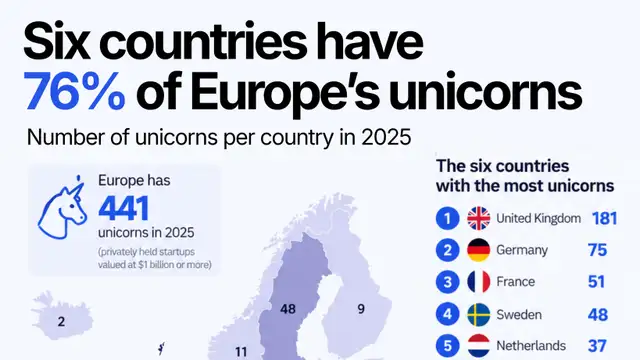
Six countries account for three-quarters of Europe’s unicorn startups
IMF programmes have been viewed as creating prolonged dependency among developing economies, particularly in Africa. Of the continent’s 54 countries, only a handful have never sought IMF assistance, while many have repeatedly returned for support during economic crises.
Supporters of the PCI, however, argue that the arrangement could help Ghana sustain fiscal reforms and strengthen investor confidence without accumulating additional debt.
This story is written and edited by the Global South World team, you can contact us here.
